Student Burnout: What It Is, What It Feels Like, and How to Recover
Feeling tired after a hard week is common. Burnout can feel deeper and last longer. You may feel worn down, detached from school, or less able to do your usual work.
If you feel like you are only going through the motions, it may be time to pause and ask for support. These signs can have more than one cause, so this guide cannot diagnose what you are feeling.
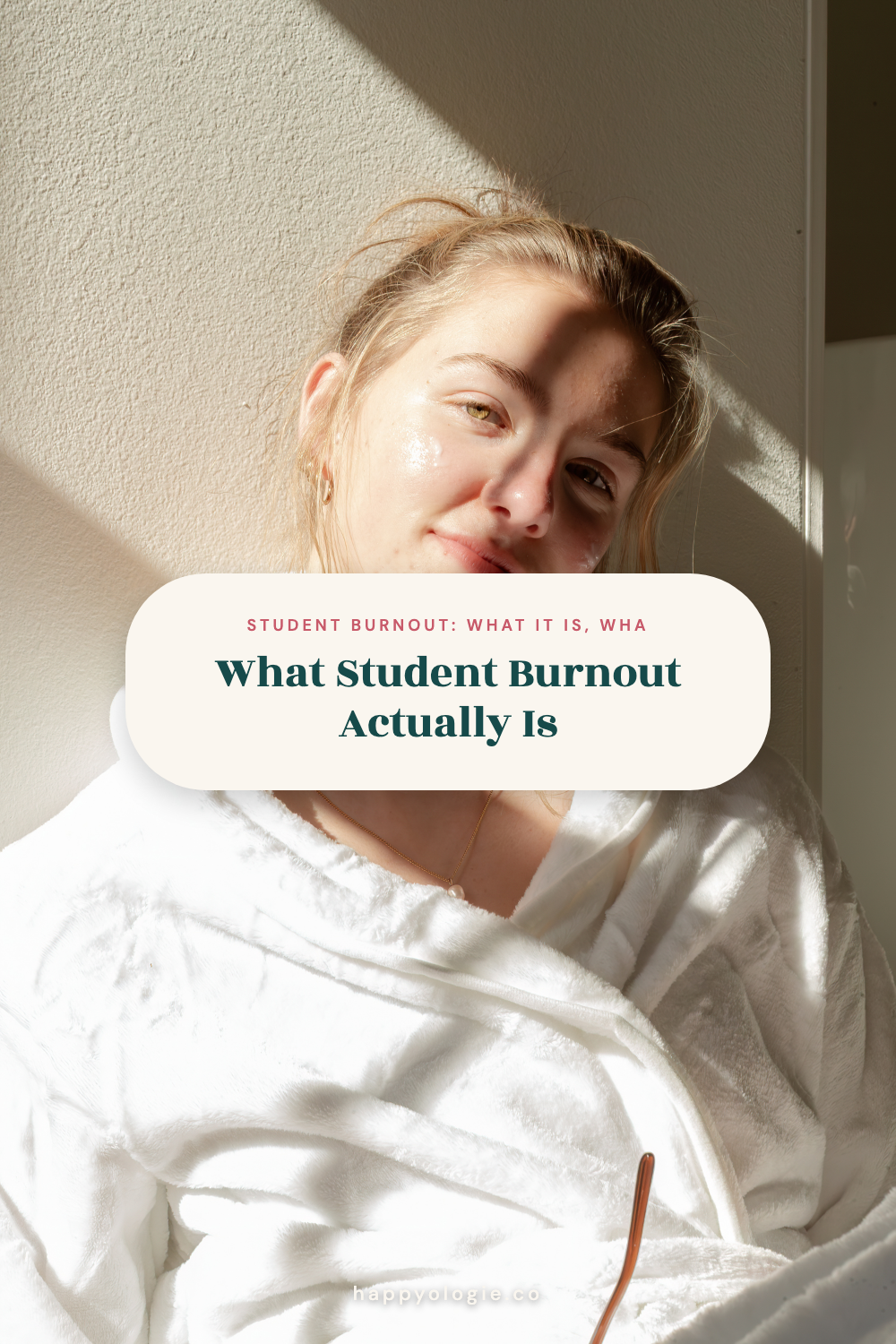
What Student Burnout Actually Is
Burnout is not a sign that you are weak. It is often linked with stress that lasts for a long time and feels hard to manage. It can affect your energy, focus, mood, and connection to your work.
Common signs may include deep exhaustion, distance from school, and the feeling that your work is not going well. These signs can affect how you see yourself, which is one reason support matters.
Signs You Are Burned Out (Not Just Tired)
Pay attention to how long the feeling lasts and whether normal rest helps. If you keep feeling exhausted or flat after time to rest, talk with a health or mental-health professional. Other health issues can cause similar signs.
Other signs may include trouble focusing, losing interest in things you enjoy, feeling numb, becoming more upset than usual, or struggling to begin schoolwork. One sign alone does not prove burnout. Look at the full pattern and ask for help when you need it.
If several signs last for weeks or make daily life hard, reach out to a qualified professional. You deserve help figuring out what is going on.
What Causes Student Burnout
Student stress can build from many things at once. Classes, exams, work, money, family needs, social stress, and too little time to rest can all add to the load.
Social media can also fill the quiet spaces between tasks. If scrolling makes you compare yourself or feel more tired, try a short break during your commute, between classes, or before bed.
Students who work, care for family, or manage health needs may carry extra stress. A hard season does not mean you failed at time management. It may mean you need more support or a lighter load where possible.
A new planner may not fix a load that is too heavy. Better planning can help with some tasks, but it cannot replace rest, support, and changes to the source of the stress.
How to Actually Recover From Student Burnout
There is no single recovery plan that fits everyone. Start with small changes, and get professional help when the symptoms are strong, lasting, or getting worse.
Reduce the load where you safely can. You might ask about an extension, pause an optional activity, or let one task be good enough instead of perfect. A teacher, adviser, supervisor, or family member may help you find a realistic change.
Protect a steady sleep routine as much as you can. Sleep needs vary, and ongoing exhaustion can have many causes. Talk with a health professional if sleep problems or fatigue continue.
Gentle movement or time outside may help you feel more grounded. Try a short walk, stretch, or another activity that is safe and comfortable for you. Movement is support, not a cure.
If you need time away, check your school or work rules and talk with the right person. A day off may help, but it may not solve a larger problem on its own.
Make room for one part of life that is not about grades. Call a friend, return to a hobby, visit a favorite place, or rest. You are more than what you produce.
A short journal check-in may help you notice how you feel and what you need. Keep it simple, and stop if writing makes you feel worse. Journaling is not a replacement for professional care.
What to Do If You Cannot Reduce the Load
Sometimes you cannot drop a class, leave a job, or pause a family duty. Focus on getting through the short term as safely as you can while asking what support is available.
Try to protect sleep, regular meals, short quiet breaks, and contact with someone you trust. Decide what “good enough” looks like for this season. If basic care is hard to manage, tell someone and seek professional help.
The overthinking post on Happyologie covers techniques for managing the mental noise that tends to accompany burnout. The self care day guide has ideas that work specifically for depleted days. And the habits post covers the small daily practices that make a real difference over time. They work less like a to-do list and more like a way of thinking about what sustains you.
When to Talk to Someone
Talk with a counselor, doctor, or other qualified professional if the symptoms are severe, lasting, or tied to depression, anxiety, or hopelessness. Check your school’s counseling page for cost, access, and referral details. If you may hurt yourself or are in immediate danger, contact local emergency services or a crisis line now.
When to take a mental health day and how to use it to actually recover
Self care day ideas for when you are depleted and need something that helps
How to use journaling to process what burnout is doing to your mental state