The Benefits of Flashcards for Learning (And How to Actually Use Them)
You made a whole stack of flashcards. Color coded, neat handwriting, the works. Then you flipped through them twice, felt like you knew everything, and walked into the test with a brain that had quietly deleted all of it.
If that sounds familiar, the flashcards were not the problem. The way they got used was. Flashcards are one of the most effective study tools there is, but only when you know what makes them work and how to actually study them. So let's talk about the real benefits of flashcards for learning, and then how to use them so the stuff sticks past the twenty minute mark.

The Real Benefits of Flashcards for Learning
Flashcards get recommended constantly, and it is not just because they are cheap and easy. There is actual memory science behind why they work, and knowing it helps you use them better.
The biggest benefit is active recall. Every time you look at the front of a card and try to pull the answer out of your own head before flipping it, you are forcing your brain to retrieve the information. That retrieval is what builds a strong memory. Rereading your notes feels productive, but it is your eyes doing the work, not your memory. Flashcards flip that. If you want the full breakdown of why this matters, here are some active recall study tips that actually make information stick.
The second benefit is one most people skip past. Making the cards is part of the learning. When you take a messy page of notes and decide what belongs on the front of a card and how to phrase the answer, you are processing the material, not just copying it. That is why premade decks never work as well as the ones you build yourself.
Flashcards are also portable in a way almost nothing else is. A stack of cards or an app on your phone means you can review in line at the coffee shop, on the bus, or in the ten minutes before class starts. Studying in small pockets throughout the day beats one long panicked session, and flashcards make those pockets usable.
And because you can shuffle them, flashcards naturally space out your practice. You are not seeing the same card in the same order every time, which keeps your brain from getting lazy and recognizing the pattern instead of the actual answer.
How To Make Flashcards That Are Worth Studying
A benefit only shows up if the cards are good. Most flashcards that do not work were built wrong, not studied wrong. Here is how to make ones that actually earn their place in your stack.
One question, one answer per card
Keep each card to a single focused idea. If the back of your card has three bullet points and a diagram, that is not a flashcard, that is a page. When a card holds one clear thing, your brain has a clean target to retrieve, and you actually know whether you got it or not.
Write the question in your own words
Copying a definition straight off a slide does almost nothing. Rephrasing it into a real question, the kind you would actually get asked, forces you to understand it first. That rewording is where a lot of the learning quietly happens.
Add a hook to the harder cards
For the cards that keep tripping you up, add a small memory hook. A weird association, a rhyme, a quick sketch, anything that gives your brain something to grab. It feels silly and it works, especially on the terms that refuse to stick.
How To Use Flashcards So They Stick
This is the part that separates flashcards that work from flashcards that just make you feel busy. Making the cards is step one. How you study them is where the benefit actually lands.
Start by sorting as you go. Split your cards into three piles while you review: got it, kind of, and did not know. Then spend most of your time on the last two piles. It is tempting to keep flipping through the cards you already know because it feels good, but that is not studying, that is a confidence boost.
Work in small batches. When the material is new, pull ten cards at a time instead of drowning in the whole deck. Get comfortable with those, then swap in the next ten. A giant stack all at once just teaches your brain to feel overwhelmed.
Mix subjects in one sitting. Studying a little bio, then some Spanish, then back to bio might feel messier than blocking each subject, but that switching is actually good for you. Your brain has to work to change gears, and that effort is part of what makes the memory hold.
Review often, in short sessions. Five minutes here and there over several days beats one long cram the night before, every single time. This is the whole idea behind the Leitner method, where you sort cards into boxes by how well you know them and review the easy ones less often and the hard ones more. You do not need a fancy system to use the concept. Just keep revisiting the cards you miss and back off the ones you have locked in.
If retention past test day is your real goal, it helps to pair flashcards with a few other tactics. Here is how to retain information when studying so it is still there a week later, not just for the quiz.
Physical Vs Digital Flashcards (When To Use Each)
Both work. The best one is the one you will actually use, but they do have different strengths.
Physical cards are great when you are first learning something. The act of writing them out is part of the benefit, and flipping real cards keeps you off your phone, which is a small miracle during a study session. The downside is they are easy to lose and annoying to carry in bulk.
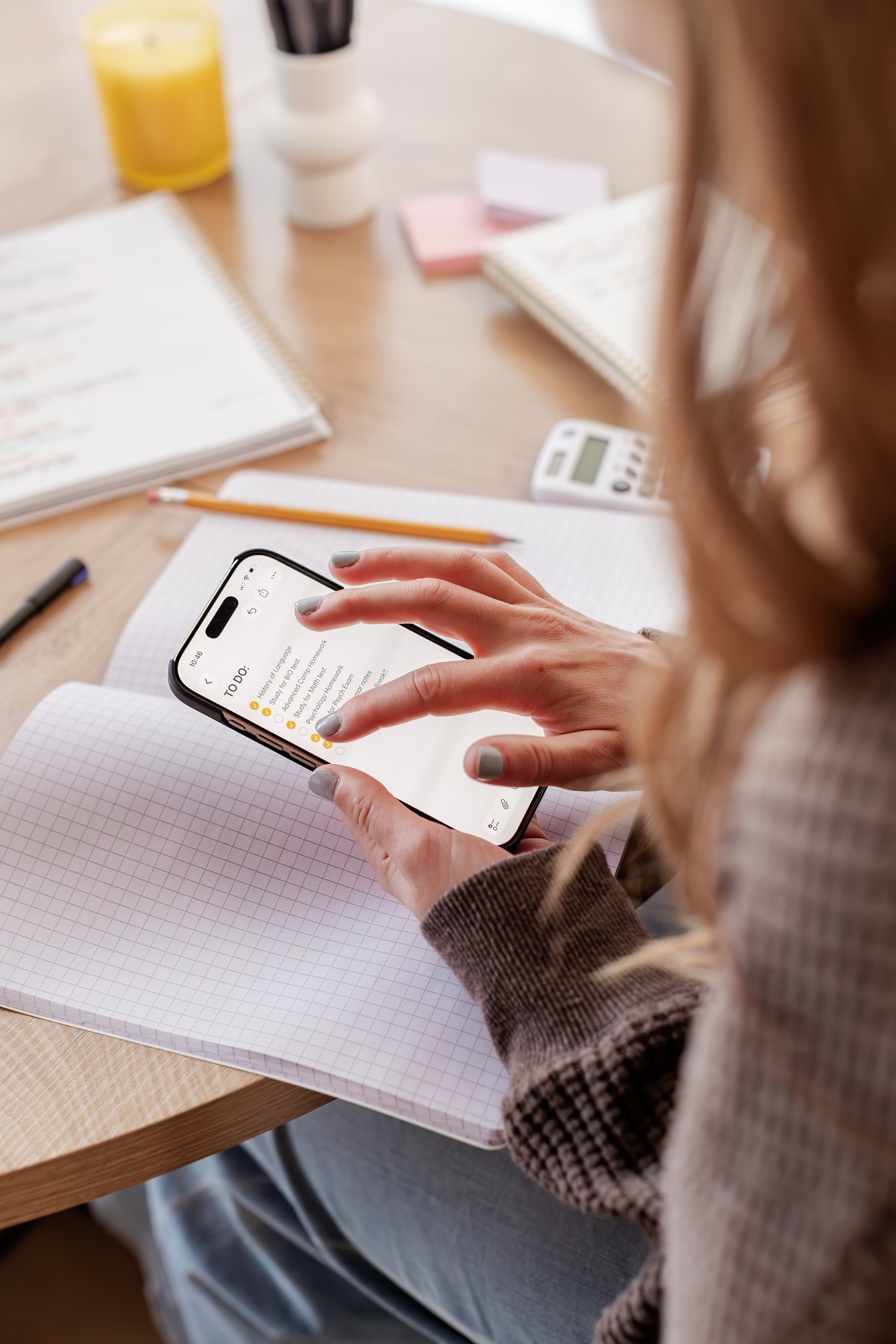
Digital flashcards win on convenience and features. They travel in your pocket, they can schedule your reviews for you, and many apps handle the spacing automatically so you do not have to think about it. The catch is your phone is also where every notification lives, so the same device that helps you study is the one begging you to stop.
A lot of students land on a mix. Handwrite the cards when the material is new so you get the making benefit, then move to an app for review so you can study anywhere.
The Best Flashcard Apps For Students
If you go digital, a few apps stand out. You do not need all of them, just the one that fits how you study.
Anki is the heavy hitter for long term retention. It uses spaced repetition to show you cards right before you are about to forget them, which is incredibly effective. It looks a little dated and takes a minute to set up, but nothing beats it for serious, long haul studying.
Quizlet is the popular pick for good reason. It is easy to use, you can find premade decks for almost anything, and the game style modes make review feel less like a chore. Just remember, premade decks skip the making benefit, so build your own when you can.
Brainscape is a solid middle ground. It has smart spaced repetition built in and a cleaner, friendlier setup than Anki, which makes it easier to stick with if Anki feels like too much.
Knowt is a good free option that turns your notes into flashcards and quizzes, which saves time when you are working from a big set of notes.
Canva and Notion are worth knowing about too. They are not flashcard apps exactly, but if you like custom, pretty cards or want everything living inside your notes system, both can do the job.

Common Flashcard Mistakes (And What To Do Instead)
A few habits quietly cancel out all the benefits. If your flashcards are not working, one of these is usually why.
Cramming too much on one card is the big one. Break it into smaller cards so each has a single clear answer. Only studying the cards you already know feels great and teaches you nothing new, so front load the pile you keep missing instead. Studying the deck in the same order every time lets your brain memorize the sequence rather than the material, so shuffle. And making the cards but never actually testing yourself with them, just reading front to back, skips the entire point. Cover the answer, guess first, then flip.
The Short Version
Flashcards work because they force active recall, because making them is its own kind of studying, and because they let you review in small spaced out pockets instead of one big cram. The benefit only shows up when the cards are good and you study the ones you do not know instead of the ones you do.
Build them yourself, keep them simple, sort as you go, and revisit the hard ones more than the easy ones. That is the whole thing. You do not need a perfect system or the fanciest app. You just need cards worth flipping and a little consistency.
You Might Also Like
Active recall study tips that actually make information stick
How to retain information when studying so it lasts a week later