Real Teacher Life with Hannah | Middle School Special Education Paraprofessional
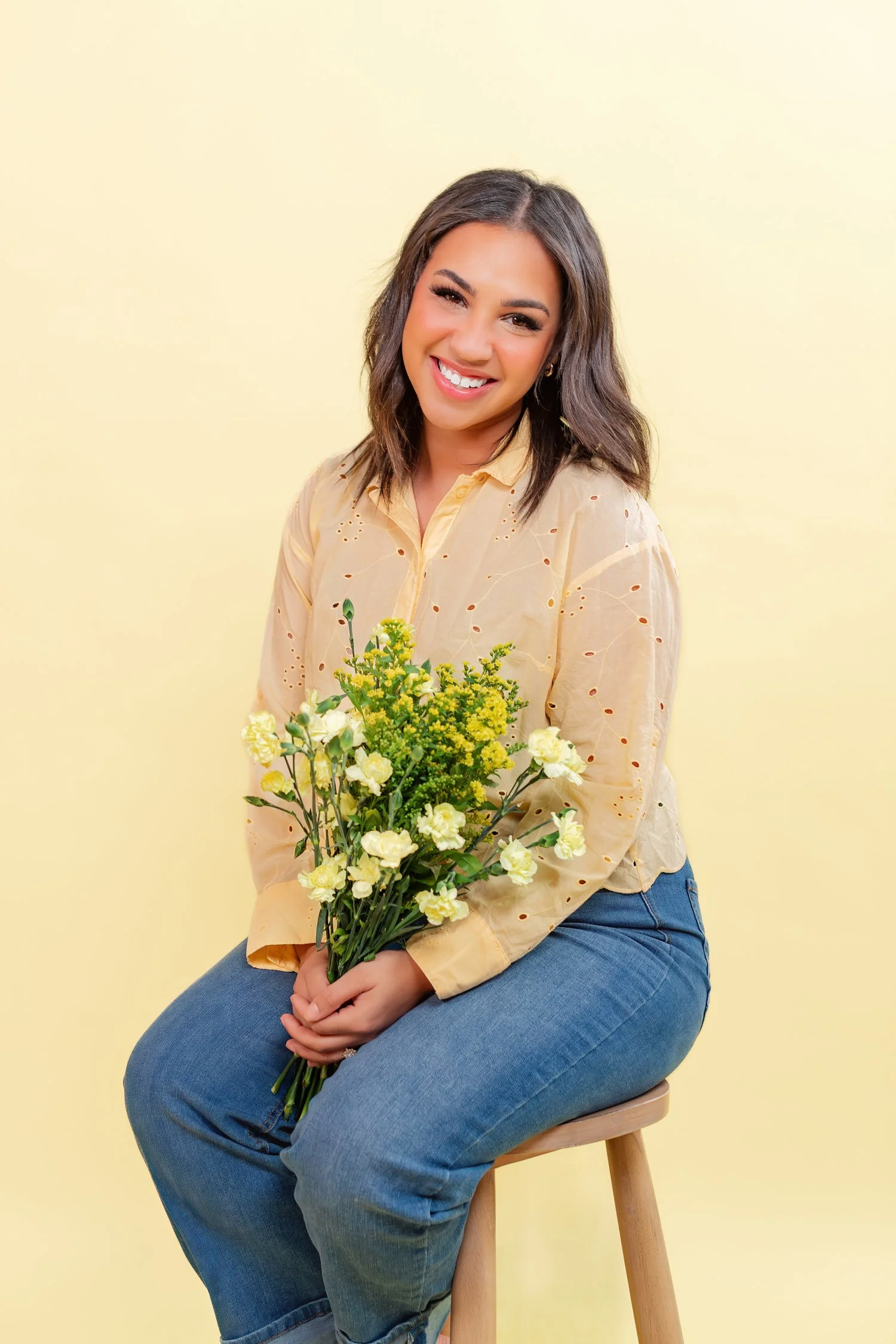
Hannah Painter is a special education paraprofessional at a middle school, working with 6th through 8th grade students with disabilities. Before the first student walks through the door each morning she is already coordinating with general education teachers, creating and gathering modified assignments, and making sure her own daughter catches the bus on time.
She came into this role because the schedule matched her family's needs. She stayed because she found something she genuinely loves.
The lightbulb moment she describes, the reason she stays, the thing she would tell her younger self, all of it is so honest and refreshing. If you are thinking about what it looks like to find purpose in work that did not start as a calling, this one is worth reading slowly.
What Is a Special Education Paraprofessional?
A special education paraprofessional, sometimes called a teacher's aide, paraeducator, or instructional assistant, works alongside certified teachers to support students with disabilities in both special education and general education classroom settings.
Paraprofessionals provide one-on-one and small group support, create and adapt modified assignments so students can access grade-level content, coordinate with classroom teachers throughout the day, and help make learning feel accessible rather than overwhelming for students who face consistent challenges.
In a middle school setting like Hannah's, a paraprofessional might work across multiple subjects and classrooms in a single day, following students through their schedule and adjusting support depending on what each class requires. The role calls for flexibility, strong communication with the general education team, and a genuine investment in students who often need someone in their corner.
Meet Hannah Painter, Special Education Paraprofessional
What's your name and what do you teach?
Hannah Painter and I teach Middle School Special Education (6-8th Grade) as a paraprofessional, which is basically a teacher's aide.
What does your morning look like before students walk in?
Before students come in, I am coordinating with the general education teachers about what our students will be doing that day, gathering and creating modified assignments for them, and making sure my daughter gets to the bus on time!
What's your favorite thing about being a teacher?
My favorite thing about being a teacher is when the "Lightbulb Moment" happens. A Lightbulb Moment is when you have been working with a student through something challenging, it could be a math concept or a science theory, and they have really had to push through each assignment and take the time to learn the material because it has not come naturally.
Then there is a time where everything just clicks for them and they finally understand it without questioning themselves. Those are my absolute favorite because you have not only watched them struggle but sat with them and worked with them to get through the material and you can literally see the consequences of the hard work.
What's one routine that keeps you grounded during a busy stretch?
Every morning on my way to work, I listen to worship music in the car. Not only does it calm my spirit, it's a daily reminder that God is continuing to work even when it feels like He's not.
What made you want to do this, and is that still the reason you stay?
If I'm being honest, I took my paraprofessional job so that I would have the same schedule as my young kids. However, I have fallen in love with supporting the students who are usually forgotten about. In the special education world, you see students who have disabilities that cause learning to always be challenging. Having the opportunity to support them so that learning can become fun and not so scary is more rewarding than I ever thought it could be.
What's your go-to hobby outside of teaching?
I LOVE working out!
What do you wish students or parents knew about how to make the most of your class?
I wish students and parents both understood that the repetition homework assignments provide helps students truly understand the concept we are teaching.
What do you know now that you wish you could go back and tell yourself as a student?
What people think of you is not important.
What are you genuinely happy about right now?
My family is currently thriving in the chaos of our lives. My husband's track team is having success, my cheerleading program is picking up a lot of momentum, and my kids are LOVING playing on the same soccer team together.
Current song on repeat?
"God I'm Just Grateful" by Maverick City.
Favorite way to reset after a long school day?
Baking something after school then getting to enjoy it with my husband and kids.
Current fixation — drink, snack, show, anything?
Learning everything I can about cheerleading! I just got hired as the middle school cheerleading coach so I'm fully immersed in that world now.
One thing you're looking forward to?
The upcoming school year! My twin boys will enter preschool, my daughter will be in first grade, and both my husband and I will be taking on new coaching positions!
What Hannah's Story Says About Finding Purpose in the Work
Hannah did not come into special education because it was her dream. She came because the schedule matched her family's life. That is a completely honest reason to take a job, and it is also how a lot of people end up exactly where they are supposed to be.
What she found once she was there is one of the things that makes her story inspiring. Especially as a mom of someone with special needs.
She fell in love with supporting the students who are usually forgotten about. Special education students, especially at the middle school level, can move through a school day feeling like the system was not built with them in mind. Having a person like Hannah, someone who shows up every morning to make their assignments accessible and their learning feel less scary, changes that experience in a real way.
The lightbulb moment she describes is something any student who has ever struggled with a concept will recognize. That moment where something finally clicks after you have genuinely had to work for it. A student who reaches that moment through real struggle owns it in a way that easy learning does not produce. Hannah gets to witness that regularly, and she knows it.
Here are some lessons of your 20s post on Happyologie that go along with what Hannah is saying about what she’d tell her younger self.

How Special Education Paraprofessionals Support Students with Disabilities
Special education paraprofessionals play a specific and often underrecognized role in how students with disabilities experience school.
Their work includes modifying assignments so students can access the same curriculum as their general education peers, providing real-time support during class without removing students from the learning environment, and building the kind of consistent, trusting relationship that helps a student feel safe enough to try something hard.
In practice, this means a paraprofessional like Hannah is coordinating with multiple teachers every morning, anticipating what each student will need across different subjects and class formats, and making adjustments on the fly throughout the day. It is detailed, relational work that requires both organizational skill and genuine care for the individual students on the caseload.
The repetition that Hannah mentions, the homework assignments that reinforce what is being taught, is also a real part of how learning solidifies for students who need more exposure to a concept before it sticks. Understanding why something is assigned, and that it is designed specifically to help rather than just to fill time, can shift how a student shows up to the work.
Want to Be Featured?
If you are a student or teacher with something worth sharing, we want to hear from you. Real Talk posts are all about real people navigating school and work in real time. Hit the contact page and tell us a little about yourself.
You Might Also Like
Real teacher life with Leigha Morgan, speech language pathologist at Bolivar Primary School
How to use the Pomodoro technique to make studying actually click