Heatless curls overnight are the closest thing to having your hair done while you sleep. You set your hair around a robe tie, a pair of braids, or a few rollers before bed, then take it down in the morning to soft, bouncy waves. The wrapping happens the night before, which leaves fewer things to do on a rushed morning.
This guide covers four methods, how damp your hair should be, and what to do when the waves come out flat or frizzy. Results depend on your hair's length and texture, so treat the first night as a test run. Pick a night when you don't have anywhere important to be at 8 a.m.
How to prep your hair for heatless curls
Start by checking the method you're using. Some heatless tools call for damp hair; others work on dry hair. For example, Love Silk London's curling-ribbon instructions start with clean, dry hair and allow a little moisture. Follow the instructions for your tool, and give your hair time to dry fully before you take it down.
If you already use a styling product that works for your hair, use its label directions. You can try a small amount of mousse for hold, but you don't need to start with a whole shelf of new products. Use your usual gentle detangling routine before you wrap each section. Your hair's texture matters here, so keep the care steps that already suit it.
For the robe tie method, divide your hair into two sections along your part. Clip one side out of the way while you work on the other. Braids and rods can use more sections; choose their size when you get to the method you want to try.
The robe tie method
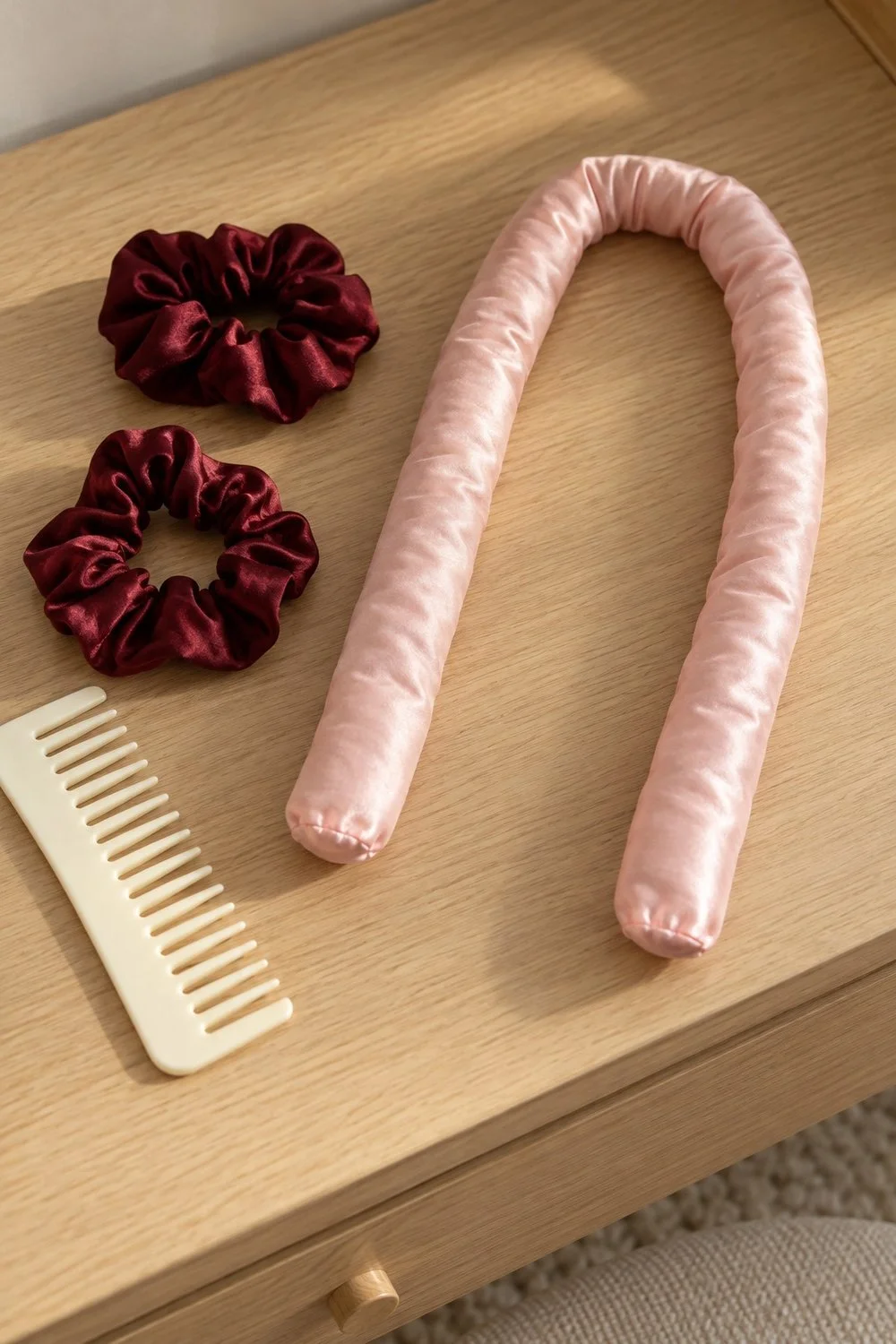
Grab the fabric tie from a bathrobe (or a satin heatless curling rod if you have one) and place it on top of your head, with the middle at your part and the ends hanging down by each ear.
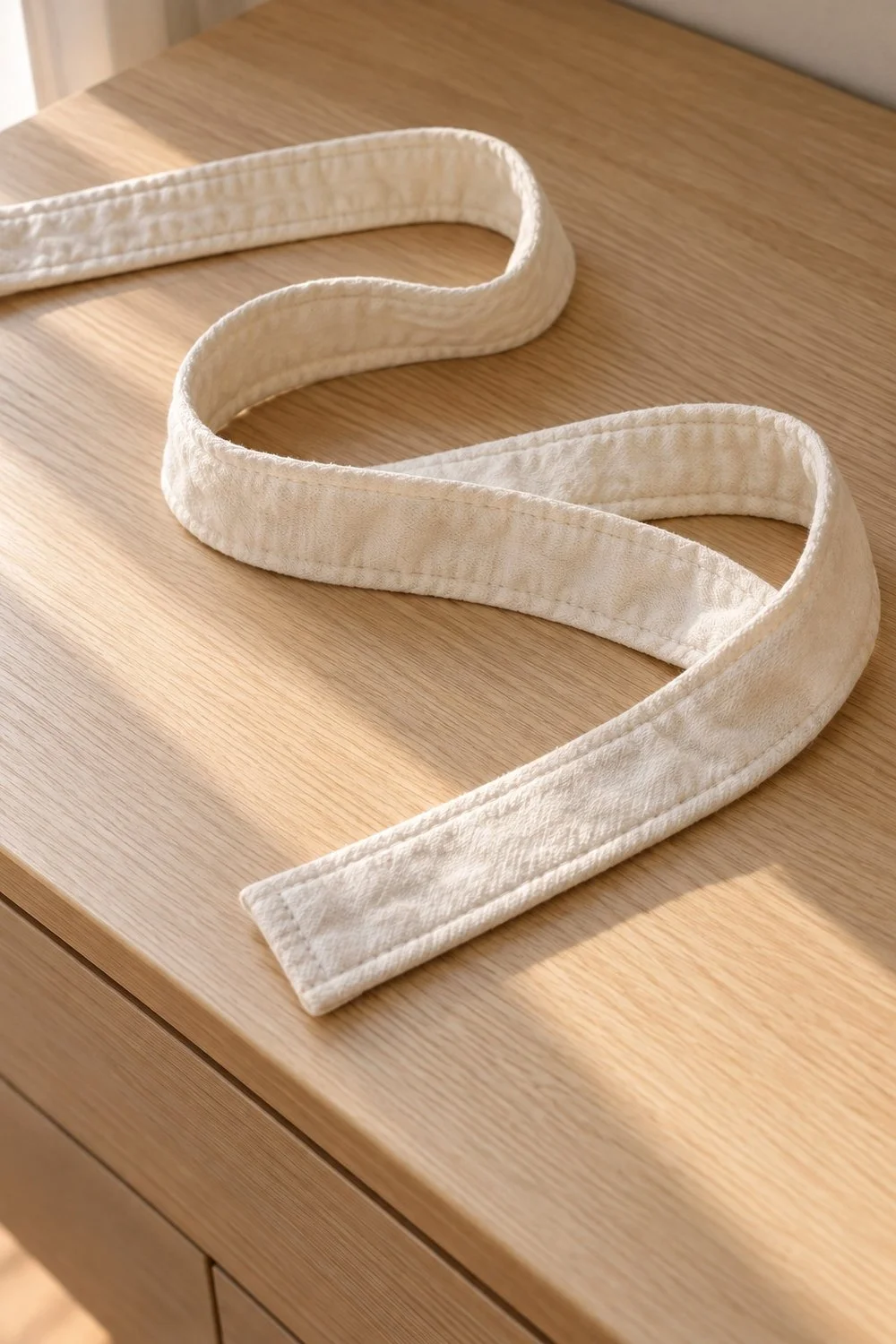
Take a small section from the front of one side and wrap it over the tie, away from your face. Add a little more hair to the next section, the same way you'd add hair to a French braid, and keep wrapping down the tie. When you run out of hair, secure the end with a scrunchie. Repeat on the other side.
The robe tie method can give long, loose waves. You'll need enough length to wrap around the tie and secure the ends. If shorter layers keep slipping out, try smaller sections or choose a different method. Keep the wraps comfortable rather than pulling them tight against your scalp.
Sleeping in a robe tie
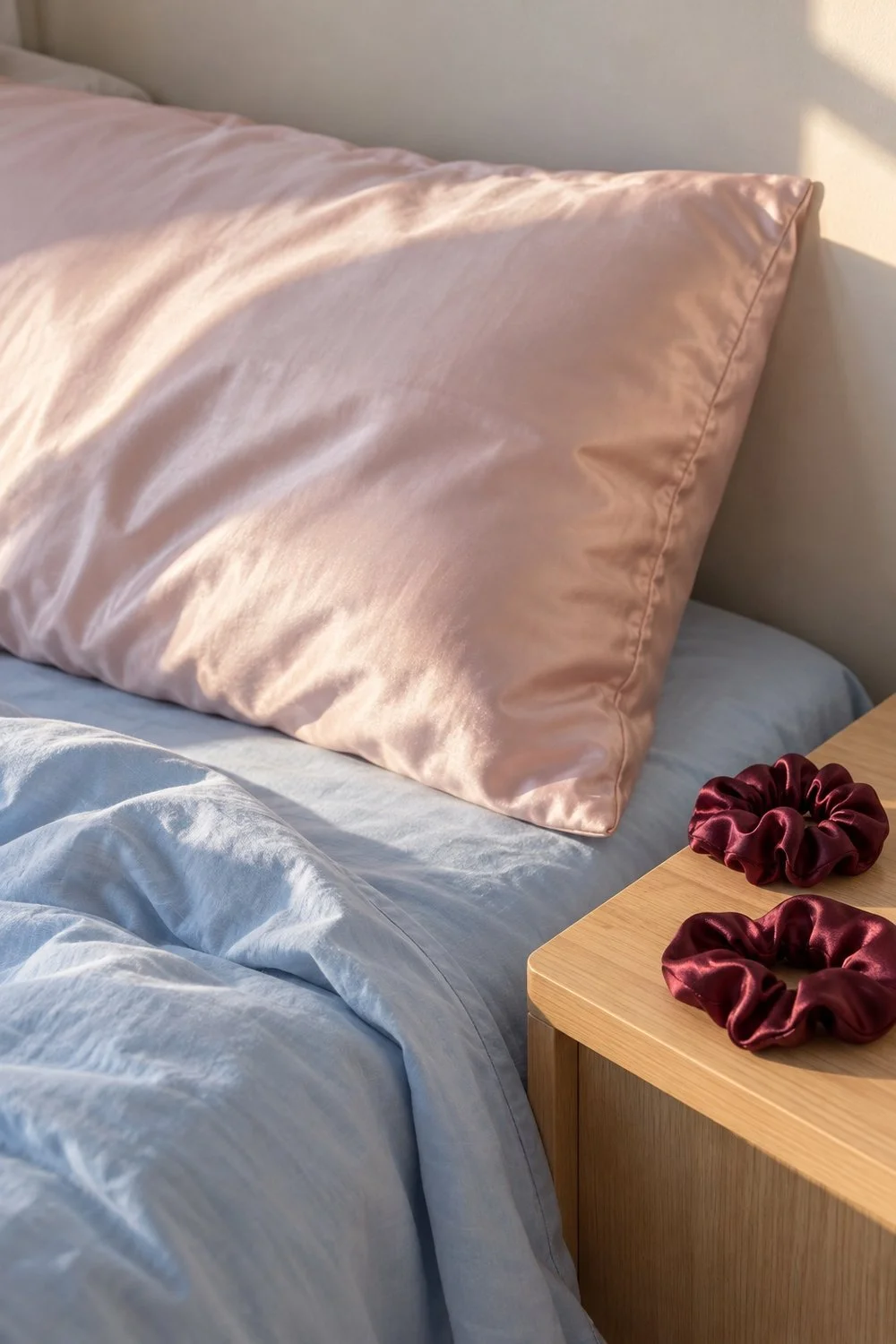
Try lying on your pillow while you're still awake to see whether the tie presses against your head. If it's bulky or pulls, take it out and adjust it. A smooth pillowcase may feel nicer beside the wraps, but no fabric can promise the same result for every hair type. You can also set your hair during an evening at home and take it down before bed.
Braids for heatless curls overnight
Braids use the soft hair ties you may already have. Two larger braids can give loose waves. More, smaller braids can leave a tighter, crimpier pattern. The shape will vary with your hair and how you braid it.
Braid from the roots for waves that start higher on your head, or start the braid at ear level for a softer, more natural look. Secure the ends with small, soft elastics. Leave the ends a little longer than you think you need, since the last inch of a braid often stays straight.
If your hair is too short to stay around a robe tie, try braiding only the sections you can gather comfortably. Leave short pieces out rather than pulling them hard to reach the braid. A few loose pieces around your face can be part of the finished look.
Keep the braids snug but not tight. The American Academy of Dermatology notes that hairstyles that pull hard on the scalp can lead to hair loss when they're worn often. If a braid hurts, it's too tight, so loosen it and redo it with less tension.
The sock bun method
Cut the toes off a clean, thick sock and roll it into a donut shape. Pull your damp hair into a high ponytail, slip the sock to the end of the ponytail, and roll the hair down around it toward your head. Secure the bun with a soft tie that holds it without pulling.
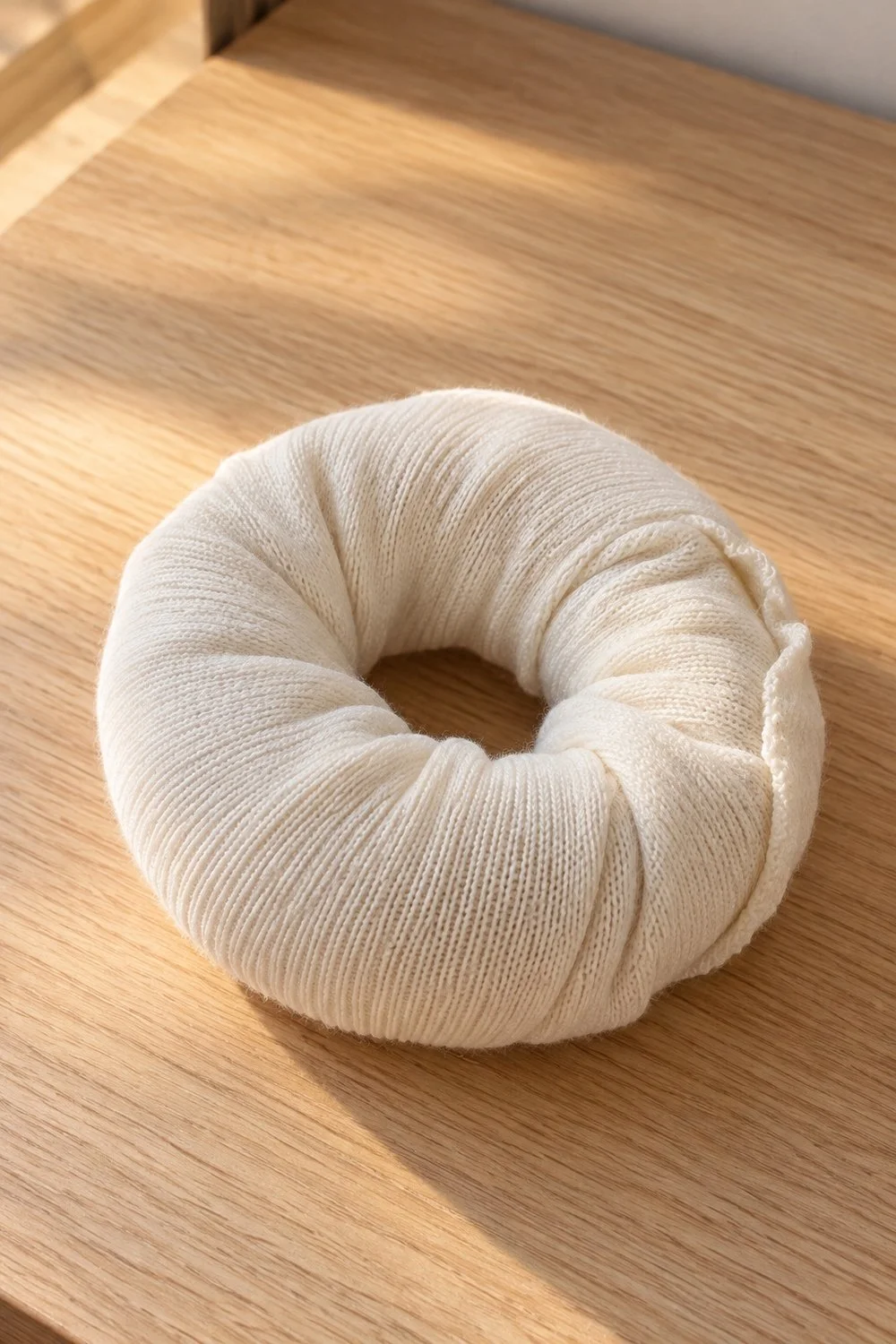
A sock bun can leave rounded bends toward the ends. You'll need enough length to roll your hair around the donut without pulling at the roots. Try the bun while you're awake first. If you feel pressure when you lie down, take it out and use a different method or set your hair earlier in the evening.
The downside is that the curls can come out a little uneven if the hair slips while rolling. Try spreading the hair evenly around the sock before you start, a bit like wrapping a present.
Flexi rods and foam rollers
Flexi rods are long, bendable foam rods that hold their shape. Wrap a small section of hair around a rod from the ends up, then bend the ends of the rod to lock it in place. Smaller rods make tighter curls, and larger rods make looser waves.
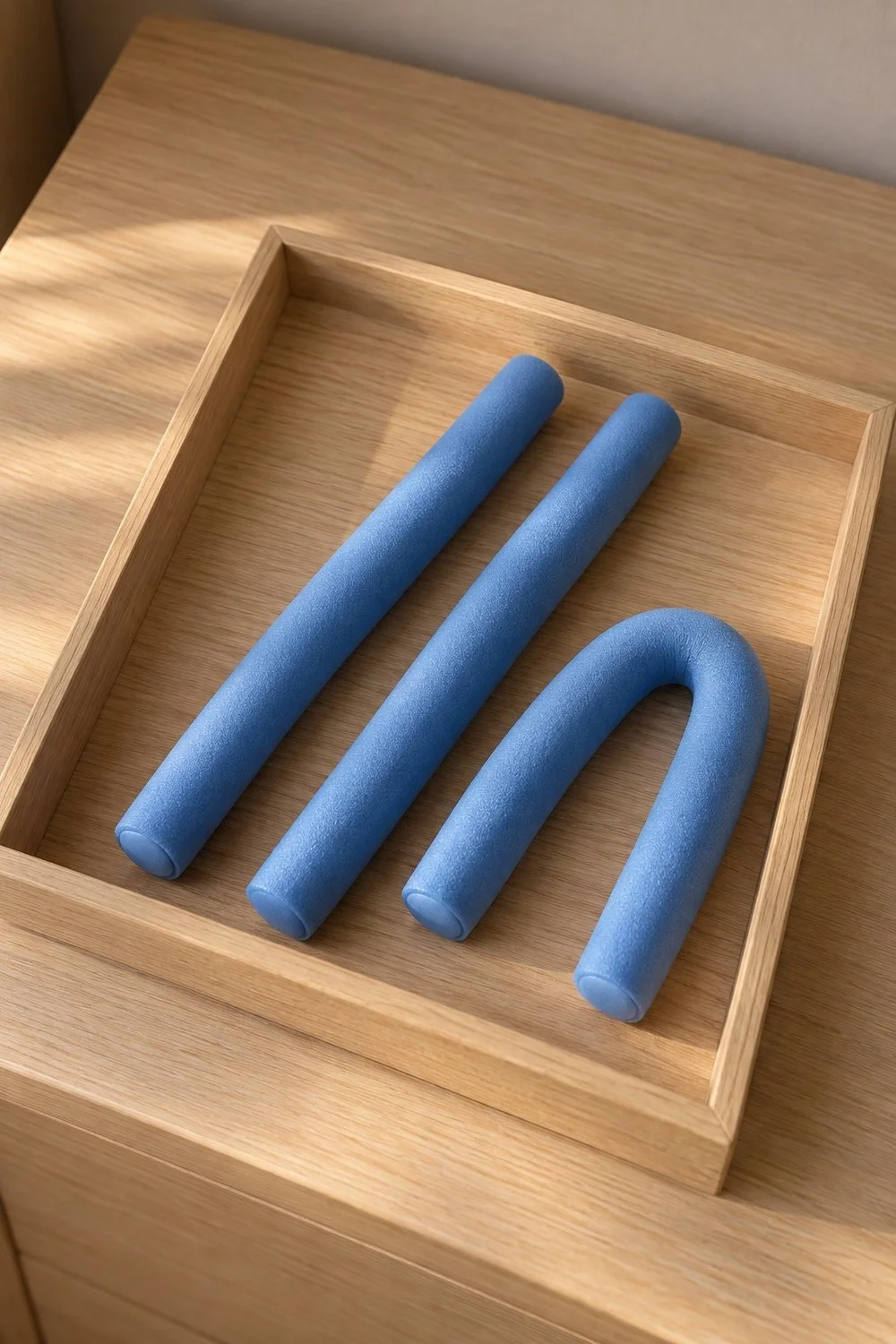
A rod set lets you wrap separate sections instead of gathering all your hair into one bun. Smaller sections give you more individual curls to arrange in the morning. The set-up takes some practice, especially at the back of your head, so leave time to adjust the sections before bed.
Foam rollers are another option, but their clips and fastenings differ from flexi rods. Follow the directions for the rollers you have. Choose tools intended for overnight use if you plan to sleep in them, and take them out if they press, snag or pull.
How to take out your heatless curls in the morning
Wait until your hair is completely dry before you take anything out. Feel the sections closest to your scalp, since those take the longest to dry. If they're still damp, give them a few more minutes with a cool setting on your blow dryer.
Unwrap gently and let the curls fall. Don't brush them right away. Run your fingers through them to separate the curls, starting at the ends and working up. A wide-tooth comb can loosen the shape if you want softer waves. Start with a small section so you can see how your hair responds.
A little hair oil or serum on your fingertips smooths flyaways. A light mist of flexible hairspray helps the shape last longer, especially on hair that tends to fall flat by lunchtime.
If your curls come out flat or frizzy
If the curls fall flat, first check whether your hair was fully dry when you took it down. Next time, change one thing, such as the section size or how much moisture you start with. Keeping the other steps the same makes it easier to see what helps.
If the finish looks frizzy, separate fewer pieces and handle the curls gently. Don't add more product or tighten the wraps every time a set turns out differently. The AAD's hair care tips also point out that gentle handling helps prevent breakage, so detangle slowly when you take the style down.
Heatless curls for different hair types
Straight hair tends to need a little more help holding a curl. Use mousse for hold, choose smaller sections, and let your hair dry fully before you take the style down. A robe tie or rod set lets you try wrapped sections and see how much shape your hair holds.
Wavy hair often takes to heatless methods easily. Two braids or a robe tie can turn natural waves into more defined, even curls. Go light on product so the waves stay soft.
Curly and coily hair can use these methods to stretch and define curls. Flexi rods, twist-outs and braid-outs are popular choices. Work with your usual leave-in conditioner or curl cream, and handle the hair gently when you separate the curls in the morning.
Fine hair can look flat if it's weighed down. Use a small amount of light mousse and skip heavy oils until the morning. Thick hair takes longer to dry, so start a little earlier in the evening or let it air-dry longer before wrapping.
Why try heatless curls
Heatless curls skip the hot tools altogether. The AAD's hair-styling guidance notes that excess heat can damage hair. A heatless set gives you a way to try a curled shape while taking a break from hot tools. They also save time on busy mornings, since the work happens the night before.
There's also something fun about taking down a robe tie and seeing how the waves turned out. Every night is a little different, especially while you're figuring out the right amount of product and section size for your hair.
If you're building an evening wind-down, setting your hair can fit right in with the rest of it. Our guide to sleeping better in college has more ideas for a calmer night routine. And for a cold walk to class once your curls are set, these ways to wear a scarf with a sweater look so cute with soft waves.
For a loose, half-up look, take the wraps down, separate the waves with your fingers, and gather the top section with a clip. Leave a few pieces around your face so you can still see the shape.
You Might Also Like
Cozy self-care products for college students
Amazon sleep finds that make dorm nights better