Moving to a new city alone gives you a chance to choose new places, routines, and ways to spend your time. This guide helps you plan your arrival and get settled during your first few weeks after college or a move for work.
You might be excited to find a coffee shop, learn the bus route, or set up your own corner of the kitchen. Start with the things that help you use your home and get through your day. Exploring can happen alongside the boxes.
You don’t need a favorite restaurant, a full apartment, and weekend plans the moment you arrive. Your first few weeks can give you time to learn what you enjoy about the place. Leave some room for things you discover once you live there, including the grocery store with the snack aisle you take personally.
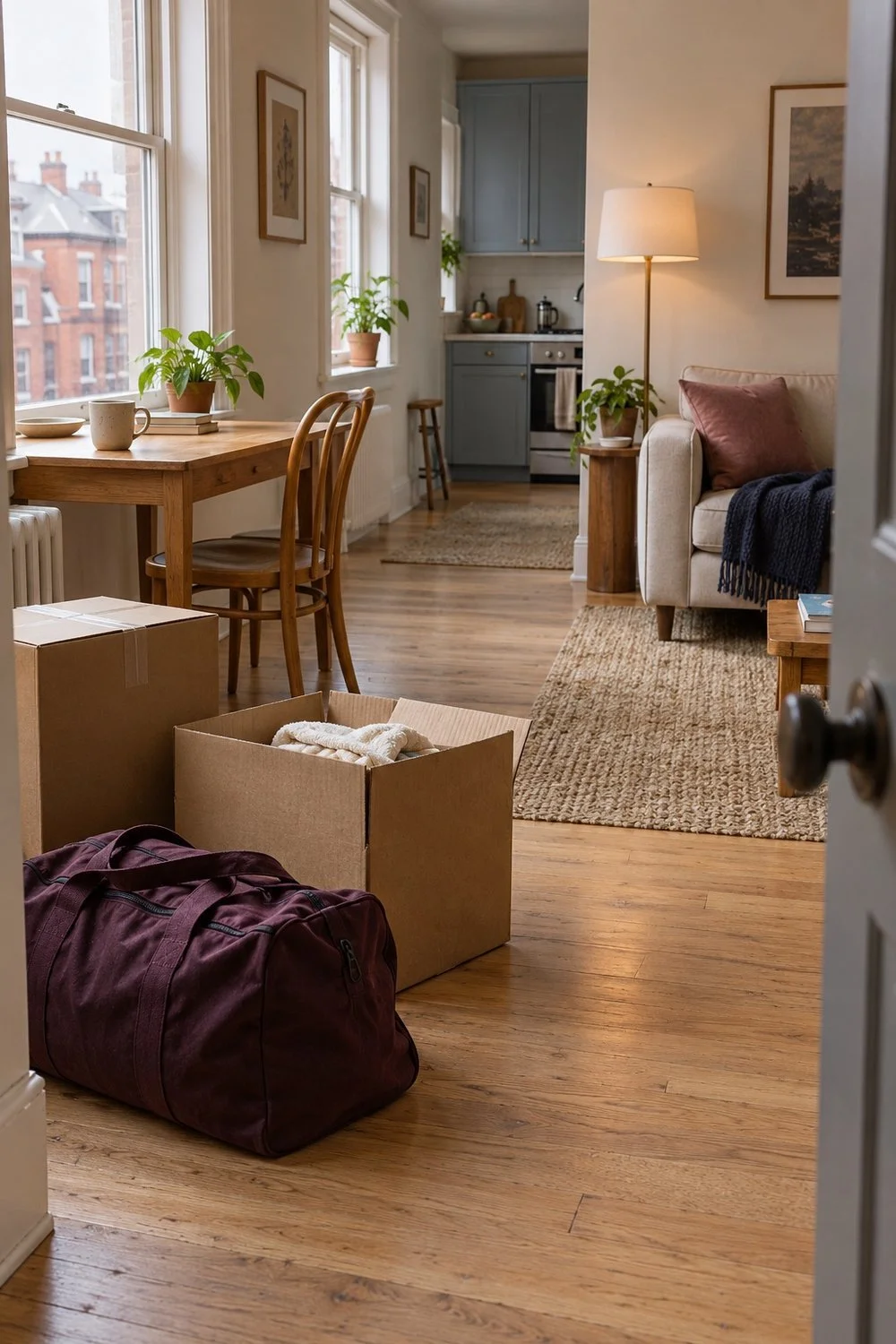
Before moving to a new city alone, plan your arrival
Work out how you’ll get into your home, where you’ll sleep, and what you’ll need that first evening. Those details help you arrive with a useful plan, even if the rest of the move takes longer than expected.
Confirm the key handoff with the person responsible for your home. Check the address, the time, any building access details, and where you can unload. Keep their contact details somewhere you can reach without opening a box.
If you have a long trip, leave room for travel delays. Ask what happens if you arrive after the planned handoff time. You can also check whether someone is available to help with items you can’t safely carry on your own.
Pack a bag with the things you’ll use before you unpack. Think about clothes, toiletries, bedding, chargers, any medicines you use, and food you can manage without finding every pan. Keep private documents with you rather than loose in a shared moving space.
Choose what you’ll do about mail too. In the U.S., use the official USPS mail-forwarding and address-change guidance to check the current process. Review important accounts separately so you can update the places that need your new address.
If you’re moving from a dorm, your needs may have changed. A kitchen item that belonged to a roommate won’t arrive in your boxes. Check what comes with your new place before you buy things for it.
Make the first night comfortable enough to rest
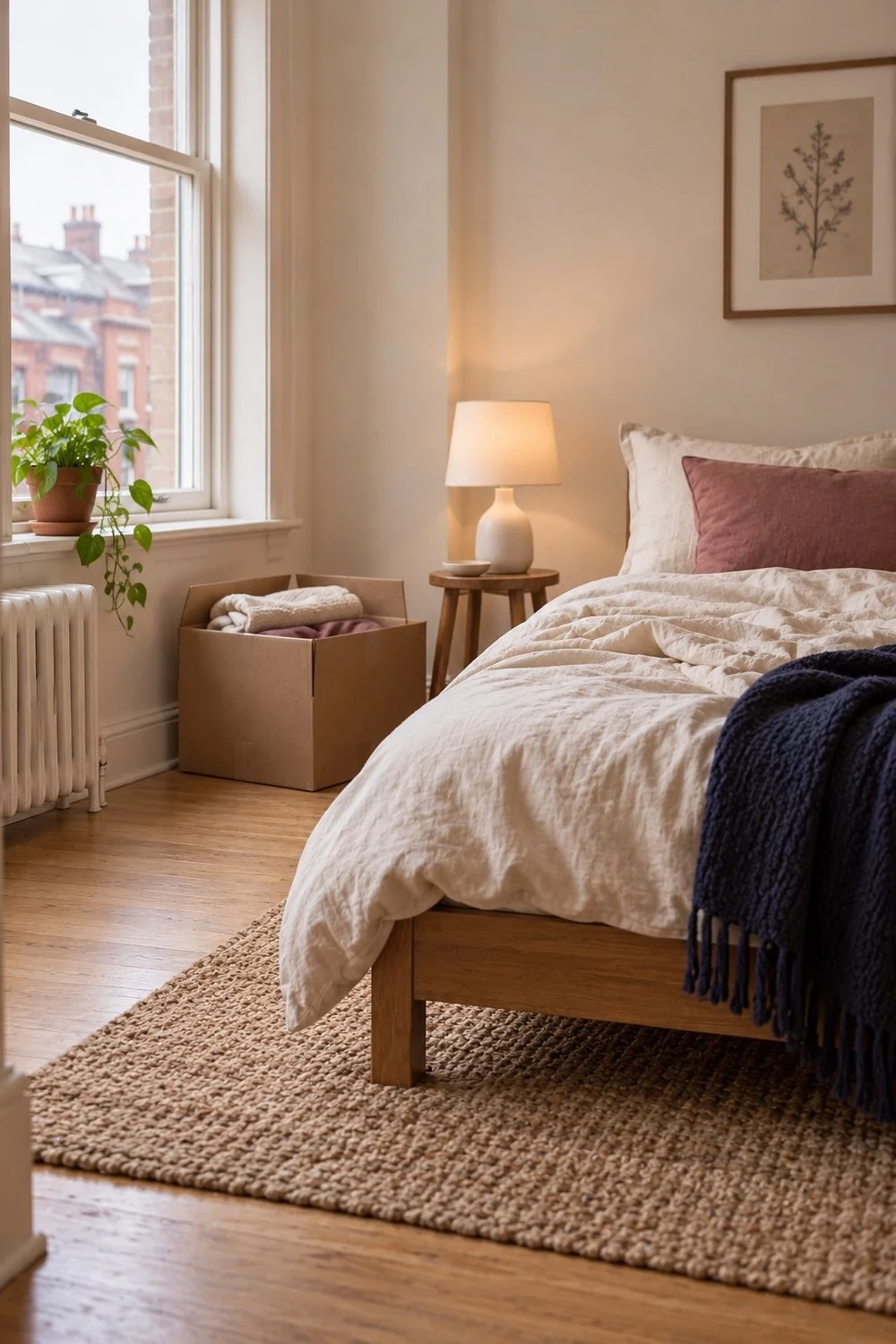
Set up the parts of your home you’ll use that night before you start sorting every box. A place to sleep, a working bathroom, something to eat, and a charged phone can be your first priorities.
Keep your first meal manageable. You might bring food, pick up groceries, or choose a nearby place you can afford. You can learn which kitchen drawer suits the cutlery after you’ve eaten.
Walk through the home in daylight if you can. Check that you know how to use the locks and where the exits are. If something needs repair, use the contact or reporting process for your building or rental.
Keep a light and your phone within reach of the bed. Save the address in a place you can find quickly, including any unit number. Knowing your own new ZIP code may take a little longer than knowing which box has your favorite mug.
You can let someone you trust know you’ve arrived and how to reach you. Choose how much you want to share. A short message or a planned call can help you stay in touch while you get settled.
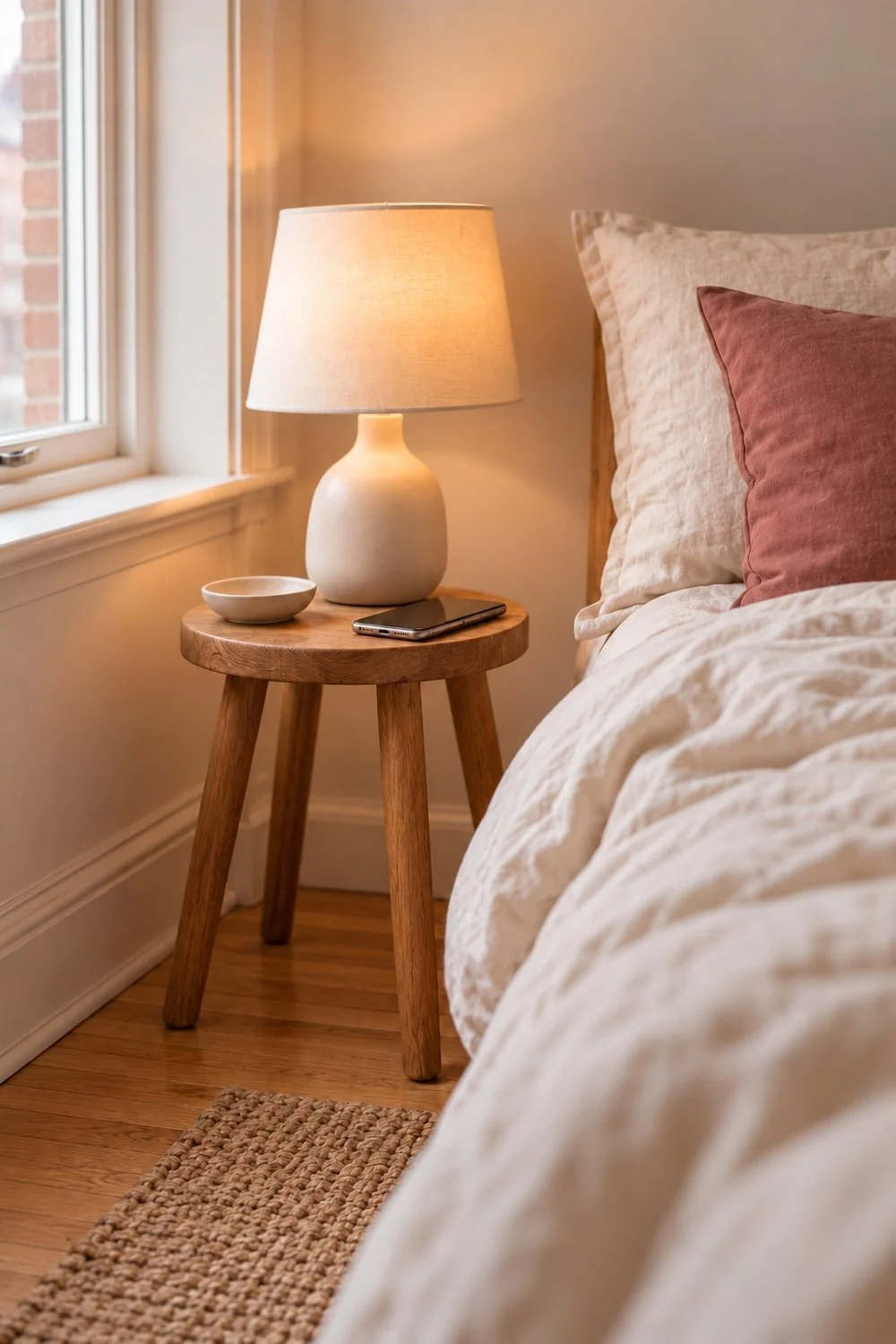
Your first night doesn’t need to look finished. You may have a mattress, a lamp, and a pile of bags. Set up enough to use the space and rest. The rest can wait for a time when you have the energy and what you need.
Learn the routes you’ll use during a normal week

Start with the places that help your daily life work. Your work route, food shop, laundry, and a few useful local services give you a map you can build on.
If you commute, try the journey before your first workday when you can. Check the current route through the local transit operator or a map service. Notice where you board, how you pay, and what the trip looks like at the time you’ll travel.
If you drive, check where you’re allowed to park. Your building and workplace may have their own rules. Use the local authority’s current information for street parking rather than assuming it works like your old town.
Find a food shop that fits your budget and travel options. A smaller shop nearby might help with the first few days, while a later trip lets you stock the kitchen. You can learn what you use before buying a cupboard full of things.
If you work changing hours, think about the trip home as well as the trip there. Check the service times for late shifts and make a plan that fits. Give yourself room to change it once you know how the route feels in practice.
You can keep a short note of the details you look up often. Add the bus route, building contact, or opening hours you use. If you already like planning around a changing week, bring that habit into your new place.
Get to know your neighborhood a little at a time
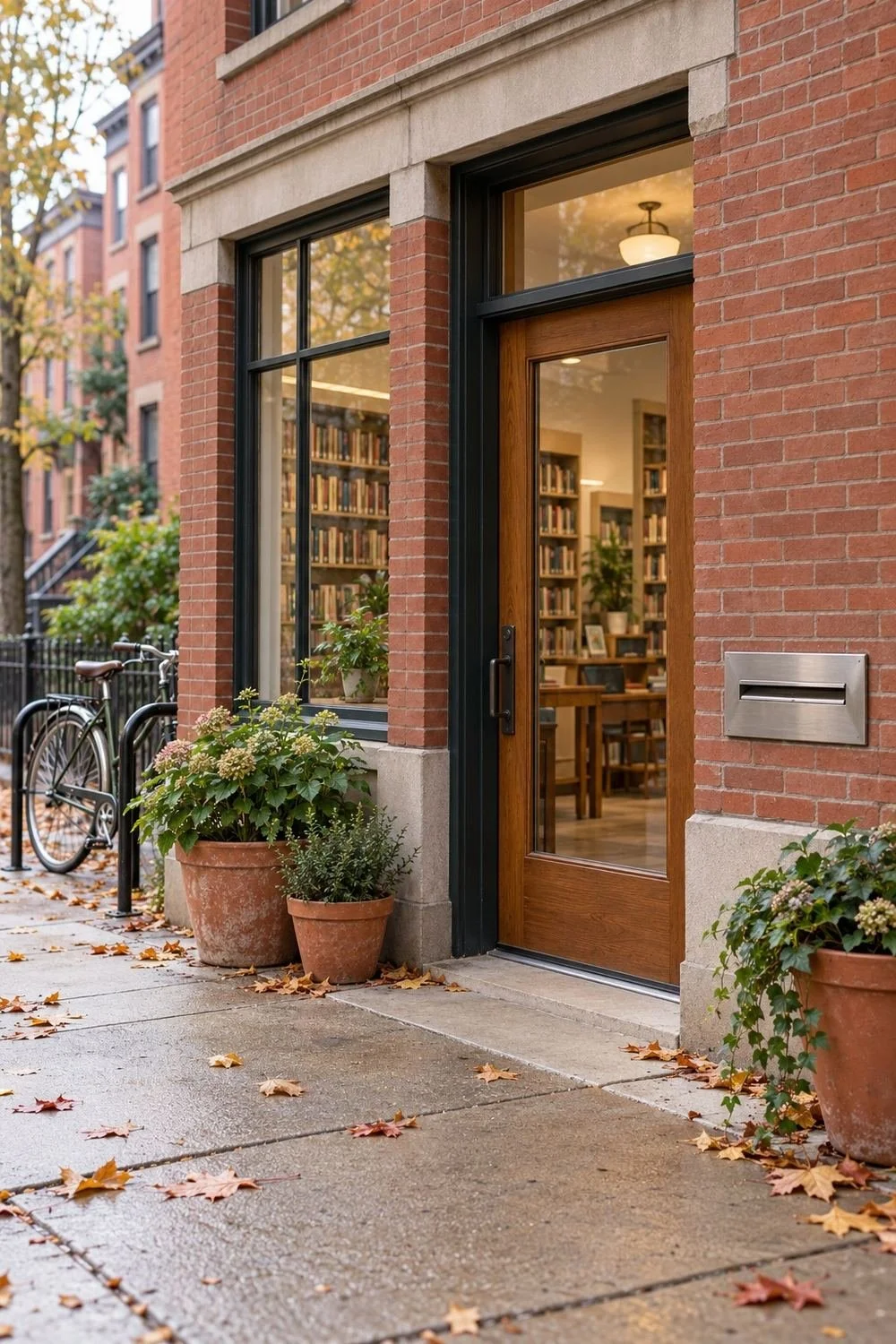
Choose one nearby place you want to visit, then build from there. A park, library, bakery, or community center gives you something to look forward to while you learn the area.
You can begin with a walk during a time you feel comfortable going out. Look up the route first and choose how you’ll get home. You don’t need to turn the outing into a full tour to enjoy finding somewhere new.
Pay attention to what suits you. You might want a quiet table, a place to read outdoors, or somewhere you can bring a friend later. A popular spot may be worth trying, but your favorite can be the one that works for an ordinary day.
Check the library or community center for events open to local residents. Look at the cost, access details, and booking rules. You can choose an activity because you enjoy it, with the chance to meet people as part of the visit.
If you’d like to make new friends, give that its own space in your week. A University of Kansas study links time spent together with growing friendship. Choose an activity you’d enjoy returning to, with room to get to know people over time.
Bring your own interests into the city. If you love taking pictures, look for a walk you want to photograph. If you enjoy making things, find out where you can get supplies or take a class. Enjoying ordinary parts of your day can start with something you already like doing.
Build a week that leaves room for settling in
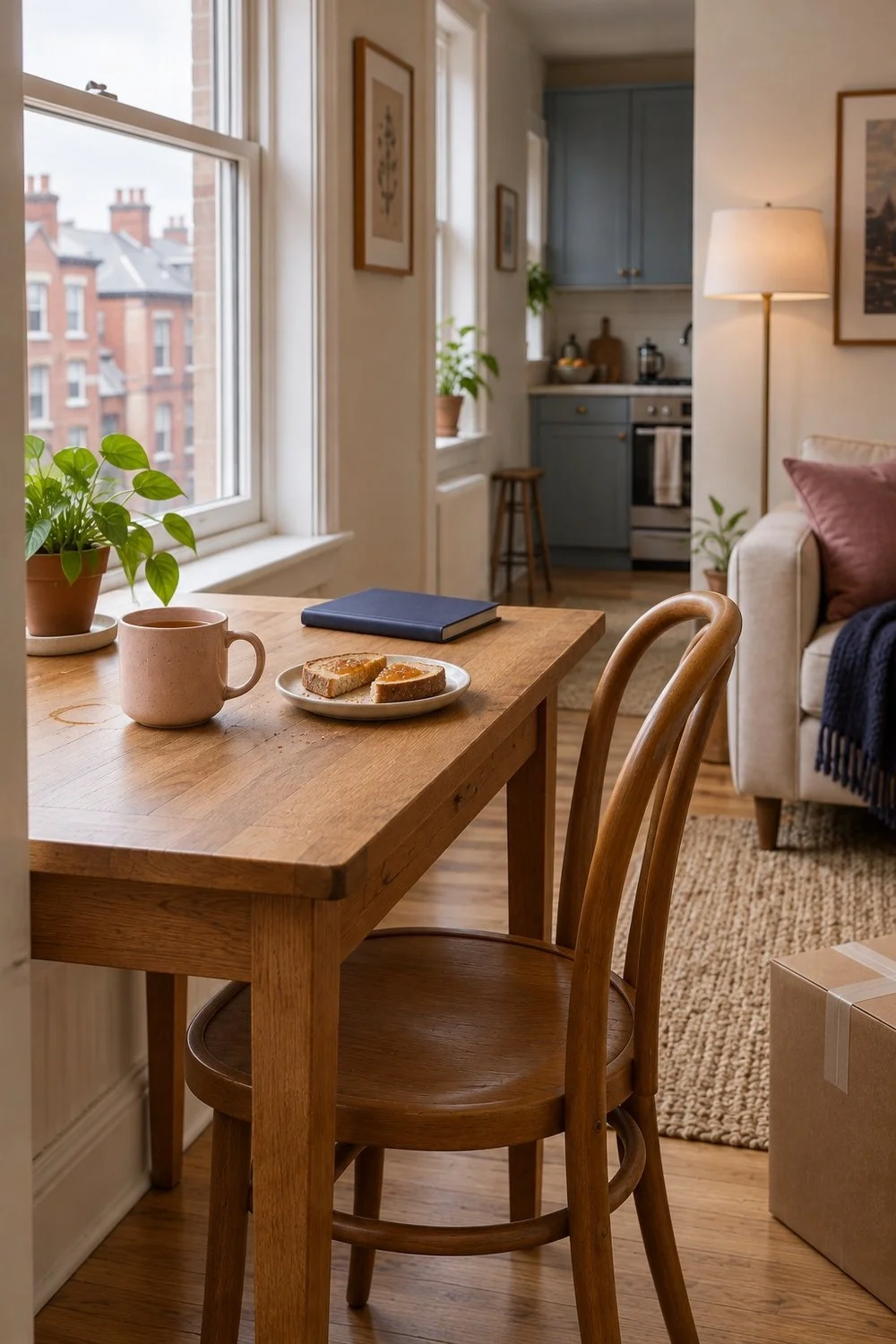
Give essential tasks a place in your week and leave some open time around them. Moving includes work you can see, such as unpacking, and work you have to remember, such as setting up accounts or finding a new service.
Choose a small area to finish first. You might want a clear place to eat or a spot where you can sit after work. Completing that area lets you use part of the home while you decide what to do with the rest.
Keep track of tasks in a way you already use. A note on your phone, a notebook, or a calendar can hold them. Put dates beside anything with a real deadline and leave the rest as choices for when you have time.
If you have space to choose, spread errands across the week. Carrying groceries, waiting for a delivery, and assembling furniture may each take more energy than their place on a list suggests. You can make plans that suit the hours you have.
Keep a few familiar things in your day too. The breakfast you like, a call with someone at home, or an evening activity can travel with you. If you miss home, understanding the adjustment of leaving familiar places may help you name that feeling. The campus advice in that guide can sit alongside the different needs of your new life.
Make room for help and plans that change
Save the contacts and information you may need before you’re in a rush to find them. Your building contact, work contact, and a trusted person can each help with different parts of the move.
Find out where your building shares urgent notices and which local services handle problems in your area. Follow the current local guidance for your home and keep the details where you can find them.
For everyday help, be clear about the task. You might ask someone to explain a bus connection, recommend where to take laundry, or help lift an item that needs two people. You can ask for one useful thing without needing someone to take over the move.
As you learn the city, your plans can change. You may find a better route, a different time to shop, or a place you want to visit each week. Let what you learn shape the next few days.
Pick one thing that would make tomorrow feel more settled. Put it where you can find it, check the details, or give it a place in your day. Your new home can come together as you use it.
You might also like
Starting a journal for your new chapter
Finding a weekly planner that suits you