A slow morning routine gives you room for things you enjoy before the rest of your day fills up. These ideas are for a day off, a late start, or a free morning between class, work, and weekend plans.
You might want to read with your coffee, take a short walk, or write a few lines while breakfast is on the table. Choose around the morning you have and the things you like. Your drink can come from the kitchen, and your book can come from the library.
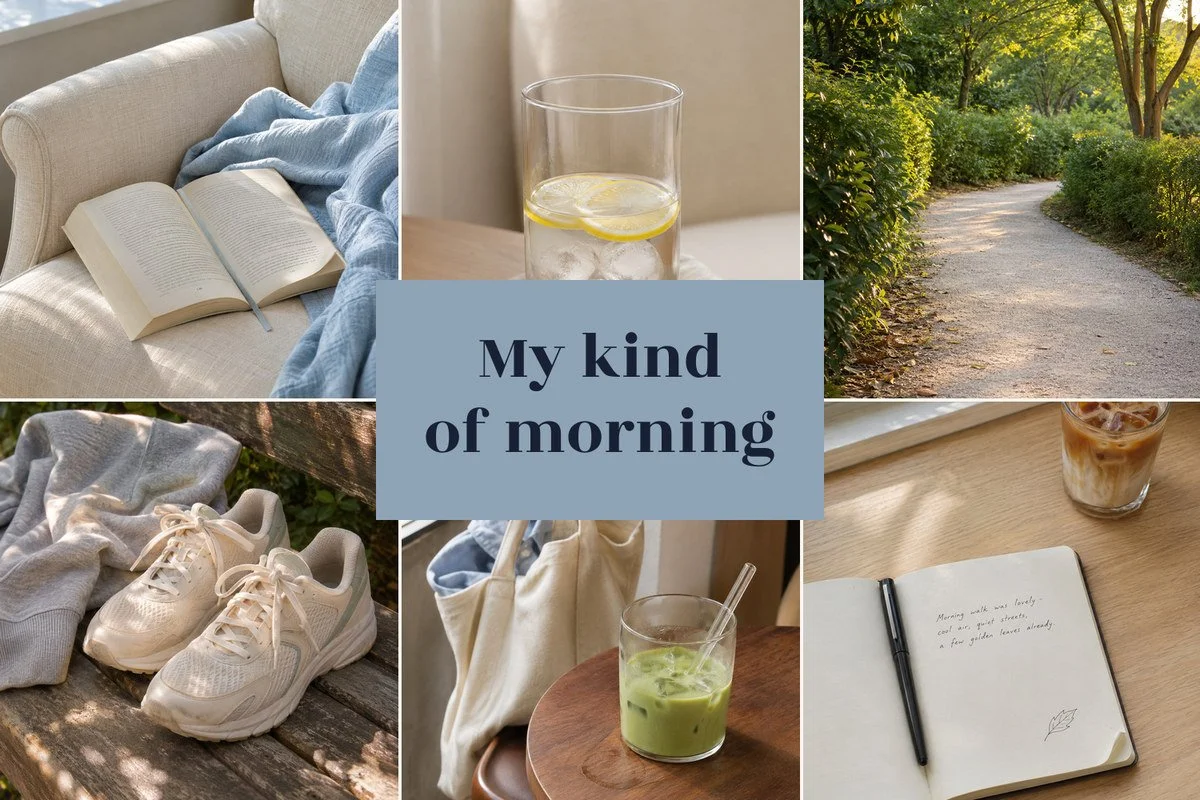
What is a slow morning routine?
A slow morning routine is a loose plan for spending the start of your day at a pace you enjoy. It gives a few favorite things a place in your morning, with room to linger or change your mind.
On a day off, that might mean breakfast before you open your laptop. On a morning before an afternoon shift, it could be a short walk followed by coffee at home. You choose what fits around the plans you already have.
Think about the part you would look forward to tonight. Maybe your book is at a good chapter. Maybe the weather looks nice, or you have been meaning to try the tea in your cupboard. Start with that detail when you pick your morning plan.
Choose a morning with room to linger
Before you settle on an idea, look at when you need to leave or start your next task. Include getting dressed, eating, and travel. The time left gives you a useful place to begin.
If you have twenty minutes, put a book beside your breakfast. If you have a free hour, you could take a walk and come home for a drink. If the whole morning is open, leave a little room between plans. You may want to finish a chapter instead of moving on when you expected.
You can also get a few things ready the night before. Leave your book near your chair, rinse the glass you want to use, or put your shoes by the door. Keep it to the things that would save you a search in the morning.
For mornings built around an early class or commute, our morning routine for students covers getting ready and planning for the school day. Here, the aim is to make use of the free time on your day off.
Read a few pages in a spot you like
Choose a book you want to open, then sit somewhere with enough light to read. A corner of your bed, a chair by the window, or the end of the kitchen table can work. If you share a room, headphones and a familiar playlist may suit the space.
Start where your bookmark is. You can read until you reach a good stopping place, your drink cools, or breakfast is ready. A collection of essays, a graphic novel, or a magazine can fit a morning when you want something short.
If choosing a book takes longer than reading it, pick from what is already on your shelf. You can also check your library's digital collection. Libby offers ebooks and audiobooks through participating libraries, so your next read may already be available with your library card.
Keep a note of what you liked about the book if you want help choosing the next one. A funny narrator, short chapters, or a story set in a favorite place gives you something more useful to search for than a long list of popular titles. Our guide to enjoying reading again has more ways to find a book you want to return to.
Make a drink you want to sit down with
Prepare your drink before you settle into the next part of your morning. Fill a glass with water and lemon, make your usual coffee, or use the tea you keep saving for later. Choose what you enjoy and what you already have.

If you like cold drinks, put the ice in the glass before you sit down. For a warm drink, use a stable mug and leave it on a table where you can reach it. A clear spot beside your book saves you from balancing everything on your lap.
You could pair the drink with toast, fruit, or your usual breakfast. Keep the food suited to your morning. If you want to cook, make something you enjoy preparing. If you would rather read, choose breakfast that leaves you time to do that.
The enjoyable part may be using a favorite glass or taking your coffee to the window for a few minutes. There is room for the familiar drink you make on an ordinary school or workday, too.
Take a short walk with an open-ended stop
For a walking morning, choose a route you know and a turning point that fits your time. You might walk to the end of the block, around campus, or through a nearby park. Check the weather and the route before you leave.
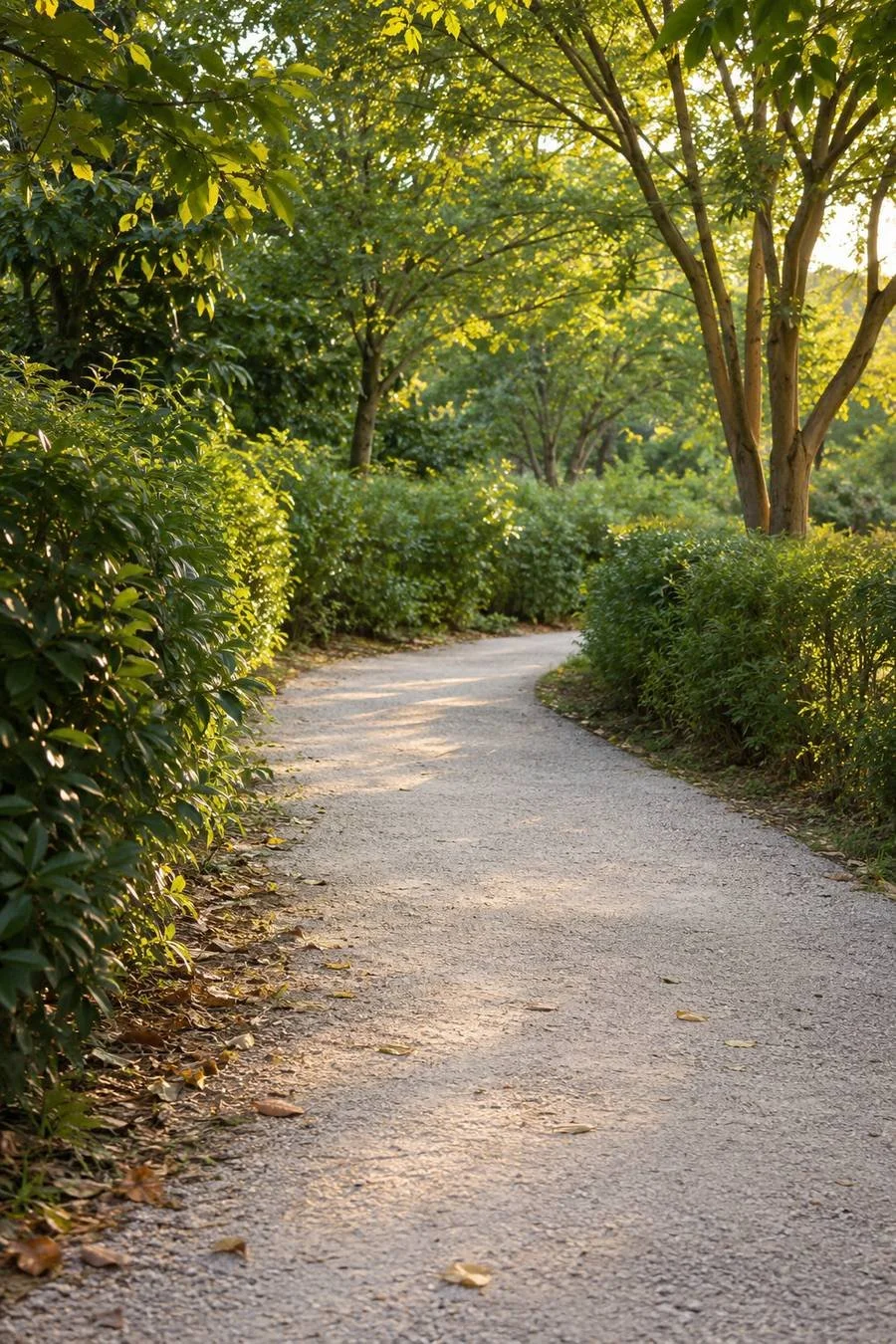
A familiar loop lets you decide as you go. You can stop at a bench, look at the trees along the path, or take the longer way home if your plans allow. If you want company, ask a friend whether they are free before making the walk a shared plan.
Bring what the outing needs. That may be your keys, a layer for the weather, and water in a bag or bottle holder. Comfortable shoes and a route with places to pause can make the plan more practical. Follow local access rules and choose a place where you feel comfortable walking.
If going out does not fit your day, choose a different change of scene. You could have breakfast near an open window, read in a shared lounge, or move from your desk to a chair. Pick a spot that works with your space and access needs.
Choose a coffee pause at home or in a café
If a café visit is part of your morning, check its hours and decide what you want to spend before you go. Bring your book or notebook if you would like to stay for a while. A small table may have space for your drink and one other thing.
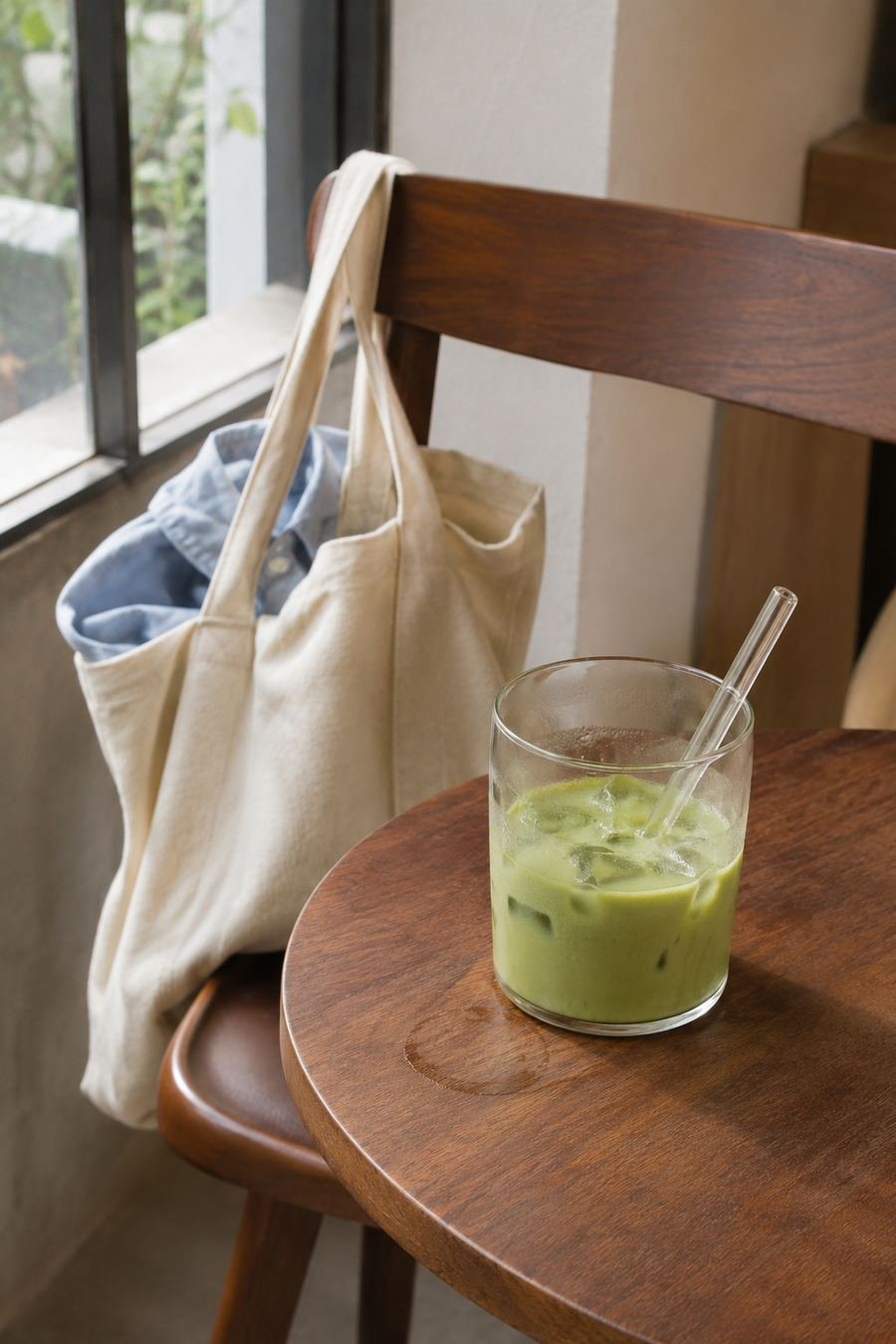
When you arrive, choose a seat that suits what you want to do. A window table can be nice for reading. If you are meeting someone, a spot where you can hear each other may matter more. Follow the café's seating and purchase rules, especially during a busy morning.
For a home version, clear a small part of the table and make the drink you like. You can put on music, open your book, or leave the space clear and enjoy breakfast. A café order is one option among the things you could spend your morning doing.
If your free morning includes a friend, share one clear invitation. Coffee before lunch or a walk after breakfast gives you a plan you can both fit around the rest of the day.
Write about one part of your morning
If you feel like writing, open a notebook and choose one thing to record. You could note a detail from your walk, a line about your book, or something you want to make room for later in the day.
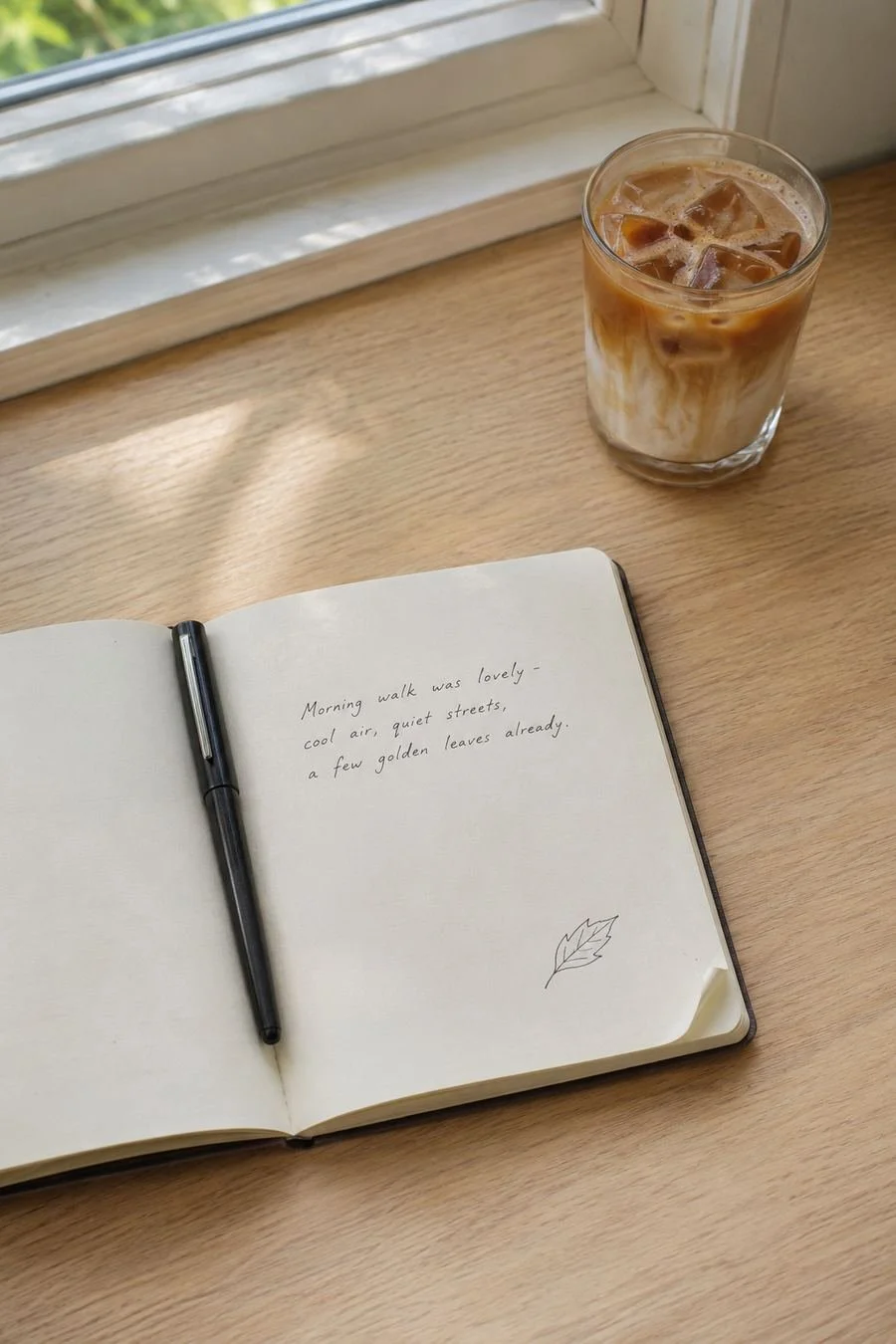
For a starting point, try: What would I like more time for this week? Name the thing, then add one detail. That could be finishing a library book before it is due, seeing a friend after class, or making breakfast before your next late shift.
You can also write about something you noticed. Describe the café window, sketch a leaf, or save the name of a song you heard on your walk. A page can hold a mix of short notes and small drawings if that is how you like to use it.
If you want more options, what to write in a journal groups ideas by the kind of page you want to make. Choose a prompt that interests you, then stop when you have said what you wanted to say.
Put together a slow morning that fits your day
Choose the part you most want to do and build around it. The examples below show how the same photos and ideas can fit different kinds of free mornings.
A reading morning at home
Make breakfast and your usual drink, then take your book to a spot where you can sit comfortably. Leave your next task until the time you set aside for it. If you want to keep reading, check what else is fixed in your day before extending the plan.
A walk followed by coffee
Choose a familiar loop and decide whether coffee will be at home or along the route. If a friend is coming, agree on the meeting place and time. Leave enough room to get home and ready for the next part of your day.
A café and notebook morning
Bring one notebook or book, check your budget, and pick a café that is open when you want to go. Order something you enjoy and settle into what you brought. When you are ready to leave, keep one detail from the morning on the page if you feel like writing.
For your next day off, choose the plan you would most like to wake up to. Set your book, shoes, or notebook where you can find it.