You open your notebook before office hours and find three question marks beside the same example. You know you need help. Turning those marks into something you can say out loud is the part that’s missing.
Useful office hours questions start with what you tried and where you got stuck. Bring the page, point to the step, and ask what you need to understand next. You can arrive with an unfinished attempt and ask for help finding the gap.
Below, you’ll find words for the moment when a problem stops making sense, an assignment direction feels vague, or an explanation sounds clear until you try it yourself. The sample questions are made-up teaching examples you can adapt to your class. Keep the parts that fit your question. Your professor doesn’t need a polished speech.

How to Turn “I’m Confused” Into an Office Hours Question
Name the task, show your attempt, and mark the first part you can’t explain. Those three details give you a place to start the conversation.
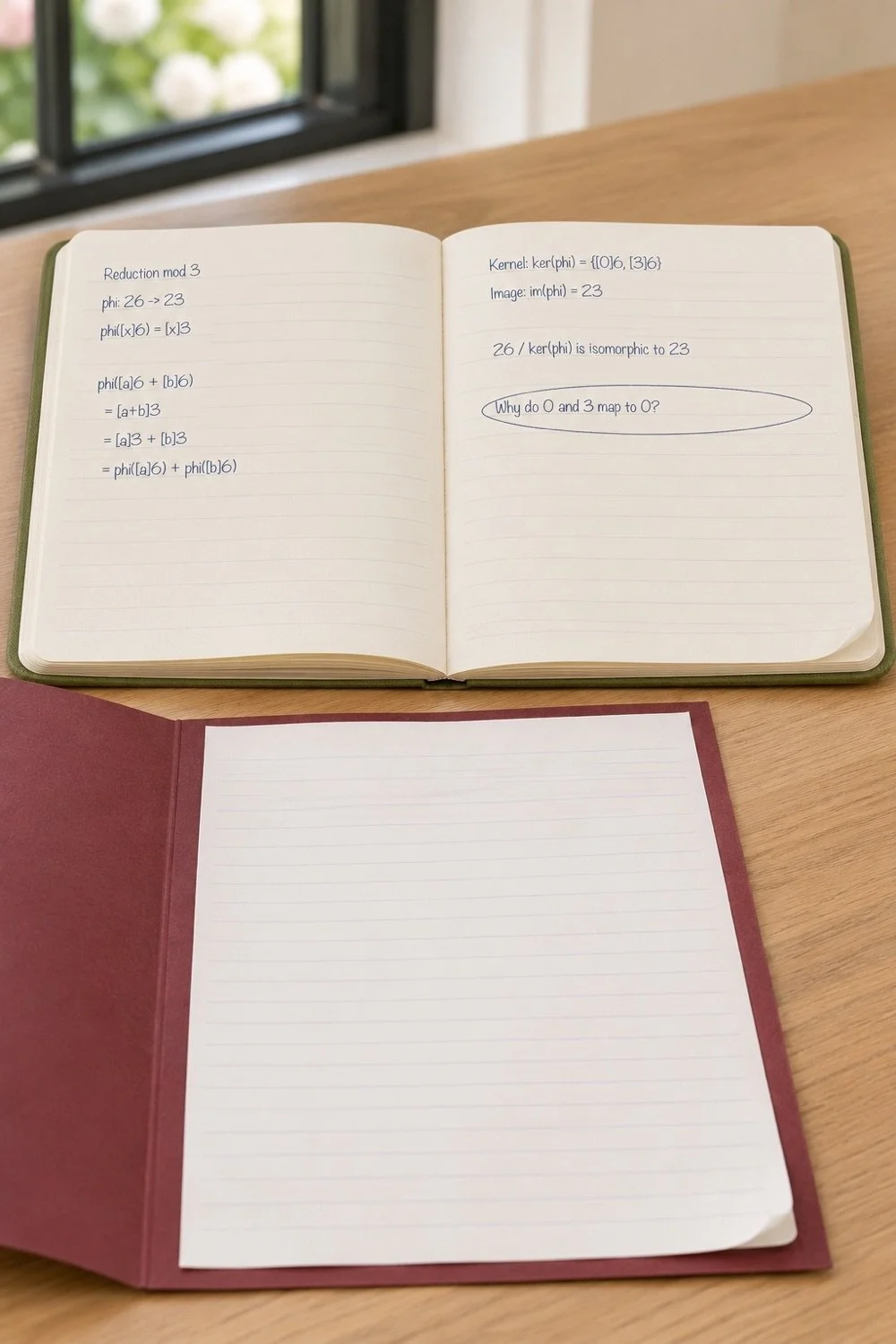
A few lines are enough: the task, what you tried and the step where you got stuck.
Try this pattern: “I’m working on ___. I tried ___. I get stuck when ___. Could you help me understand ___?” It works aloud or as a note you read from your phone.
For a made-up math example, you might say, “I’m solving this equation. I subtracted 4 from both sides, but I don’t know what to do with the fraction next. Could you help me choose the next step?” Put a small mark beside that line so you can find it while you talk.
If the whole page feels unclear, choose one example from class. Say what you recognize, even if it’s only the symbols or the question being asked. You could ask, “I know this problem asks for a rate. I can’t tell which information I need first. How would you start sorting it?”
Cornell’s guide to using office hours recommends bringing an attempt and finding the unclear point. It also explains why an instructor may ask you to show your thinking. Those questions help them see which part needs attention.
For help with the visit itself, including how to introduce yourself, read how to talk to your professor when it feels awkward. Here, we’ll stay with the question you want answered.
What to Ask When You Can Follow an Example but Can’t Start
Ask which feature tells you what to do first. Following a worked example and choosing a method on your own can feel like two separate tasks.
You might ask, “I can follow your solution when it’s beside me. When I cover it, I don’t know which step comes first. What should I look for in the question?” Bring both the example and your attempt so you can compare them.
A second question can make that choice clearer: “What would change in the problem if I needed a different method?” This gets at the cue you’re looking for, rather than another copy of the same answer.
For a made-up statistics example, you could say, “These two problems both compare groups. What detail tells me which test fits?” Your professor can name the course rules and assumptions that matter. Write those beside the question in your own words.
You can also ask, “Could I try the first step of a similar problem while you watch?” That gives your instructor something new to respond to. If time is short, ask which problem to try afterward and how to check it.
Bring work in the form you have it. A crossed-out line can show a choice you made. Recopying the page until it looks tidy may hide the exact step you wanted to discuss.
What to Ask About a Class Concept That Still Feels Fuzzy
Ask for an example, a difference, or a reason that connects the idea to something you know. Choose the kind of question that matches your gap.
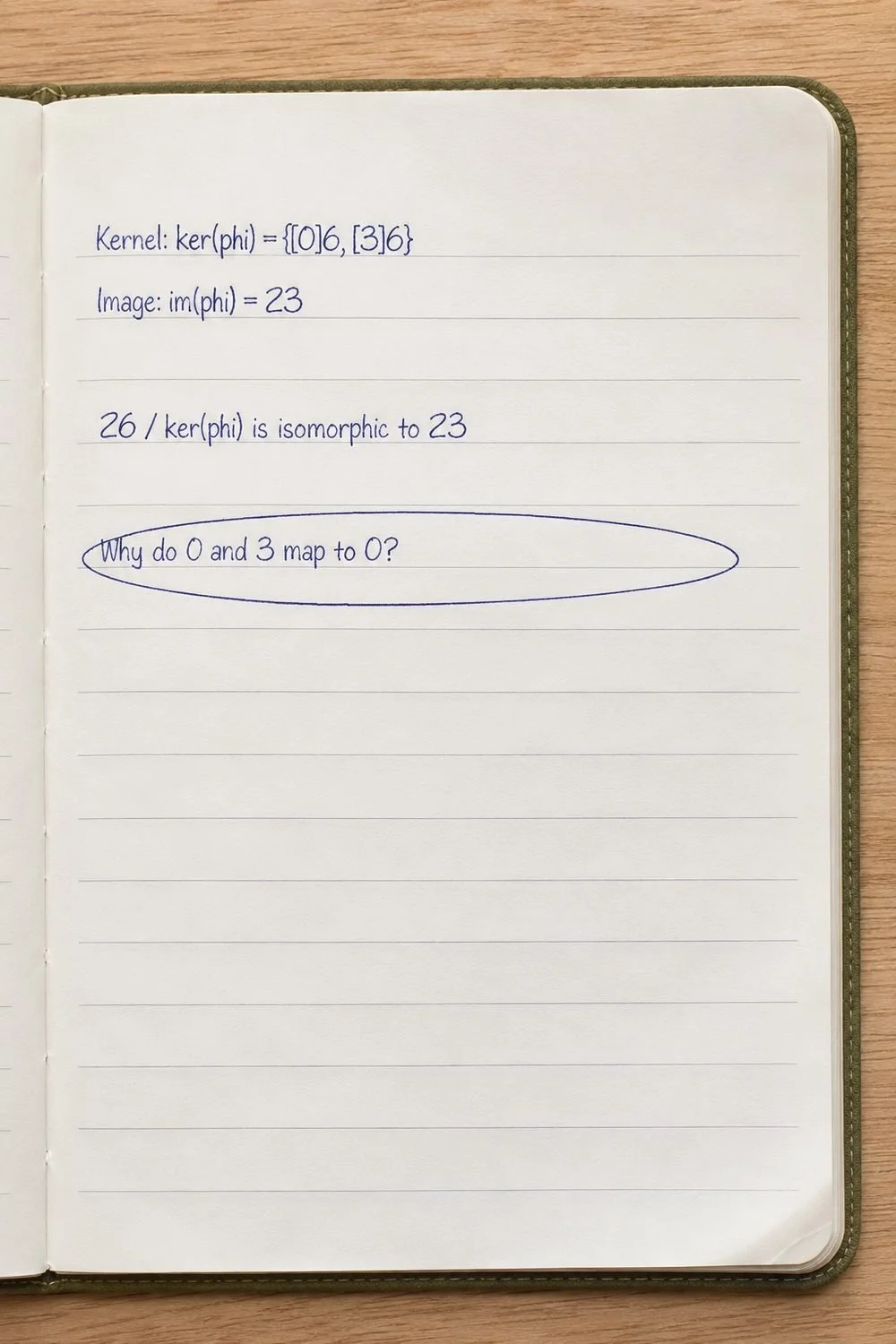
Circle the first step you can’t explain yet, then bring that page to the visit.
If you know a definition but can’t use it, try, “Could you show me an example of this concept and explain what makes it fit?” Then ask about a case that feels close: “Would this second example count too? Which detail changes the answer?”
For a made-up biology example, you might say, “I can name diffusion and osmosis. I get mixed up when I read a new situation. What should I look for to tell them apart?” You’ve named what you know and the task that causes trouble.
If you can repeat the steps but don’t know why they work, ask, “Why does this step follow from the one before it?” Stay with one connection. A request to explain the entire chapter again gives you much more to sort through.
Research offers some support for explaining those links yourself. A review of self-explanation studies found benefits from prompts that ask learners to explain connections while studying or solving problems. The studies covered different tasks and settings. They don’t show that one office-hours script raises grades.
You can try the idea during the conversation: “Can I explain the difference back to you so you can check it?” Use your own words, even if they’re less neat than the definition in your notes.
What to Ask About an Assignment or Feedback
Point to one direction, comment, or section of your work and ask what it means for your next choice. Bring the assignment instructions with your draft or marked work.
For an essay, a made-up question could be, “The prompt asks me to compare these two accounts. My draft describes each one in a separate section. Where could I show the comparison more clearly?” You’ve given the professor a question they can answer by looking at a specific part.
If a comment says your evidence needs work, ask, “Could we look at this paragraph? Is the issue the source I chose, how I used it, or how I explained the link to my claim?” The answer may be something else, too. Leave room for the professor to tell you what they see.
For a missed test question, try, “I chose this answer because ___. Which part of that reasoning went off track?” Rutgers’ office-hours guidance suggests reviewing a returned test and finding unclear concepts before the meeting. Bring the reasoning behind your choice along with the mark you received.
Keep the next question focused on a move you can make: “Could I explain how I’d revise this part before I leave?” Your instructor may set limits on draft review or on help with assessed work. Use the kind of help your course allows.
If you need to review more of the course before choosing a question, making a study guide can help you collect the topics. For this visit, select the part you most want to work through.
What to Say When the Answer Still Doesn’t Make Sense
Tell your professor the first new word or step you lost. You can ask a follow-up before the explanation moves farther ahead.
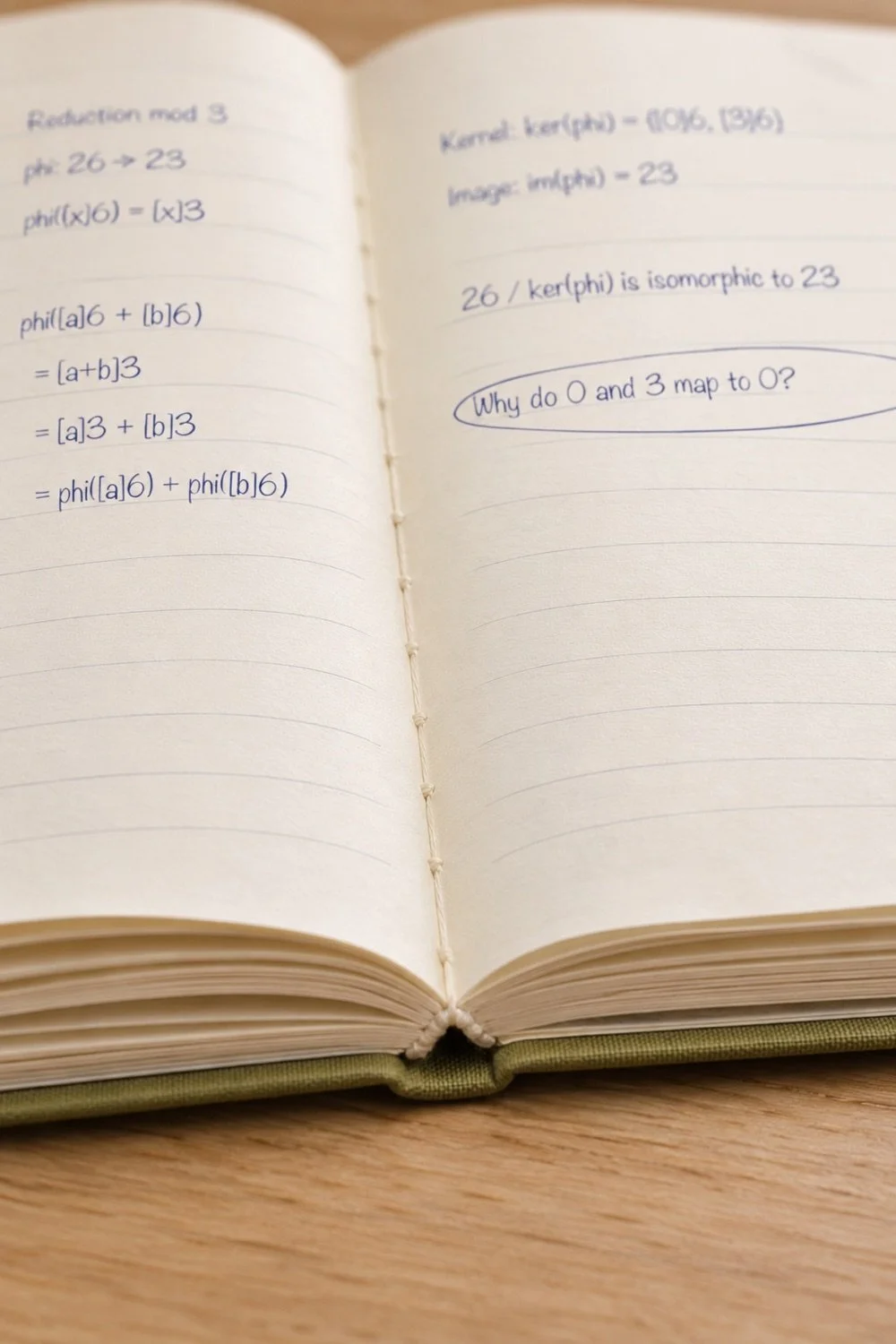
Keep the page open so you can point to the first step you want to ask about.
Try, “I followed you through this line. Could we go back to how you got the next one?” Or say, “I don’t know what that term means in this example. Could you define it here?” You don’t have to wait until the end to mention that the explanation has left your question behind.
Stanford’s advice for office hours includes asking for clarification when an answer is confusing or uses an unfamiliar idea. A follow-up gives the conversation a chance to meet the gap you still have.
If your mind goes blank, use the page. Point to the part you understand, then the part you don’t. “This line makes sense to me. This one doesn’t yet” is enough to keep talking.
You can also ask for a different way into the idea: “Could we draw what’s happening?” or “Could we use smaller numbers for one example?” Pick a format that helps with this question. The goal is to understand this step well enough to use it.
In group office hours, listen for the part of another student’s question that matches yours. When there’s room to join in, say, “My question connects to that last step. Could you explain why that rule applies?” Keep private grade or personal details for a suitable private conversation.
How to Check What You Learned Before You Leave
Explain the answer in your own words, then try a step without copying it. That shows you what you can use and what still needs a question.

Pack the page with your question so it comes with you to office hours.
You might say, “Let me check that I’ve got this. I choose this method because ___. Then I start by ___. Is that right?” Give a reason along with the step. If you’ve missed a condition, your professor has a chance to point it out.
Ask one closing question about practice: “Which problem would be useful to try next?” or “What should I check to see whether I’m using this correctly?” You’re leaving with a task tied to the question you brought.
Later, close the worked example and try that task. If you want more ways to practice recalling ideas from memory, use active recall when you study. Check your attempt against an allowed answer, class example, or course resource afterward.
If you’re still stuck, keep the new attempt. Your follow-up can say, “I tried the problem we discussed. I can now do the first two steps, but I’m unsure about this choice.” That gives the next conversation a clear starting point.
For your next visit, put one question beside the page it belongs to. Start with: “Here’s what I tried. Could we look at this step together?”
You Might Also Like
How to write practice questions from your class notes
How to study with the Feynman technique