You know the feeling: you wash your face after a cold walk home, and ten minutes later your cheeks feel tight and your lips are already peeling. A winter skincare routine doesn't have to be a whole new shelf of products. Most of the work comes from a gentler cleanser, a thicker moisturizer, and a few habits that keep moisture in.
This guide walks through a morning routine, a night routine, and the small swaps that help when the heater in your room runs all day. Everyone's skin is different, so if something stings or makes your skin worse, stop using it. If dryness, itching, or cracking doesn't improve, a dermatologist or your campus health center can help.

Why skin gets dry in winter
Cold outdoor air holds less moisture, and indoor heating dries the air even more. Moving between the two all day (from a freezing sidewalk into a toasty lecture hall and back) leaves skin with less water to hold onto. Hot showers, which feel amazing in January, can strip away some of the oils that keep your skin comfortable.
That's why the same routine that worked in September can feel too harsh by December. The fix is usually adjusting what you already do rather than starting over.
A winter skincare routine for the morning
Keep the morning short. Wash gently with lukewarm water and a small amount of a gentle, fragrance-free cleanser. Use your fingertips and skip the scrubbing.
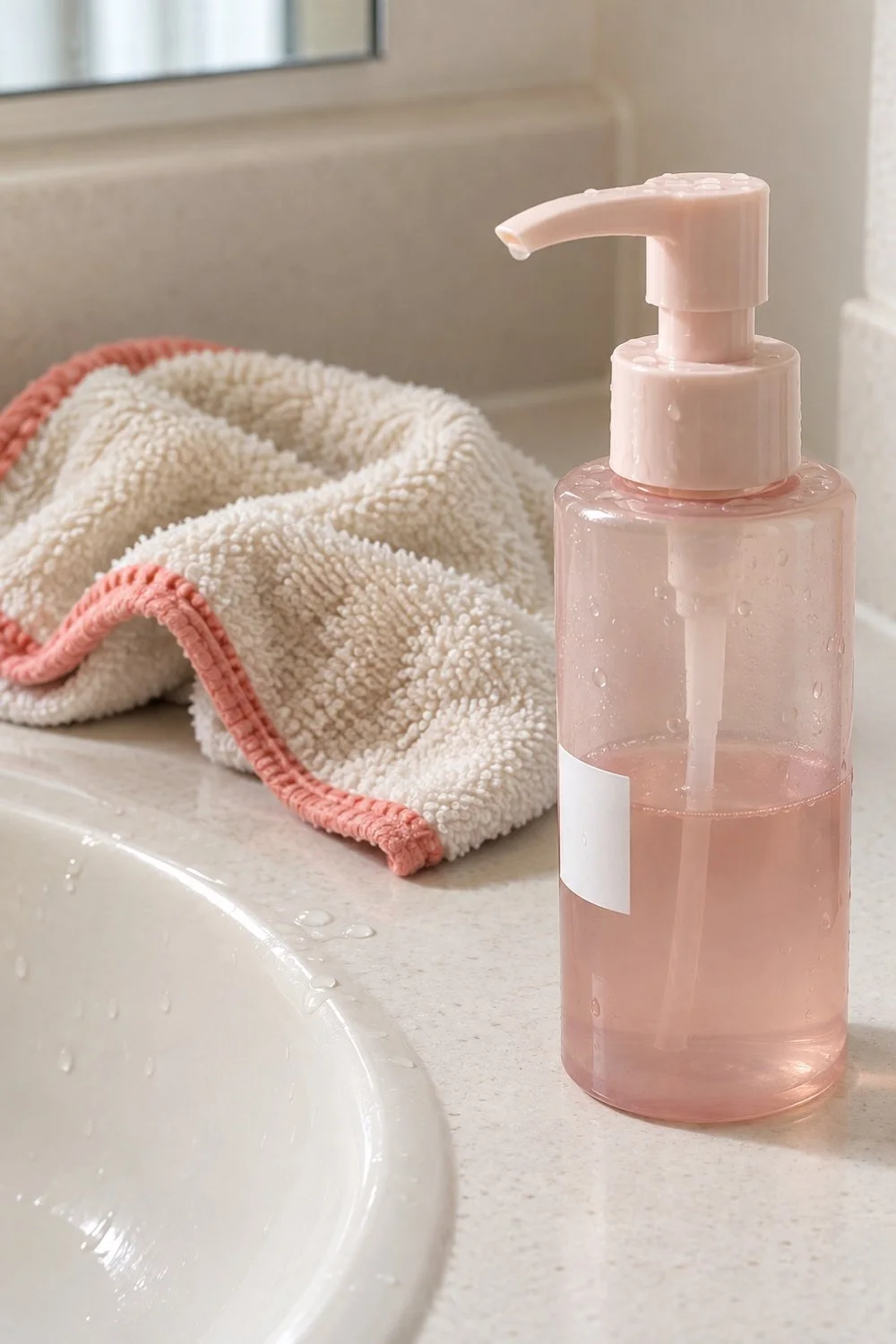
Pat your face mostly dry with a soft towel, leaving it a little damp. Apply moisturizer right away. A cream usually holds moisture better than a lightweight lotion or gel, especially on cheeks and around the nose.
Finish with a broad-spectrum, water-resistant sunscreen with SPF 30 or higher. The American Academy of Dermatology's sunscreen guide recommends it on skin not covered by clothes when you go outside, even in winter. Follow the label and reapply about every two hours outdoors, or after swimming or sweating. A moisturizer with sunscreen can save a step if it meets those same needs and you apply enough.
Add lip balm before you leave
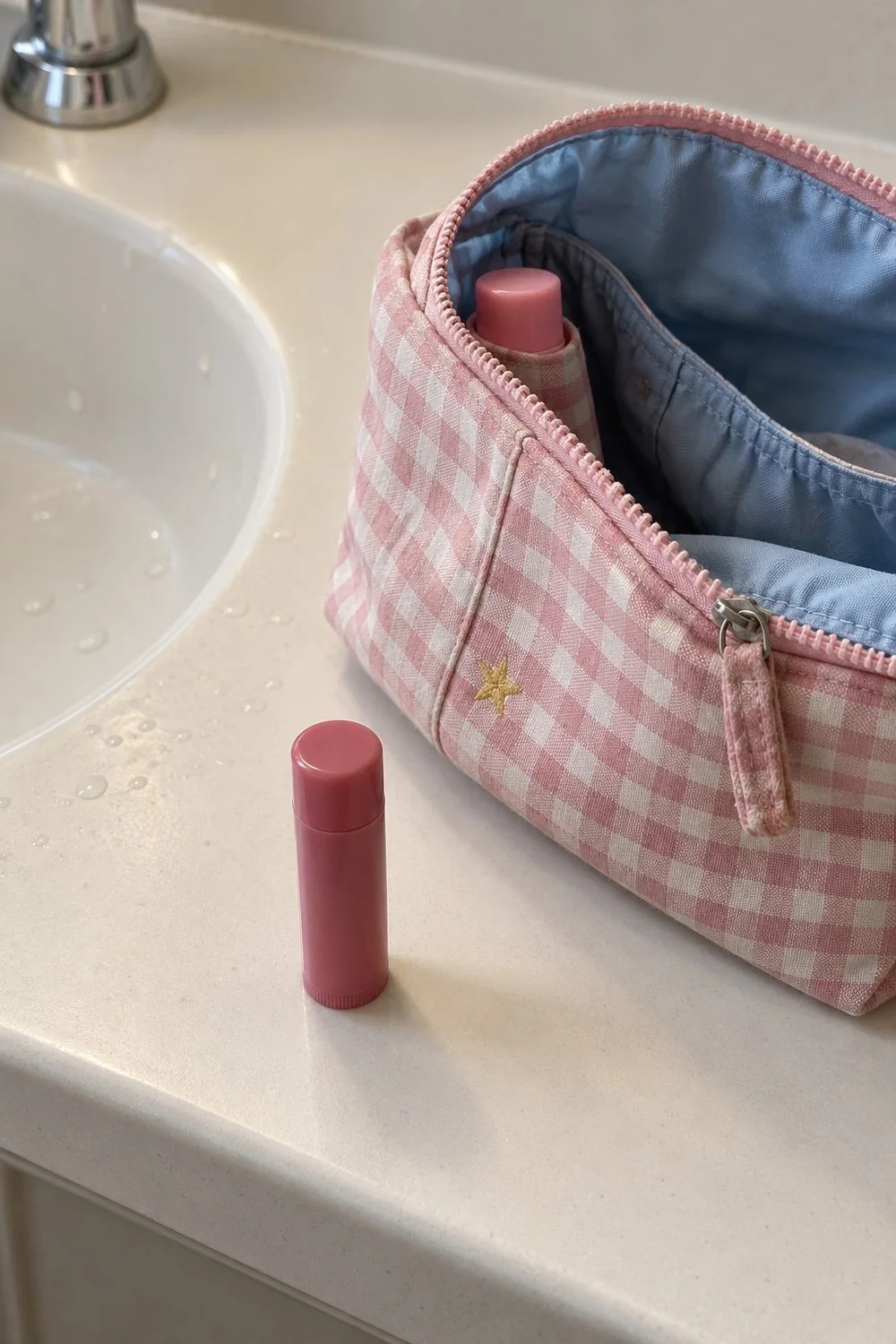
Use a lip balm that feels soothing and doesn't sting or tingle. For outdoor time, choose SPF 30 or higher and reapply every two hours, as the AAD's tips for chapped lips advise. Keep a thick, non-irritating balm by your bed too. A berry or rose tint adds a little color with a winter scarf.
A winter skincare routine for night
At night, wash off sunscreen and the day with a gentle, fragrance-free cleanser. Look for a cleanser labeled gentle and moisturizing. Use lukewarm water and keep it quick.
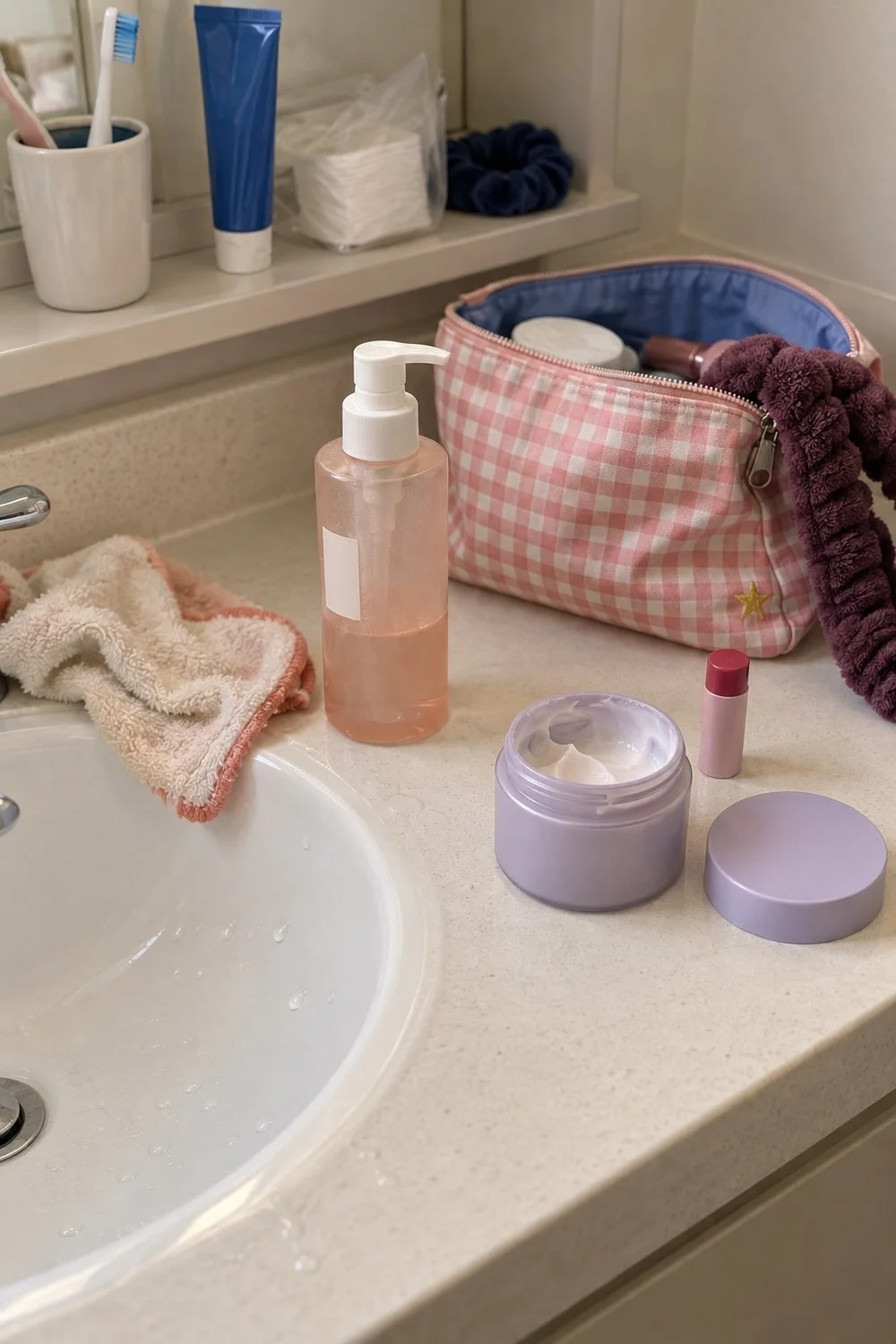
Apply a thicker moisturizer while your skin is still slightly damp. If your face feels tight, add a little more on the driest spots. Some people like to layer a thin coat of petroleum jelly or a balm over especially dry patches, like the sides of the nose or the corners of the mouth.
Retinol and exfoliating acids can irritate dry winter skin. If your skin stings, flakes, or turns red, ask a dermatologist how to adjust your routine. Check with your prescriber before changing a prescribed skin treatment.
Swap to a thicker moisturizer
Moisturizers come in a few textures. Gels feel light and absorb fast. Lotions are a little thicker. Creams and ointments are the richest and hold the most moisture in place.
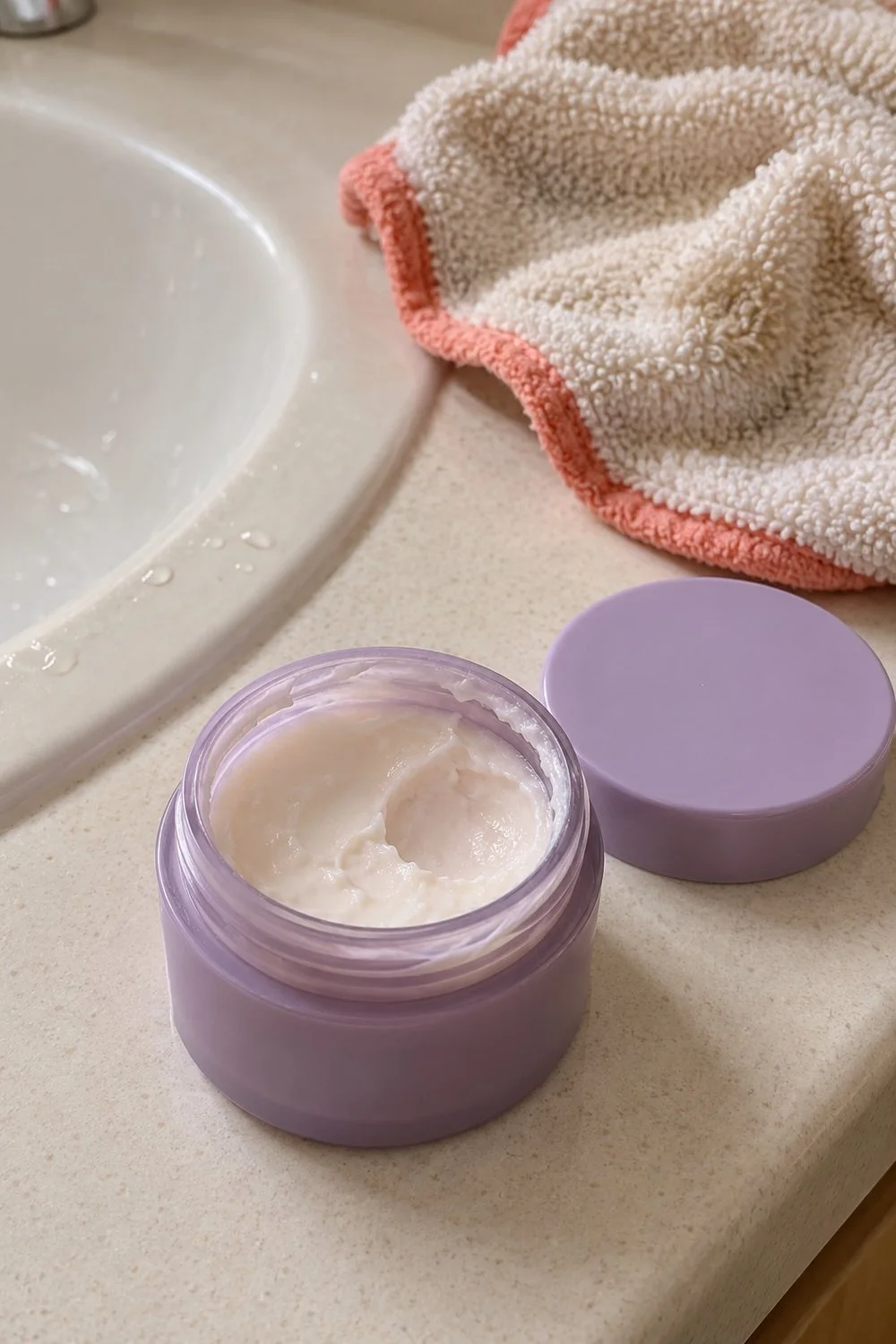
The AAD's tips for relieving dry skin suggest using a cream or ointment rather than a lotion and applying it within a few minutes of washing. They also recommend fragrance-free products, which tend to be gentler on dry skin.
You don't need to replace everything. If you love your current moisturizer, try adding a thicker cream at night only. Look for ingredients like ceramides to support the skin barrier, or glycerin and hyaluronic acid to help it hold moisture.
Keep hot showers short
A long, steaming shower after a cold day is hard to give up. But hot water can leave skin drier. Try turning the temperature down to warm and keeping showers to around five to ten minutes.
Moisturize your body right after you step out, while your skin is still a little damp. Keep a tub of body cream in your shower caddy so it's there when you need it. Your hands, elbows and shins usually need it most.
The Cleveland Clinic's winter skincare advice also suggests warm water and thicker moisturizers for dry winter skin.
Small changes for dorm rooms and heated apartments
Dorm heaters can make the air feel like a desert. A small humidifier on your desk or nightstand adds a little moisture back into the room.
Drink water through the day and keep a water bottle in your bag. Wear soft gloves and a scarf on cold walks to protect your hands and face from wind. If your scarf is wool and makes your chin itchy, layer a soft cotton or silk scarf underneath.
Swap scratchy pillowcases and towels for soft ones if your face feels irritated, and wash them often. Fragrance-free laundry detergent can be a gentler choice if your skin reacts easily.
Wash your hands often (especially during cold and flu season) and follow up with hand cream. A small tube in your coat pocket is easy to reach after class.
Signs to check with a professional
If your skin stays dry despite these changes, see a dermatologist or visit your campus health center. Ask for help sooner if it cracks, bleeds, or itches enough to keep you awake. You don't need to wait until it hurts. A clinician can check for conditions like eczema and suggest care that fits your skin.
A sample winter skincare routine for a busy week
Here's what a simple winter routine can look like when you have early classes and late nights.
In the morning, wash gently with lukewarm water and a gentle cleanser, pat mostly dry, and smooth on a cream moisturizer. Follow with sunscreen, then lip balm on your way out. That's three products and about three minutes.
During the day, keep hand cream and lip balm in your bag or coat. Reapply lip balm after meals and hand cream after washing your hands. If your face feels dry by afternoon, try a dab of moisturizer on the driest spots.
At night, use a gentle cream cleanser, then apply a thicker moisturizer while your skin is still a little damp. Add a balm to dry patches if you need it. Put lip balm on right before bed so it has all night to work.
Once a week, check in with your skin. If it feels comfortable, keep going. If it feels tight or flaky, try adding a richer cream or cutting back on any stronger products. Small adjustments usually work better than a whole new lineup.
What to pack in a winter skincare bag
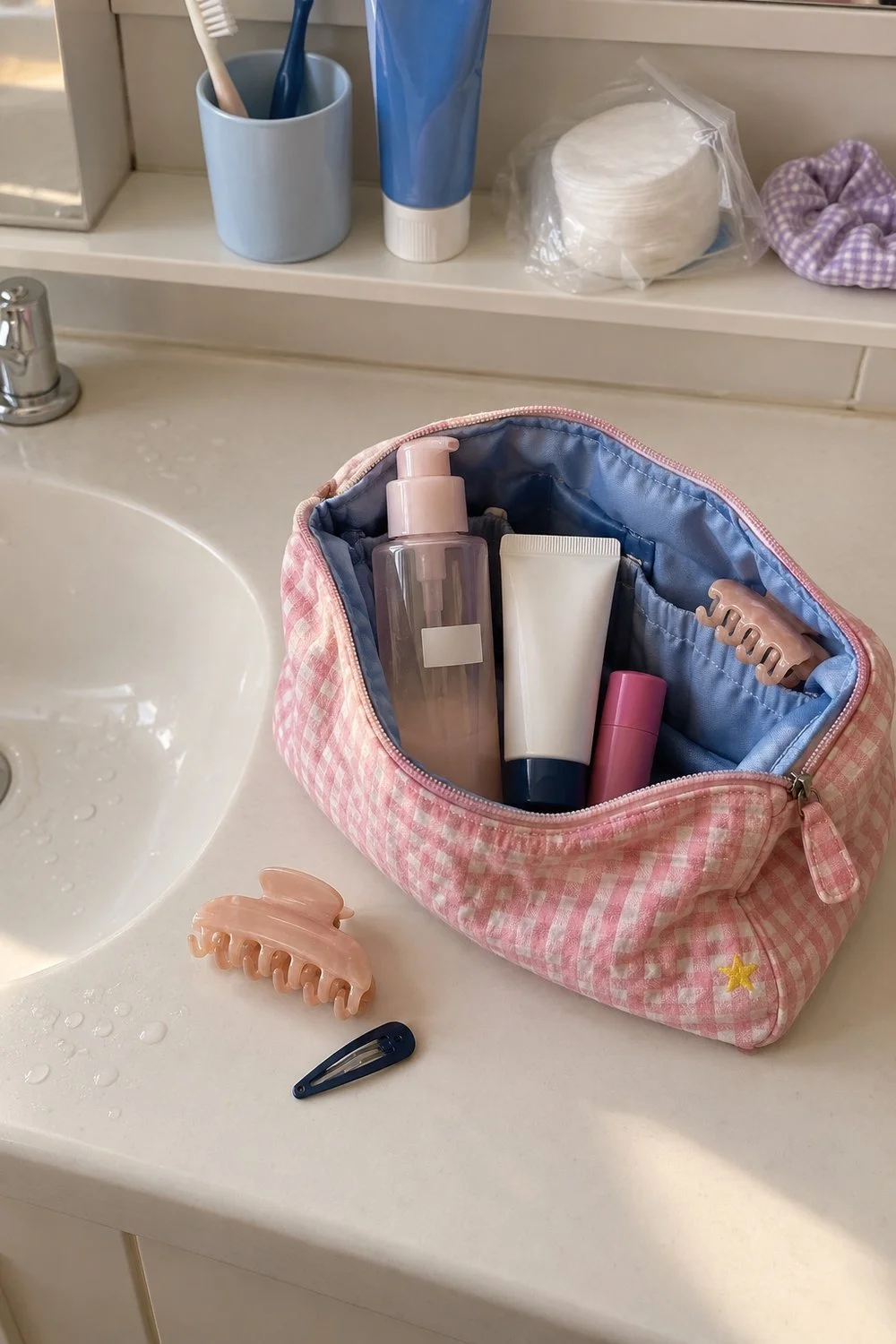
If you split time between a dorm and home over the holidays, a small travel bag keeps your routine easy. Pack a travel-size gentle cleanser, your moisturizer, sunscreen, lip balm and hand cream. A small tub of balm is handy for dry patches after a long car ride or flight, since cabin air can feel dry too.
Makeup that plays nicely with dry skin
Dry skin can make foundation look patchy. Moisturize first, wait a few minutes, then apply a hydrating foundation or skin tint. Cream blush and cream bronzer usually sit better on dry skin than powders.
If you use powder, keep it to areas that get shiny, like the forehead or nose. If your makeup looks dry, try using less powder next time.
For a cozy winter look, a berry cream blush on the cheeks and a tinted lip balm in the same shade looks so pretty with a cream sweater and gold hoops.
Build your winter routine one swap at a time
Start with the change that fits your skin best. For a lot of people, that's swapping to a thicker night cream and turning down the shower temperature. Add a humidifier or a richer lip balm if you still feel tight by midday.
A calm night routine can be part of how you wind down after a long day. Our self-care day ideas for students include a few low-cost ways to fit it in. For dorm-friendly comforts, these cozy self-care products for college students are worth a look too.
Our favorite small upgrade? A thick lip balm on the nightstand and a hand cream in every coat pocket. They get used all winter.
You Might Also Like
The cozy winter bucket list for students
How to sleep better in college