Fall Friend Dates for a Student Budget
A fall friend date can start with a walk, a library visit, or a warm drink you bring from home. Choose one thing to do together, agree on a spending limit, and leave room for the part you came for: catching up with your friend.
You can plan around a spare hour between classes or an afternoon off work. A friend date also gives you a way to see one person when the whole group cannot find a free day. A short plan can fit into the week you already have.
The ideas below use a budget you choose. The dollar amounts are spending limits to discuss, rather than prices for a specific place. Check local costs, opening hours, weather, and transport before you settle on a plan.
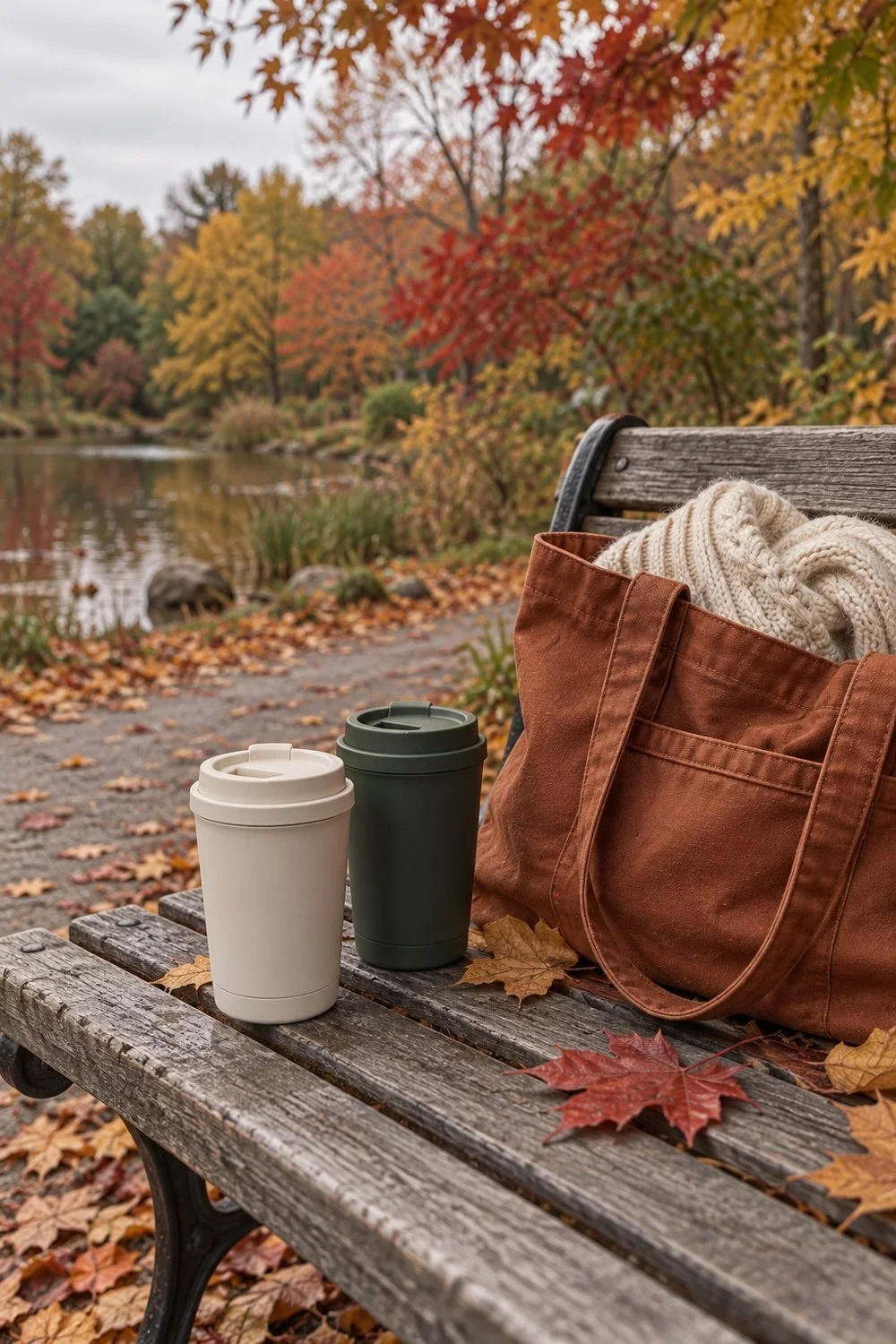
Choose the budget before choosing the place
Tell your friend what works for you while you are making the plan. “I would love to see you this weekend. Could we keep it free?” gives you both a place to start. You can also suggest a limit per person if you have a little money set aside.
Count the whole trip. A low-cost activity may still need a bus fare, parking, a ticket, or food. Work those into the plan before deciding how much is left to spend. If someone is driving, agree on any shared travel cost before leaving.
Set the time as well as the budget. An hour after class can work for a walk. A library visit and lunch from home might need a free afternoon. Choose an end time that leaves room for work, school, and getting home.
You can each pay for your own purchase or agree to split one shared item. Ask first so no one has to guess at the counter. If the outing only works when someone buys more than they planned, choose another one.
For a broader mix of ideas throughout the season, save our fall bucket list for students. This guide helps you turn one of those ideas into a plan for two.
Take a leaf walk with drinks from home
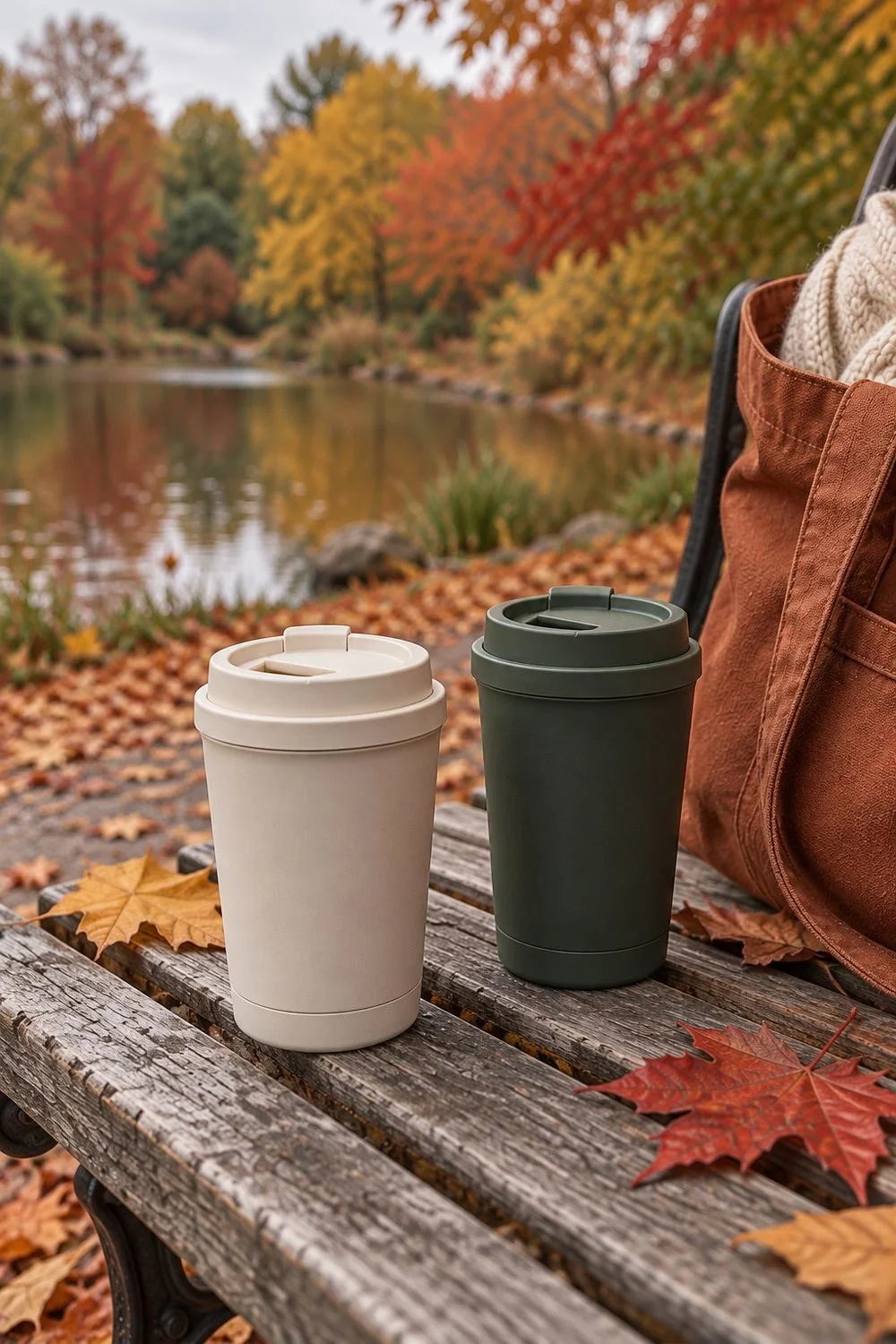
Choose a familiar public path, campus loop, or neighborhood route where you can walk together. Check access and the forecast. Pick a time with enough daylight for the route and the trip back.
Bring a drink in a suitable closed travel cup if you have one. Water works too. You can make the stop part of the walk by choosing a bench where you can sit for a bit. Leave the route open enough to pause when you find a view you like.
Look for three things you want to remember: a red tree, a porch with pumpkins, or leaves along a stone wall. You can take photos on your phone without turning the whole walk into a photo session. Ask before taking or posting a picture of your friend.
Keep this one free
Start somewhere you can reach without paying for extra transport. Bring what you want to drink and skip the shop stop. You can choose a shorter loop if the weather changes or you only have half an hour.
A free plan works best when it is free for both of you. Check that your friend also has a way to reach the meeting point. If the route does not suit either person's access needs, choose a different place to spend the time.
For more short plans that fit between classes, try these things to do with college friends. An outing can be worth putting on the calendar even when it lasts an hour.
Pick books for each other at the library
Meet at a library you can use and check its hours first. Choose a small mission for the visit. You might each find a book with a fall-colored cover, a story you loved in school, or something you think the other person would enjoy.
Give yourselves time to browse, then meet again to show each other your picks. Talk about what caught your eye. You can add the titles to a reading list, borrow a book if you have access, or leave the books on the return cart the library provides.
Check the rules before taking drinks or food inside. Save longer conversations for an area where talking is welcome. If you want a quiet reading stop, choose your books first and agree on when to pause and chat again.
Add a snack within the limit you chose
You might each set aside up to $5 for a snack afterward. Check the actual menu before ordering and choose something that fits. That limit is an example you can change together, including choosing to spend nothing.
If you bring food from home, choose a place outside the library where eating is allowed. Keep the plan tied to time together, whether that means a picnic bench or heading home for lunch.
Browse a secondhand shop with one small goal
Choose a secondhand shop you can reach and check its opening hours. Decide whether this is a browse-only trip or whether you each want to set a purchase limit. You can look for a scarf, a frame, or a plate for your next night in.
One goal can give you a reason to compare what you find. Look for the funniest mug or a sweater in a color your friend loves. You can show each other the finds and leave them on the shelf if you do not want to buy them.
If you are shopping, decide what you need before you go. Check the item for wear and read the store's return policy. Include cleaning or repairs in what you are willing to spend.
Keep the outing from becoming a shopping list
You can enjoy looking without bringing anything home. Say that at the start if you want the visit to stay free. A photo of a find, where the shop allows photos, can be enough to remember it.
Pair the visit with a short walk or a meal you already planned to eat. That gives the afternoon an end point. You can go home with a story about the strange lamp you found and still keep your budget.
Bring lunch to a fall picnic spot
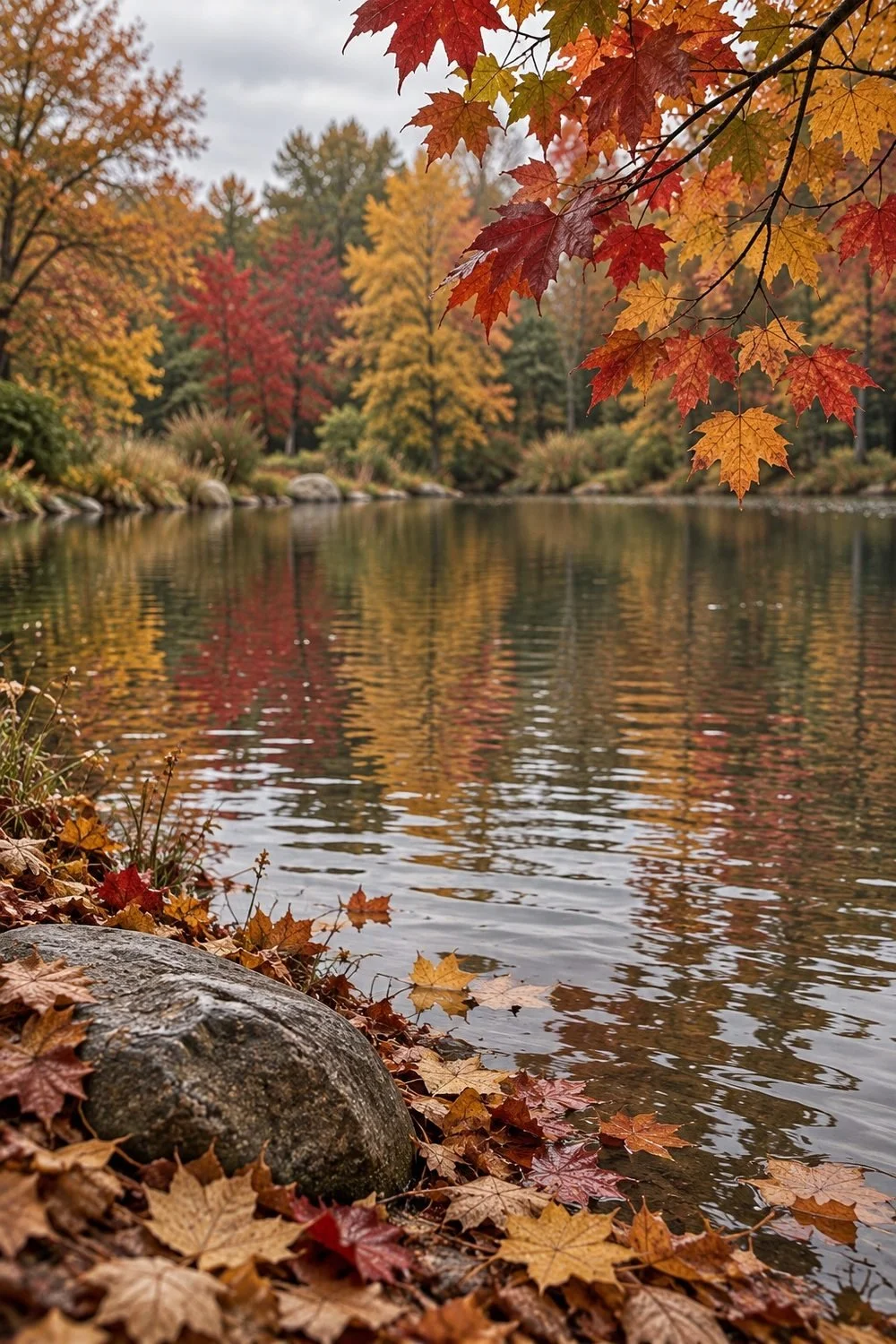
Choose a public place where picnics are allowed, with seating and a route that suits you both. Check the weather and opening hours. A campus courtyard or a park near home can give you a place to meet without a long trip.
Bring the lunch you would have eaten that day. You can each bring your own food, water, and any cutlery you need. This keeps the plan from turning into a full grocery trip for a themed picnic.
Pack food for the trip and follow its storage needs. Choose food you can transport and eat safely. If you want to share, check food allergies and agree on what each person brings before packing.
A bench or picnic table can be more useful than a blanket if the ground is wet. Bring what you already own and leave the decorations at home. The leaves and your view can be enough for the setting.
Plan the rainy-day version at the same time
Choose an indoor place where you can eat your own food if the picnic falls through. Check that it is open and that outside food is allowed. You might use a shared lounge with permission or meet at one person's kitchen table.
Our guide to things to do with friends at home has more indoor options. You can change the place while keeping the time you set aside for each other.
Make one warm-drink stop the whole outing
If you both want a coffee shop visit, choose the shop and look at its current menu before you go. Set a limit that covers what you each want to order, including tax and any tip you plan to leave. You can order different things and pay for your own.
Pick a time when you can sit and talk without rushing. Check whether seating is available and follow the shop's rules. If it is crowded, enjoy the drink on a nearby public bench where sitting is allowed, or choose another day.
You can bring a question to start the conversation. Ask what your friend is looking forward to this month or which part of the week they have enjoyed. Let the chat move on from there instead of working through a list.
If your free time rarely lines up, plan the next date before you leave. These ideas for staying close when schedules change can help you choose a rhythm that fits you both.
Put one friend date on the calendar
Choose the plan you both want to do, then settle the place, time, budget, and trip home. Save the rainy-day choice in the same message. That gives you a plan you can use when the day arrives.
You can take turns choosing the next outing. One friend picks a leaf walk this time. The other chooses the library next time. Keep the budget conversation open so the plan can change with the month.
For a group night after your one-on-one catch-up, you can plan a pumpkin-painting night or small-space Friendsgiving. Share the jobs and choose the group size that fits your room.