How to Host Friendsgiving in a Small Space
You can host Friendsgiving in a small space by matching the guest list to your seats, sharing the food, and giving serving dishes their own spot. A kitchen table, a few borrowed chairs, and a meal everyone helps bring can make a lovely night together.
For your first Friendsgiving, start with the way you want the evening to feel. Maybe everyone sits down for dinner, then stays for pie and a card game. Maybe it is an afternoon meal before friends leave town for Thanksgiving. Once you choose that part, you can plan the room and food around it.
Here is how to work out the seats, menu, timing, and leftovers so you can spend time with the people you invited.
Start with seats and a date your friends can make
Choose your guest count by looking at where people can sit and set a plate. Pull out the chairs before sending invitations. Leave space to get in and out without moving someone else's dinner.
If your table seats four, begin with four people. To add a place, check whether a borrowed chair can fit while leaving a clear path to the kitchen and door. Use furniture for its intended purpose, on a flat floor, with room for the person sitting there.
A coffee table and couch can work for a casual snack gathering. For a full meal with several dishes, plan a steady place for each person to eat. The room can guide the kind of gathering you offer.
Ask about dates before the holiday travel starts. Offer two choices in the group chat and choose the one that works for your group. Friendsgiving can happen on a weekend afternoon, a weeknight, or another day you have time together.
Put the start time and food plan in the invitation. “Friendsgiving at my place on Saturday at 5! I have room for four around the table. Want to bring a side or dessert?” gives friends something clear to answer.
If you are gathering a new group after graduation, these ideas for making friends after college can help you turn a shared interest into a plan. A small dinner also gives you time to talk with everyone who comes.
Share a menu that fits your kitchen
Plan the main dish first, then ask friends to claim sides, dessert, drinks, or supplies. Tell them what you can cook, reheat, and store. That helps someone choose a dish that fits the meal and your kitchen.
A whole turkey is one option. You can also plan a meal around roast chicken, a pasta dish, or a main that suits your group's food needs. Choose something you know how to prepare or can order within the budget you agree on.
For a four-person dinner, one main, two sides, bread, and a dessert gives everyone a clear job to share. Adjust the amount to your group and the dish. Ask people to say what they are bringing instead of leaving three friends to arrive with the same side.
Check food allergies and other needs while planning. Keep ingredient labels and packaging available for store-bought food. If a guest needs a specific food or separate preparation, talk with them before deciding how to handle it.
Agree on what each person brings
Use a shared note with the dish, who brings it, and anything it needs on arrival. A friend can add “ready to serve,” “needs fridge space,” or “needs the oven.” Ask them to bring a serving spoon if their dish needs one.
If you plan to split a shared order, agree on the cost before placing it. Give people a way to choose what works for them. Bringing drinks, bread, or plates can be a useful contribution to the night.
This is also a chance to use what you already own. Our guide to planning a low-effort hangout with friends has ideas for sharing a plan without adding more work than you want.
Give food, drinks, and coats separate places
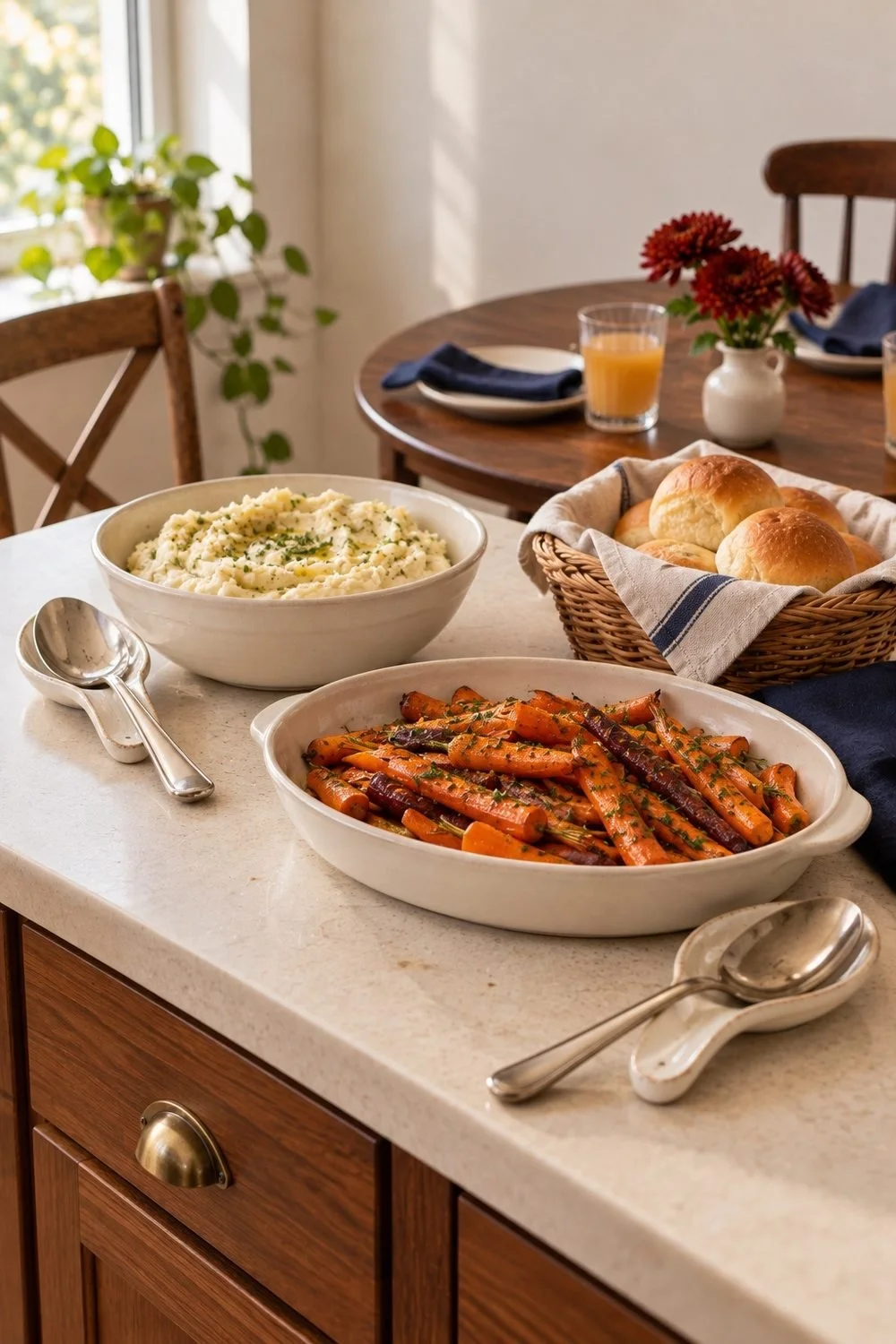
Use a counter or side table for serving dishes so the dining table has room for plates and conversation. Walk the path from the kitchen to a seat before setting everything out. Move anything that makes that route awkward.
Start the serving area with plates, then place food where friends can reach it. Keep serving handles within reach and hot dishes on suitable heat-safe supports. Put napkins and cutlery where people can pick them up without leaning across food.
Choose another spot for drinks. A small tray with cups, water, and cider keeps refills out of the cooking area. Keep glassware on a steady surface, away from the edge and from bags people may pick up.
Tell friends where they can leave coats and bags. A clear corner or a room you agree to use with your roommate can help keep chairs free. Leave the door and walking routes clear.
If you share your apartment, agree on the rooms, timing, and cleanup plan with the people who live there. For a dorm or shared lounge, check the space and food rules before you book it.
You can use the same room plan for other things to do with friends at home. Giving each part of the gathering a place helps everyone settle in.
Set a table with room for dinner
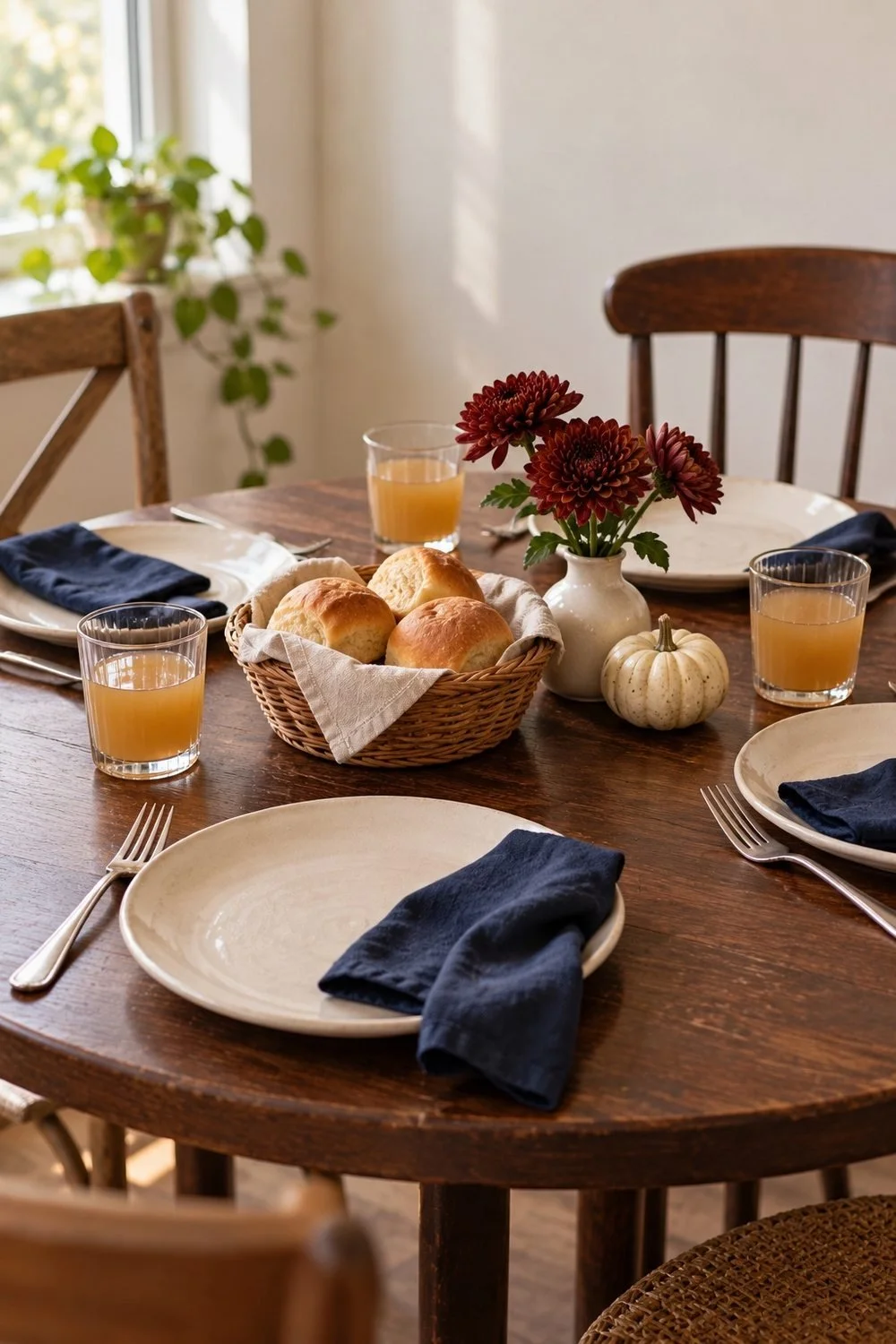
Begin with plates, cutlery, napkins, and glasses. Set each place, then see how much room remains. A few flowers in a low vase or one small pumpkin can bring fall to the table while leaving space to eat.
Use the plates and glasses you have, or borrow what is missing. Different pieces can sit together on the same table. A shared napkin color or a few flowers can tie them together if you enjoy choosing those details.
Keep decorations low enough for friends to see across the table. Check that a vase sits securely and will not catch a sleeve when someone reaches for bread. Move extra decorations to a shelf if the table starts to feel full.
For light, use the room lighting and lamps you already have. Battery-operated candles are an option if you like that look. Check your building rules and keep the cooking space clear of decorations.
The U.S. Fire Administration's cooking fire safety guidance says to stay with your pan and turn off the burner if you leave the kitchen. Plan decorations and guest space around a clear cooking area, then keep your attention on food while it cooks.
For a decoration friends can make ahead of dinner, try a separate pumpkin-painting night with your friends. Let the paint dry and keep painted crafts apart from food preparation.
Plan the last hour before everyone arrives
Write down what you want to finish before the doorbell rings. Clear the table, make room in the fridge, set out dishes, and get drinks ready. Leave time for the food you agreed to prepare.
Check which guest dishes need reheating and when. If two dishes need different oven temperatures, settle the order with the friends bringing them. Someone may be able to arrive with a dish ready to serve.
If you are ordering food, choose a pickup or delivery time that gives you room to receive it before dinner. Keep food at the right temperature and follow the supplier's handling directions. Save space for serving it safely when it arrives.
Ask a friend for a specific bit of help if you want one. They can set out cups, put bread in a basket, or greet someone while you finish cooking. Sharing a task can also give a guest a way to join in when they arrive early.
Once everyone is there, let the meal have time. You can ask who wants to start a card game after dessert or invite people to add songs to a playlist. Keep the plan open enough to enjoy the conversation already happening.
Make a plan for leftovers and cleanup
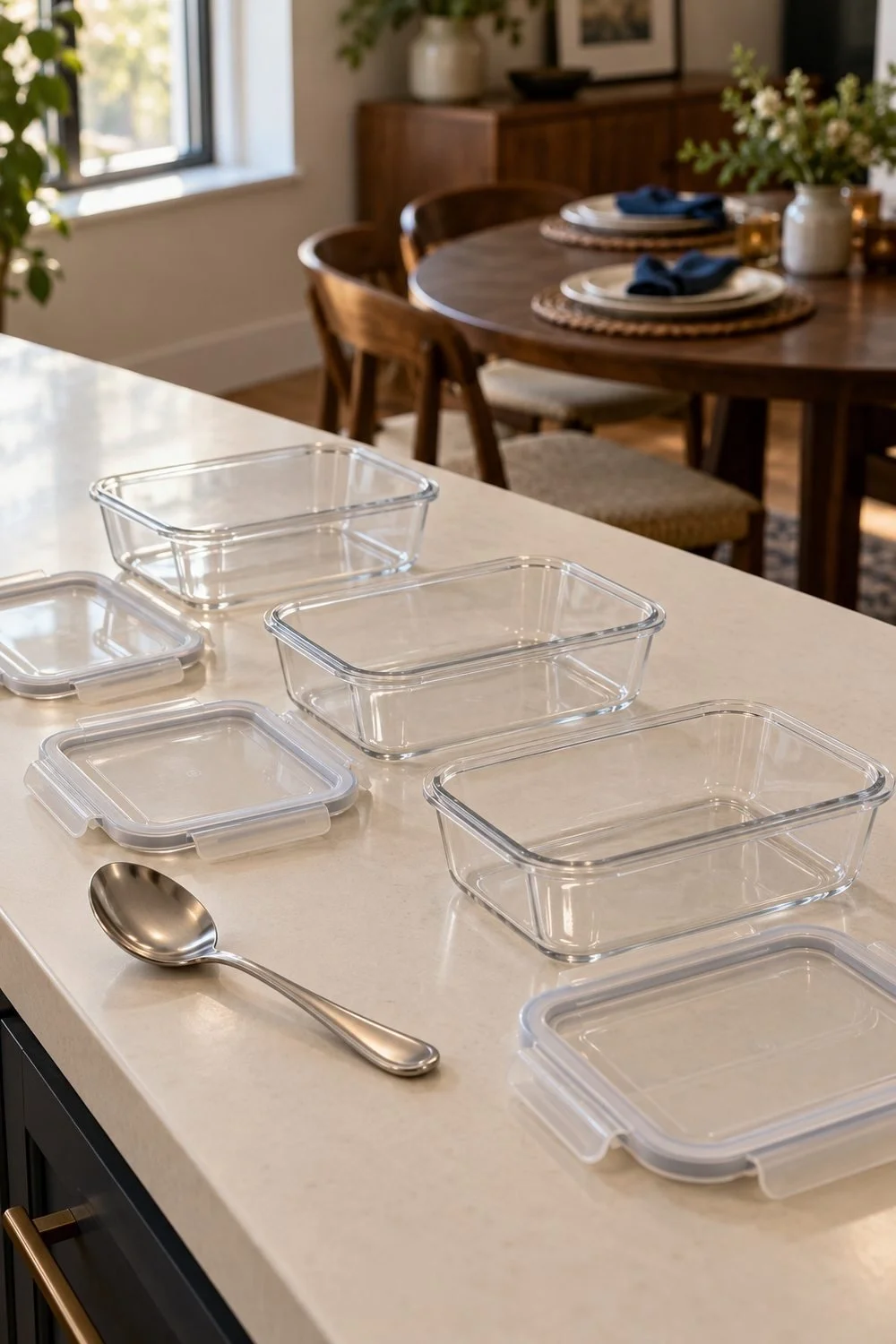
Clear space in the fridge before dinner and have shallow food containers ready. When friends bring food in their own dishes, ask whether they want the container back that night. Put a removable name label on a lid if several containers look alike.
The USDA's guidance for handling takeout and cooked leftovers says to refrigerate perishable food within two hours. That limit drops to one hour above 90°F. Include the time food spends sitting out, and use food-specific handling advice when you pack or store it.
Use shallow containers for leftovers so you can divide larger amounts into smaller portions. Follow the USDA's guidance for refrigerating hot food when you divide food into smaller portions. Make a safe plan for the trip home before offering someone a container.
You can ask two friends ahead of time if they can help after dinner. One can put dishes near the sink while another clears the table. Keep serving food and cleaning supplies in separate areas while you pack things away.
Before borrowed items leave, check the shared note for who brought each dish, spoon, or chair. Take a photo of the table if you want to remember your first Friendsgiving, and ask before sharing pictures of your guests.
Leave the group chat with one more plan to look forward to. A December breakfast, another dinner, or a book swap can give everyone a reason to get together again.
You might also like
Fall plans for a student budget
Fun things to do with college friends