You can catch up after missing a class by checking the course page, finding the notes, and working through the part you missed before the next lesson builds on it. Start with the class date and the next due date. Those two details help you choose what needs your time first.
Maybe you're back after being sick, or an appointment took longer than you planned. Either way, you can make a plan that fits the work in front of you. You don't have to guess what happened from a slide deck called “Week 8 FINAL final” (course files do have a certain naming style).
Here's how to find the right materials, ask for help, and return to class with useful notes and clear questions.
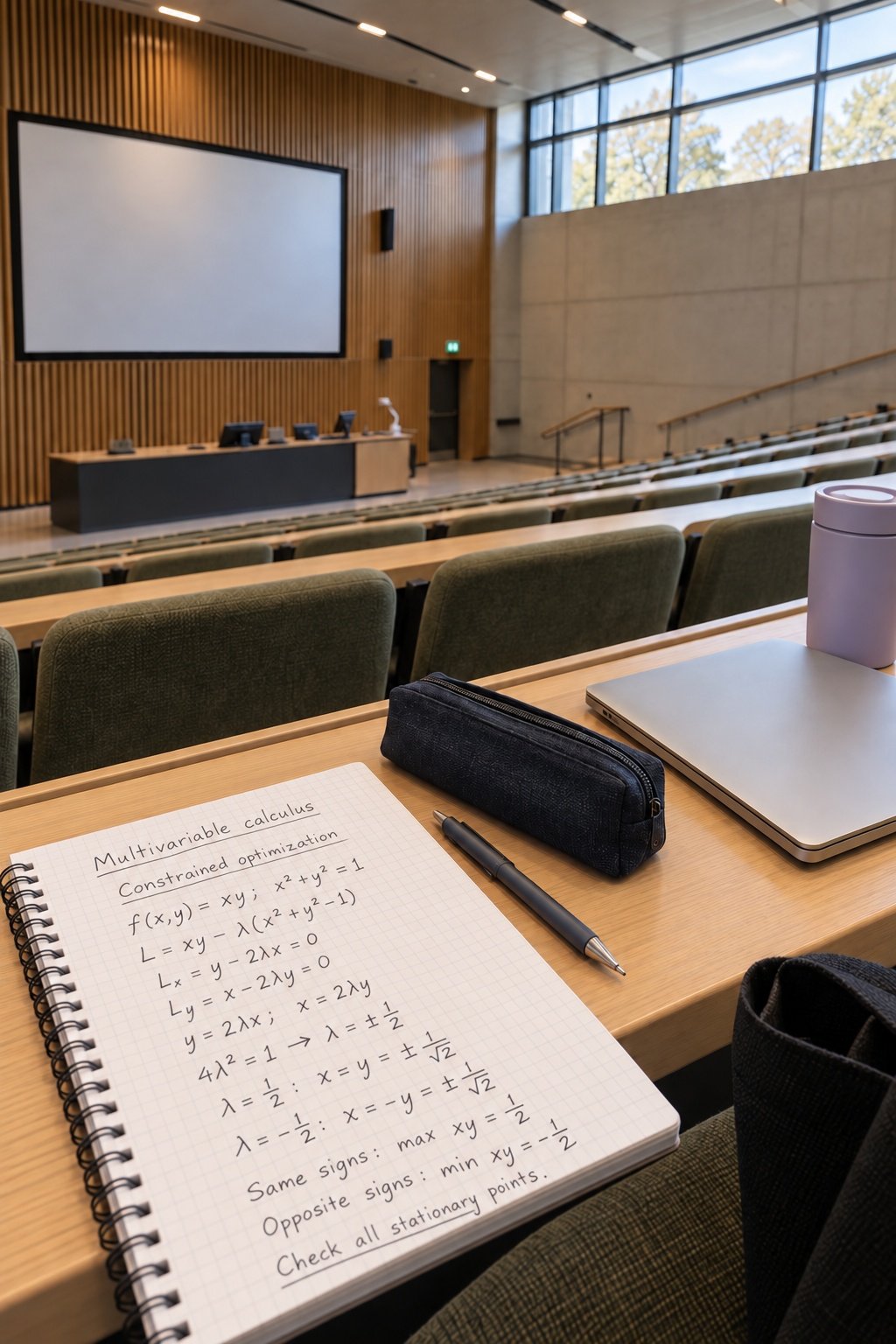
How to catch up after missing a class: check what changed
Open your course page and syllabus first. Check the date you missed, the topic covered, and any work due before your next class. Read new announcements too. A change to an essay date can matter as much as the lecture itself.
The University of Illinois recommends checking the attendance policy and uploaded class materials after an absence. Your own course rules decide what happens with attendance points and missed work. One professor's policy won't tell you how another class handles a quiz.
Make a short catch-up note for that class. Give it the date, the lesson topic, the materials you have, and anything you still need. You might have the slides but need a worksheet. You might have a recording but need to check whether a quiz took place. Write down those gaps while the page is open.
Check the next class as well. Look for a reading, problem set, or group task that uses the missed topic. This helps you see which part to learn first. Keep new deadlines in the same place as the rest of your course work. Our guide to organizing your syllabus and assignment dates walks through that setup if yours needs a refresh.
If you missed a lab, exam, presentation, or graded discussion, contact your instructor through the stated course channel as soon as you can. These may need a separate plan. Reading another person's notes doesn't replace a required activity, and a make-up option depends on your course.
Gather the notes and ask for the missing details
Use the class materials you already have, then ask a classmate for the parts you can't find. Slides, handouts, assigned reading, and a recording can each hold a different piece of the lesson. Keep them together in one folder or open them beside your notebook.
When you ask a classmate for notes, name the date and topic. Ask whether there were new deadlines or instructions too. Give them room to say no, and thank them if they can help. They're sharing their work, so check before passing their notes on to someone else.
If you don't know anyone yet, try the course's approved discussion board or ask someone sitting near you at the next class. You can ask your instructor where students are allowed to exchange notes. Keep requests within your course's rules, especially when graded answers or recorded sessions are involved.
The University of Southern Maine explains that borrowed notes still need your own thought and connections. Read them beside the official materials. A classmate may use a short phrase that makes sense to them but leaves you wondering what the arrow points to. Mark that spot as a question instead of guessing.
Keep borrowed notes separate from work you submit. You can use shared lecture notes to learn the topic, then follow your course rules for your own answers and citations. If you're unsure what sharing is allowed, ask before swapping files. Clear permission saves everyone a very awkward group-chat follow-up.
Send your instructor one clear message
Tell your instructor which class you missed, what you've checked, and what you still need help with. Follow the contact and absence steps in your syllabus. If it calls for a form or a message through the course page, use that route.
You can keep the message brief. Include your course name or section, the missed date, and your specific question. Explain any absence details the policy requires. You don't need to send private health details to a classmate, and you can ask your school which office handles any required records.
Use your catch-up note to shape the request. Ask where to find a missing handout, how to handle a missed quiz, or which office-hour time works for a question about the lesson. Share what you've already read so your instructor can see where you need help.
Keep requests clear about timing. If you need an extension, ask for it and wait for the answer. Sending an email doesn't change the due date by itself. Keep working on what you can complete while you wait, and check the course page for a reply.
If the hardest part is knowing how to start that conversation, our guide to talking with your professor about class covers the first approach. For this message, the useful details are the missed date, your current materials, and the question you need answered.
Work through the lesson with a question beside you
Learn the missed topic in small sections, and check what you understand as you go. Start with the lesson goals or main headings. Then read or watch one part and write the main idea in your own words.
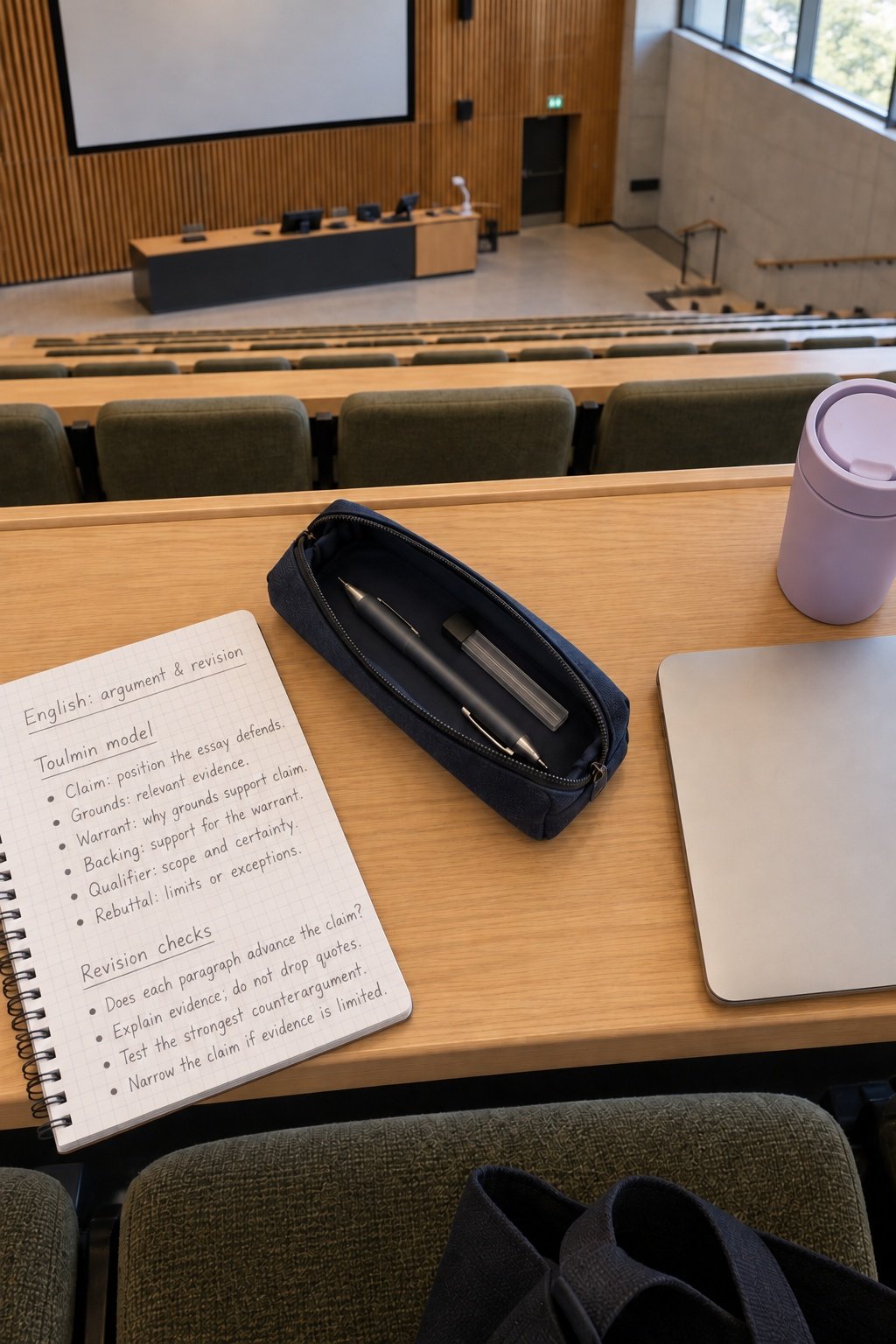
If a recording is available, keep the slides nearby. Pause when you need to work through a step or add a question. You can replay a hard part without turning the whole lecture into a word-for-word transcript. Your notes need enough detail to help you use the idea later.
For a math or science lesson, try a practice problem your class allows you to use. In a reading-based class, explain the main claim and point to the part of the text that supports it. In a language class, try the new pattern with a sentence of your own. Use the kind of work the class asks you to do.
Northern Illinois University recommends summarizing main ideas and filling gaps after a lecture. Keep one small space in your notes for questions you can't answer yet. Write enough detail to find the exact slide, page, or step again.
Then close the notes and explain one key idea aloud or on paper. Check your answer against the course materials. If you can name the idea but can't use it, return to the worked example and try again. Our guide to writing practice questions from class notes can help you turn that page into something you can test yourself on.
Fit catch-up work around the next class
Give the missed work a real spot in your week while keeping your next class on the calendar. Choose the first task based on a due date or a needed skill. Put a clear action beside the time, such as reviewing the first half of a recording or working through the assigned examples.
Leave room for the work itself. A lecture recording may take longer than its running time when you pause to write or solve a problem. If you only have a short gap today, choose a piece you can finish there. Put the next piece in another open block.
Keep your next lesson's reading and prep in view too. You can bring a question to class while you're still filling a gap from the last one. If a missed topic makes the next lesson hard to follow, tell your instructor or teaching assistant where you got stuck. Ask which part to work on first.
After each catch-up block, leave yourself a one-line note about where to start next. Name the page, video time, or problem number. Future you will appreciate opening the notebook to an actual starting point.
If you've missed several classes, make one overview of the remaining work. Add the due dates and mark the lessons that later work depends on. Bring that page to an advisor, tutor, or instructor so you can discuss a workable order. You don't need to figure out the whole course from scattered tabs.
Use your next class to close the last gaps
Return with the materials you have and a short set of specific questions. Read your catch-up note before class so you know which terms and examples to listen for. Add answers as they come up during the lesson.
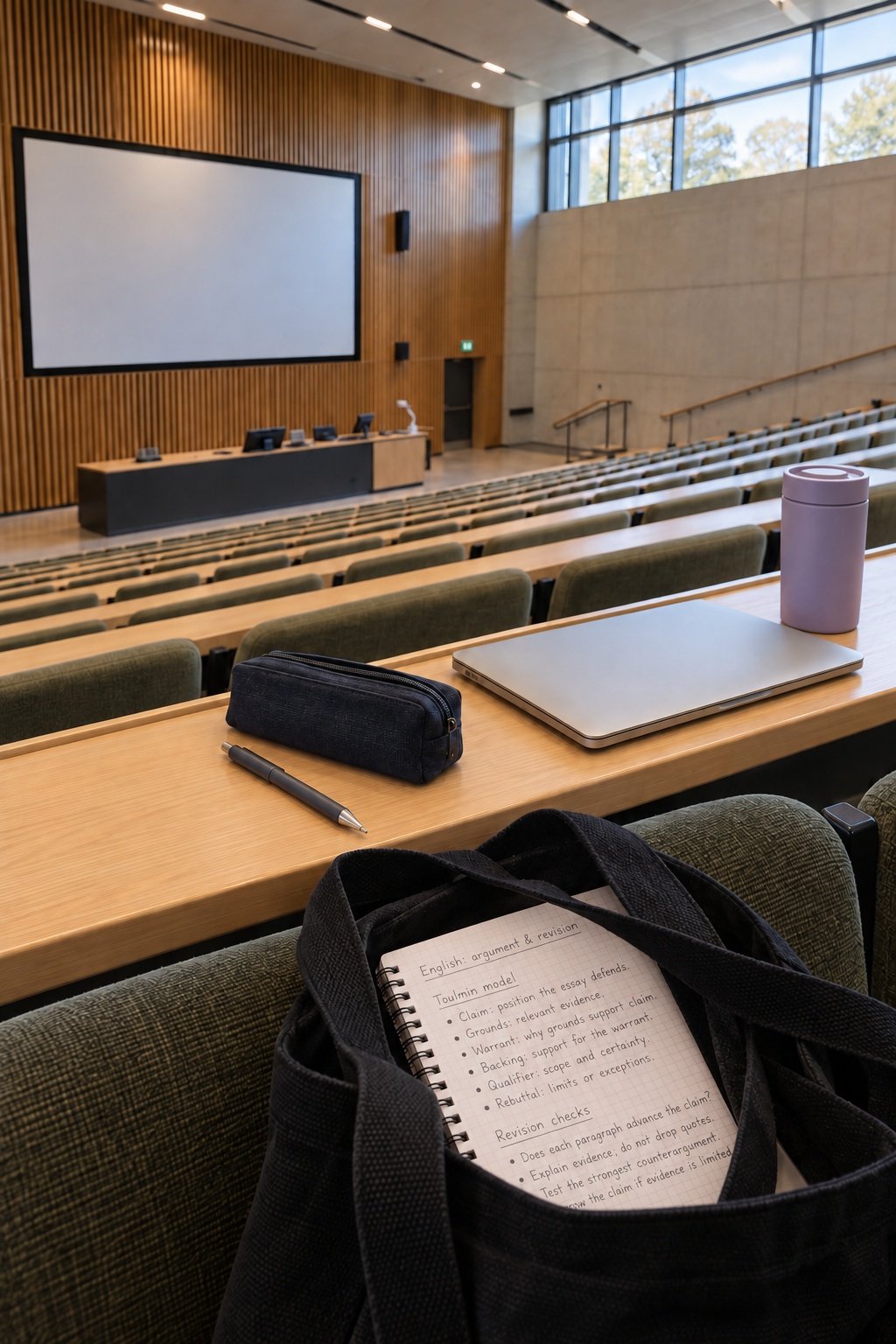
If a question remains, use office hours or the help route your course provides. Bring the exact problem, your attempt, and the point where you need help. That gives the conversation a place to start. If you're waiting on a make-up decision, check that separately through the right channel.
If an ongoing situation may affect attendance again, ask your school's student support or access office about the process for getting help. An advisor can also explain the course options available to you. Policies vary, so use your school's current guidance for any next steps.
Before you pack up, check the next due date and save your updated notes with the correct class date. Keep the question that still needs an answer visible. You'll know what to bring to the next help session, right down to the page number.
You Might Also Like
Try active recall during your study time
Find a study routine that fits your week