Reflection photography gives you another way to look at an ordinary scene. A puddle can hold the branches above a path. A window can catch a tree across the street. A small mirror on a table can show a bit of the room behind you. You can begin with a phone or camera and one reflection you can reach safely.
The fun is in finding the angle. A step to the side might move a bright wall out of the picture. Lowering your camera can give the reflection more room in the frame. You'll try a few positions, decide what you want to show and check the picture before you move on. There's plenty to notice in a small patch of water.
Start Reflection Photography with One Clear Shape
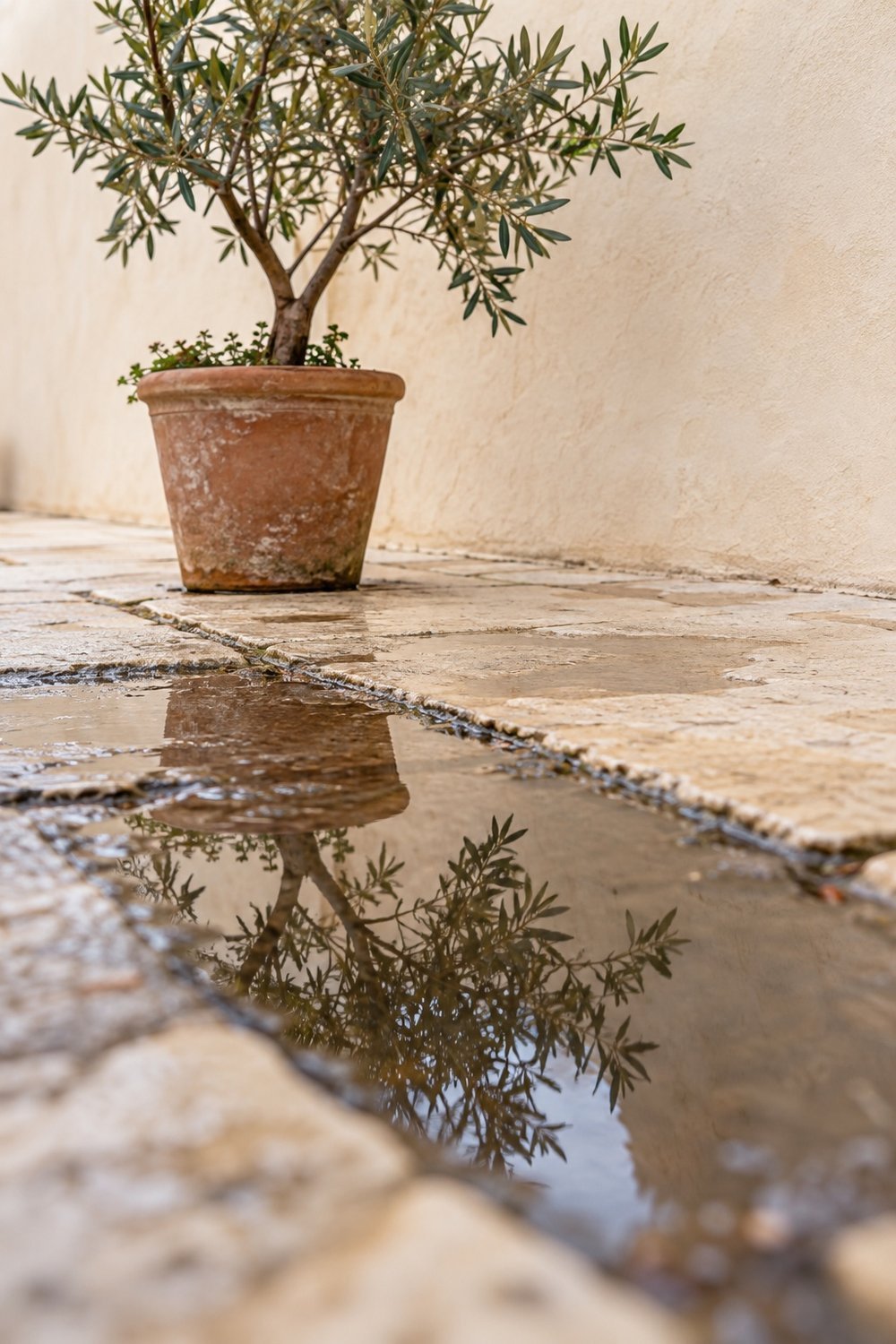
Choose a reflection with a shape you can recognize. A tree branch, window frame or plant gives you something to follow as you move the camera. Look for a surface where that shape stands apart from the other things reflected around it.
In its guide to reflection photography, Adobe describes reflections in water, windows and mirrors. That gives you several places to try. You can work with a reflection at home before looking for one on a walk.
Begin by deciding what interests you. It might be the curve of a branch or the way a pale wall appears in dark water. Keep that detail in mind while you frame the picture. You can leave out part of the surrounding scene if it doesn't help show your subject.
A small reflection can make a complete photograph. You don't need a lake or a mountain behind it. A puddle beside a quiet path may hold one branch and a patch of sky. Those shapes can fill the frame when you find the right position.
If you're learning the camera controls at the same time, spend a few minutes with your camera's first buttons and settings. Then try one subject that stays still, such as a plant reflected in a mirror.
Move Your Camera Before Changing the Scene
Try a few camera positions around the reflection. Watch the screen as you move a little left, right, higher or lower. Notice what enters the frame and what disappears. Your position helps decide which part of the surrounding scene the surface reflects toward you.
For a puddle, begin from the dry path beside it. Lower the camera while keeping your footing steady. You may find a clearer view of the branches when the camera sits closer to the ground. Stay where you can hold it securely and keep the device away from the water.
Take one picture before changing your position. Then move and take another. Comparing the two later helps you see what the change did. You might prefer the first view, especially if the second brings in a bright sky or a parked car.
Check whether your own reflection appears. In a mirror, you may want to include your hands and phone. For a picture about a plant or a room detail, move until your reflection leaves the part of the frame you're using.
The same search for a clear angle can help when you're taking phone pictures of fall leaves. A branch can look quite different when you move a few inches. In this case, you're watching its reflection as well as the branch itself.
Choose Both the Subject and Its Reflection, or the Reflection Alone
Frame the real subject and its reflection together when you want their relationship to be clear. A tree above a pond and the tree below it can give you a strong repeated shape. Check the line where the water meets the rest of the scene.
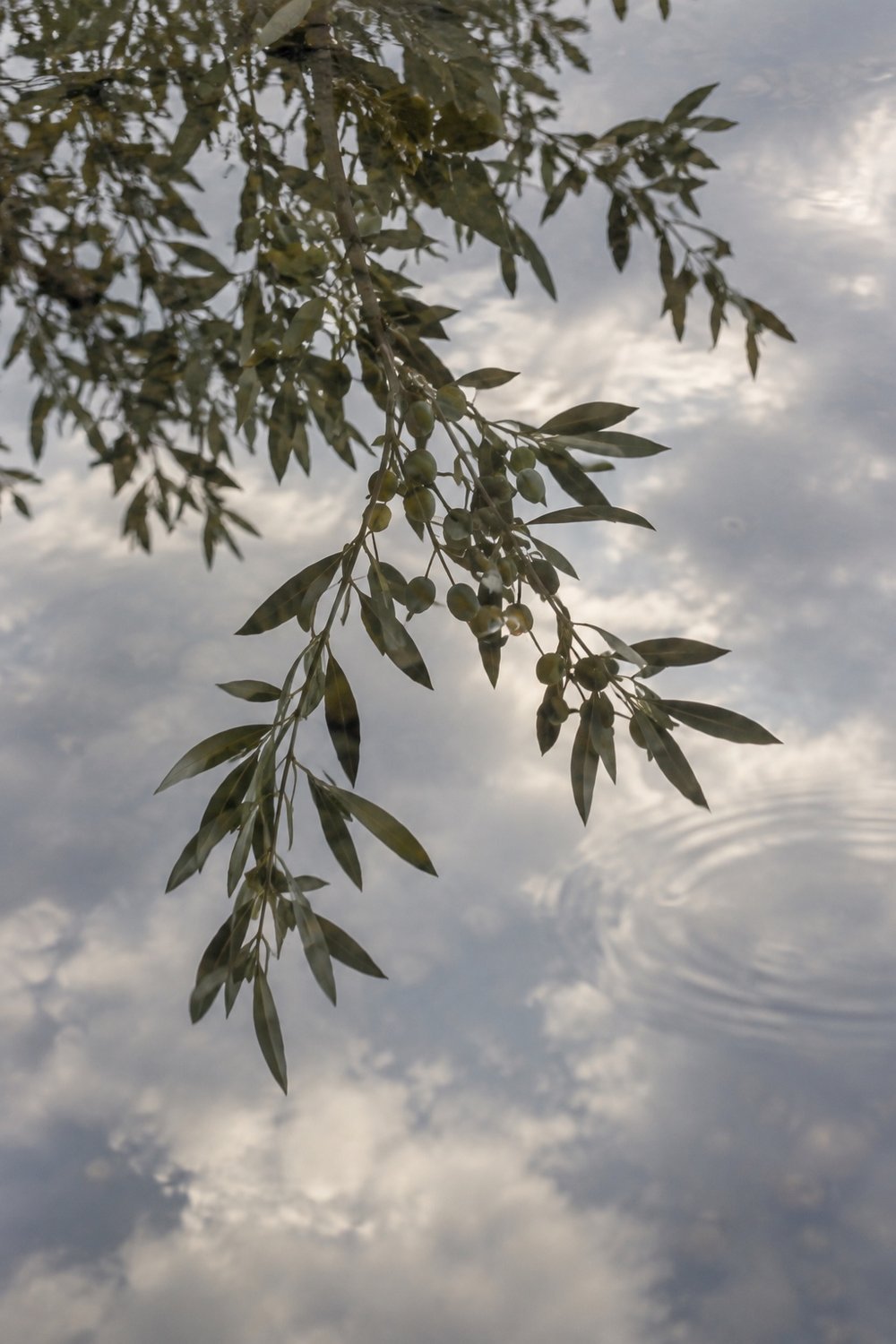
That line can sit near the middle when you're making a balanced picture. It can also sit higher or lower. Give more room to the part you like most, then look at the whole photo again. You can try several versions while keeping the subject in the same place.
For another picture, fill the frame with the reflection alone. Leave out the actual tree or window. A fallen leaf on the surface, the edge of a puddle or a ripple can help someone notice what they're seeing.
Keep a little breathing room around a reflected shape. A branch pressed against the border may look crowded. Move the camera or loosen the crop so its curve has room, especially when you want the shape to lead through the picture.
Look at the corners too. A bright patch in one corner can draw attention from your subject. You might change the frame slightly, wait for the light to change or choose another section of the surface. Try the change in the camera while you're still there.
Try a Window or Mirror at Home
Use a secure mirror to practice with a subject you can move. Place it on a stable surface, then choose a plant or another object that can appear in the reflection. Keep the mirror supported so it won't slide or tip as you work.
Move the object and camera separately. First leave the object still and change your angle. Then return the camera to your chosen spot and move the object. This lets you see which part of the picture each change affects.
A window gives you a different kind of scene because you may see through it and see a reflection at the same time. Start with a clear shape outside or inside, then look for an angle where that shape reads well. You may decide to include the layers rather than hide them.
Watch for things that drift into the reflection, such as a screen, bright lamp or another window. Turn off a nearby screen if it's in your own space and pulls attention from the subject. You can also shift your position to leave it out.
If a shop window catches your eye, take pictures only where photography is allowed. Stay clear of doors and people passing by. Keep your framing focused on the shapes you came to photograph, and ask before making a person the subject.
Look Closely at Focus and Light
Check the saved picture to see whether the reflected subject looks clear. The surface and the thing reflected in it can sit at different focus distances. If the camera chooses a mark on the glass, the reflected branch may look soft.
On a phone, try tapping the reflected shape you want to show. On a camera, use the focus controls your model provides. Enlarge the saved photo and inspect the part that matters. If the result stays soft, check for camera movement and try the view again from a steady position.
Notice the brightest part of the reflection. A patch of reflected sky can turn much brighter than a nearby wall. Use your camera's exposure controls to keep the detail you want, then review both the pale and dark parts of the picture.
Don't assume a polarizing filter will always help. Nikon's circular polarizer instructions explain how rotating the filter changes its effect on reflected light. If the reflection is the subject, a filter setting that reduces it can work against your plan. Compare the view while you adjust it, or begin without one.
For phone edits, keep any crop or color changes tied to what you liked in the scene. A pale wall should still look pale, and the reflection should remain readable. If you're 18 or older and want a preset option for Lightroom mobile, you can explore Brittley Mobile Presets for your phone photos and check the current details there. Editing can't bring back a reflected branch that was outside the frame when you took the photo.
Make a Small Set During One Walk
Try three different ways to show one reflection before you look for the next. Begin with a wider view that explains where it sits. A puddle, a strip of path and part of a tree can give that first photo its setting.
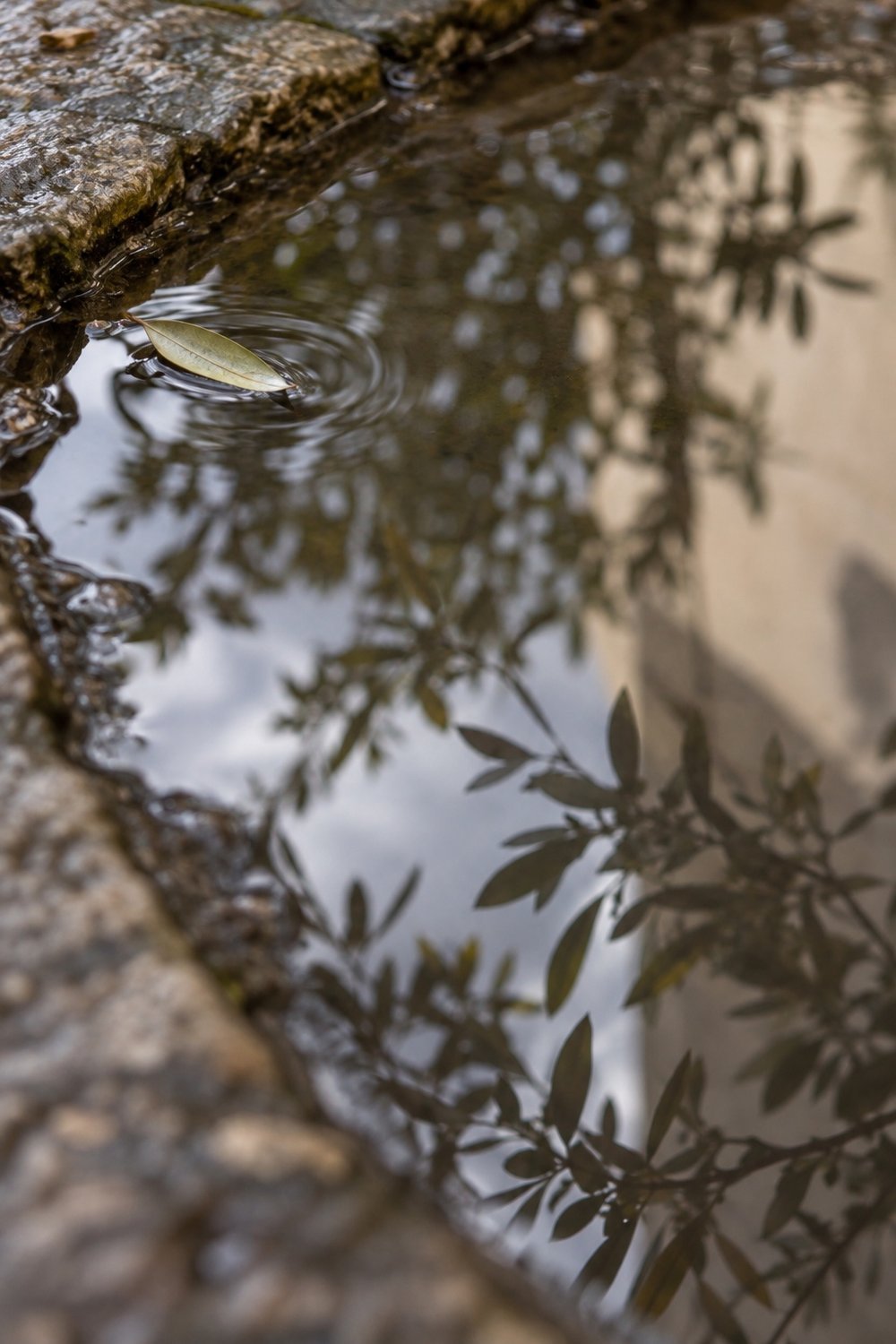
For the second picture, move closer to the reflection from a safe place. Give more of the frame to its shapes. You might include the edge of the puddle on one side and let the reflected branch fill the rest.
For the third picture, look for a small detail. A floating leaf or a ripple can become the main subject, with the reflection behind it. Wait and see whether the water changes before you take the photo. The same puddle can give you a different pattern a moment later.
Keep the pictures that show something different from one another. One can explain the place, one can show the reflected shape, and one can hold the detail you nearly walked past. You can compare their frames when you get home.
Try the mirror at home on another day. You can work with a plant, a pale wall and a small bit of window light. The camera's next view may be sitting on the table beside you.
You Might Also Like
Finding small details on a fall walk
Taking photos of a friend outdoors