If your saved fall weekend ideas include a market, a new coffee place, a leaf walk, and baking something from scratch, choosing what to do can take longer than you expected. Your weekend may also include a work shift, a paper to finish, and a pile of laundry. You can make room for fall without fitting every saved idea into two days.
Start with one plan you want to leave home for, one thing you would enjoy at home, and some time you have not promised to anyone. Choose around the hours, money, and energy you have this week. Then let the rest of the weekend take shape around those choices.
You might spend Saturday at a market with a friend. You might spend it reading after a late shift. Both give you something to look forward to.

Choosing the weekend's plans in a notebook over breakfast.
Choose fall weekend ideas for the week you have had

Writing a short plan on a note above the open notebook.
Before you look for more plans, think about what you missed during the week. If you spent most days indoors, you may want to get outside. If you have talked to people all day at work, a few quiet hours may sound better than another group plan.
Choose one thing you want more of: time with a friend, a change of scenery, a few hours at home, or a chance to make something. You can use that choice to sort through the ideas you already saved. A pumpkin patch may look fun, but you can keep it for a weekend when you feel like the drive.
Look at the time you truly have, too. If you work Saturday afternoon, plan for Saturday morning rather than treating the whole day as free. If a class project is due Monday, give it a place before you promise Sunday to someone else. Keep travel and getting-ready time in the plan.
When you want more options, choose a few from our fall activities that fit a smaller budget. You can keep the longer list for the season and pick only what fits this weekend.
Give one outing a place in the weekend

Coat in hand at the table, ready for the one outing.
Choose the outing you would most like to happen, then settle its few fixed details. Decide where you will go, who is coming, and when you need to leave. If the place needs tickets or a booking, check that before you build the day around it.
A leaf walk with a drink from home can be the whole outing. So can a library visit followed by a stop for bread. You do not need a second stop because the first one took less time than expected. You can sit a little longer, head home, or decide what you feel like doing next.
For a park visit, use the park's own page to check access and current conditions. The National Park Service's trip-planning guide for park visits includes weather, closures, and a backup plan among the things to check. A photo from last fall cannot tell you whether a path is open today.
If you are inviting a friend, make the plan clear enough to answer. Try, “Want to walk at the park Saturday at ten? I am bringing coffee from home.” You can agree on the length of the visit before either of you adds something else. That helps when one person has a shift later or needs time to study.
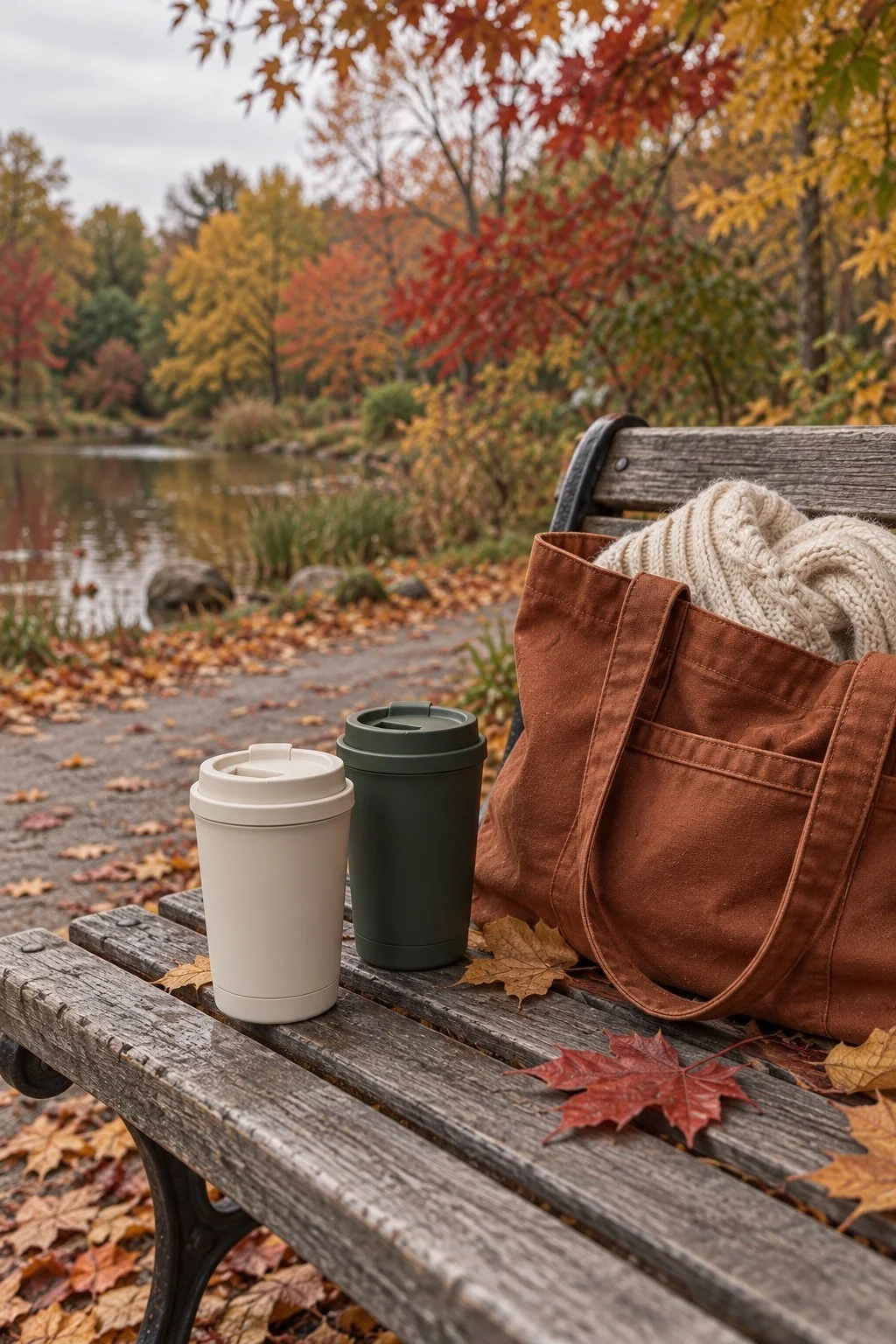
A walk and a bench stop can be the whole plan.
Set a spending limit before you choose the extras
Pick an amount you are comfortable spending on the weekend, then count the costs that come with each plan. A market may be free to enter, while parking, lunch, and a bag of apples still cost money. Decide which part you want to spend on before you arrive.

A market can be free to browse. Decide which part you’ll spend on before you go.
For example, you could bring breakfast from home and buy one drink while you are out. Or skip the coffee stop and save that money for ingredients to bake with a friend. A free weekend might mean a walk, a library book, and dinner made from food already in your kitchen. These are options, not current price claims or a budget you need to match.
The Consumer Financial Protection Bureau's worksheet for budgeting a day with a friend shows how to add up activity costs against a chosen limit. Its example prices are part of a teaching exercise. Check today's costs for the place you want to visit.
Tell your friend the limit before you agree to a plan. “I would love to come, but I am keeping this one free” gives them something clear to plan around. Our fall friend dates on a student budget has ideas you can choose together.
Keep one home plan ready for when you get back

A mug by the window during the part of the weekend left undecided.
Choose a home plan that needs little setup. That could be a book you already have, an episode of a familiar show, or a meal you know how to make. Put what you need where you can find it. You are more likely to open the book if it is beside your chair than under last week's mail.
Use the space you have. If you share a room, headphones and a clear part of your bed may be your reading spot. If your kitchen is small, choose a meal that uses one pot and a few bowls. A whole-room makeover does not need to become part of the afternoon.
Keep the cooking part within the kind of evening you want. If trying a new recipe sounds fun, give it time. If you mainly want dinner and a quiet night, make something familiar. You can save the recipe with twenty steps for another day.
When you want company, invite one friend to join the plan you were already making. You could eat together and read for a while after. Our ideas for a small soup night can help if you want to turn dinner into a shared evening. Keep the invitation small enough that you still want to do it when the day arrives.
Build a weekend plan with room between things
Use this as an example you can move around, rather than a timetable to follow. Friday evening holds dinner, a quick check of Saturday's weather, and a message to confirm the outing. If you are tired, leave the rest of Friday open. Preparing for a good weekend should not take the whole night.
On Saturday morning, have breakfast before you head out. Give your main outing the time it needs, including the trip there and back. Keep the afternoon open for lunch, a rest, or the work you already knew needed doing. If you still feel like making another plan, you can choose it then.
Saturday evening can hold your home plan. Read, cook, or have a friend over, depending on what you picked. If the morning outing ran long, shorten the evening plan. Eating the meal you made and leaving the baking for tomorrow is a reasonable change.
On Sunday, give one needed job a clear stopping point. You might wash the clothes you need for work, finish one part of an assignment, or buy food for the next few days. Then leave a stretch of time for something you enjoy. Decide when to stop looking for more tasks, so the free time stays free.
If you work weekends, move this shape to your days off. Your main outing might be a Tuesday walk after class. The point is to choose a few things that fit together, not to make your schedule look like someone else's Saturday.
Choose a rainy-day version before the forecast changes
A rainy-day plan works best when it is something you would enjoy on its own. If your first choice is an outdoor market, your backup could be a library visit and lunch at home. If you planned a picnic with a friend, ask whether they would like to bring their food over instead.
Keep the swap close in cost and effort. A free park walk does not need to become an expensive indoor day out. Reading at home or making a meal together can keep the part you wanted most, whether that was quiet time or seeing your friend.
Before you leave for an outdoor plan, check the forecast and the place's current notices again. If conditions do not fit the visit you planned, use your backup. You can choose a different day for the outdoor part. The time you spent planning still helped you find something you wanted to do.
You can also change the plan because your energy changed. After a long shift or a poor night's sleep, a shorter visit may fit better. Let anyone joining you know as soon as you can, and offer a clear new plan if you want to reschedule.
Leave one part of the weekend undecided
Keep a morning, an afternoon, or even an hour with no booking attached to it. You might use that space to stay longer with a friend. You might come home and find you want to finish a chapter. Having room to choose can be part of what you looked forward to.
If your weekend feels different from the one you pictured, pick the part you still want. You can keep the coffee, move the walk, and let the new recipe wait. There is no need to replace every canceled plan with another activity.
Before the weekend ends, notice one thing you would like to do again. Maybe it was taking breakfast slowly or seeing a friend before the day got busy. You can make room for that next time without rebuilding the whole plan.
You might also like
A quiet fall walk for your afternoon off
Three fall evenings to plan after work