You can make a crowded room work better without getting rid of everything. This guide helps you clear one surface, group what you use, and create homes for the items you need to keep.
Why is it different to declutter your room as a student?
Much of the usual advice starts with throwing things away. As a student, you may need to keep most of what you own. Your textbooks are required, your printer paper has a purpose, and your winter coat has nowhere else to live. You may also share the room.
You can change where things live and how easy they are to put back. Both can help in a small space where you need to keep what you have.
A tidy student room may still have a lot in it. Put the things you use most where you can reach them.
Start with the one surface you use most
Pick the desk, or the nightstand, or whatever the surface is that you sit down at every day, and clear only that. Do not open a drawer. Do not look at the closet. One surface.
A clear desk gives you a place to work, even while the rest of the room needs attention. Start there so you can use the space as soon as you finish.
Take everything off. Wipe it. Then put back only what you touch on a normal school day. Everything else goes into one pile on the floor to deal with next. If you have never had a system for the rest of it, organizing a dorm room so it stays that way is a reasonable next read, but you do not need it to get through today.
The piles, adjusted for a room you do not own
Four piles, and only one of them is a trash bag. Trash, belongs somewhere else in this room, belongs somewhere else entirely, and undecided.
Start with trash you know you can throw away: old receipts you no longer need, dead pens, and empty packaging. Use a separate spot for anything you need to check first.
Some clutter belongs in another part of the room. Chargers, hair ties, and the good scissors may already have a home. Put those things back before you change the whole setup.
Belongs somewhere else entirely is the plates, the borrowed hoodie, the library book, and the thing that belongs to your roommate. That pile leaves the room today, even if leaving means it sits by the door until your next trip out.
Put the undecided items in one box and write the date on it. At the end of the semester, look through the box again. Check school rules, return dates, and your own needs before you give anything away.
What to do about school stuff you are scared to throw away
Keep school papers you may need. You can photograph them and move the paper copies off your desk. This gives you a way to find them later without leaving them spread around the room.
Photograph papers such as your syllabus, graded rubric, and formula sheet. Save the images in one folder per class. Keep the paper copies together in an accordion folder or envelope. For a fuller setup, try keeping your syllabus and assignments organized in one place.
If you want to keep old notebooks, place them in a labeled bin. Leave your daily shelf space for the books and supplies you use now.
Try a clear space for your next study session
A crowded desk gives you more things to look at while you work. Princeton researcher Sabine Kastner studies how the brain pays attention, including how it handles competing sights.
In lab studies, objects shown together can compete for attention in the brain. That finding does not tell us exactly how a messy room affects every student. Clearing your work area is one change you can try and judge for yourself.
Before your next study session, clear enough space for your notes and the task in front of you. Notice whether it is easier to get started.
A bedroom that supports sleep is usually dark, quiet, and cool. These bedroom habits for better sleep can help you plan your space. If your bed also holds your books and laundry, clear it before you go to sleep.
Keep it from coming back without building a system
Put a small bin or tray by the door for things that do not have a home yet. Choose a time to empty it so it does not become another pile.
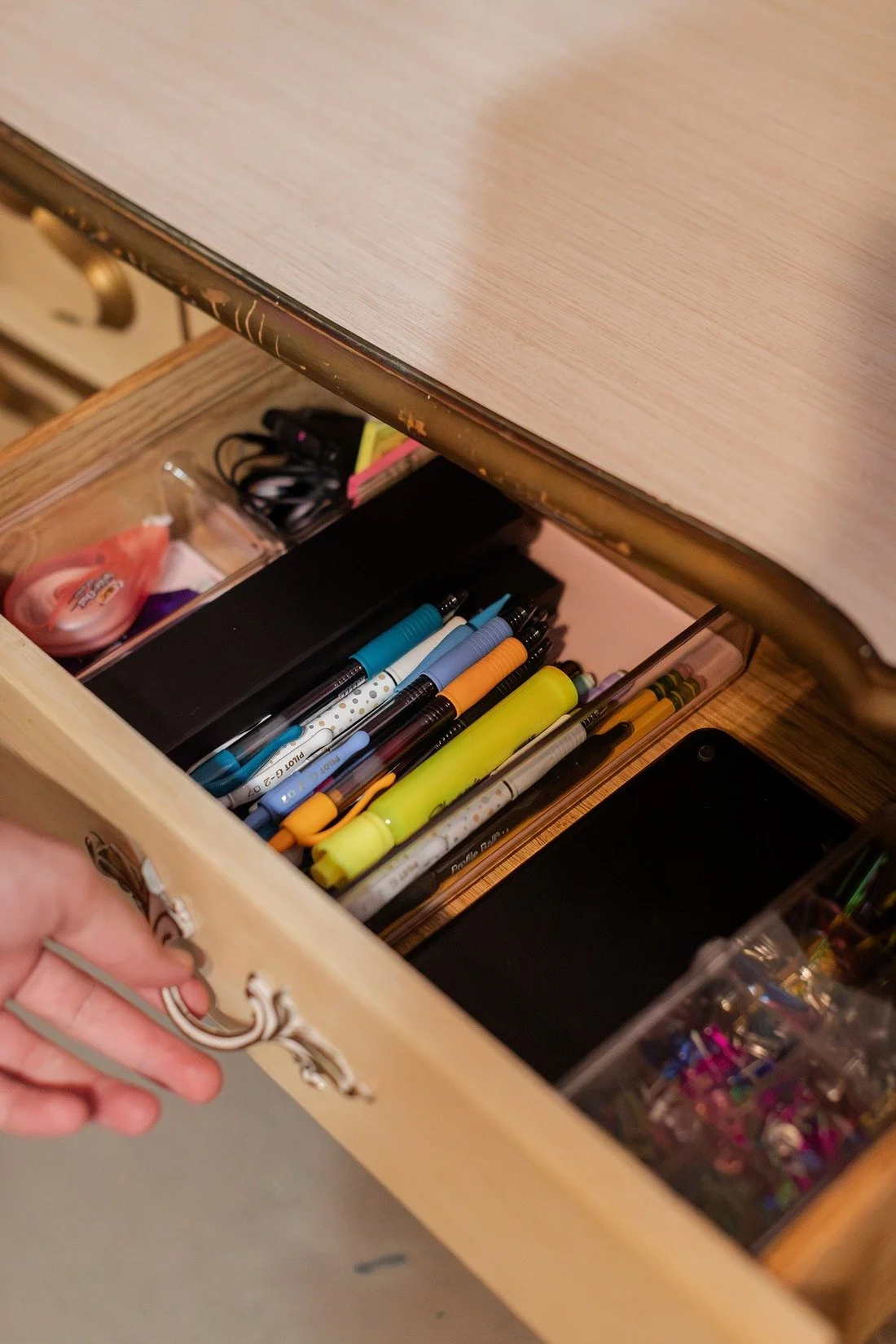
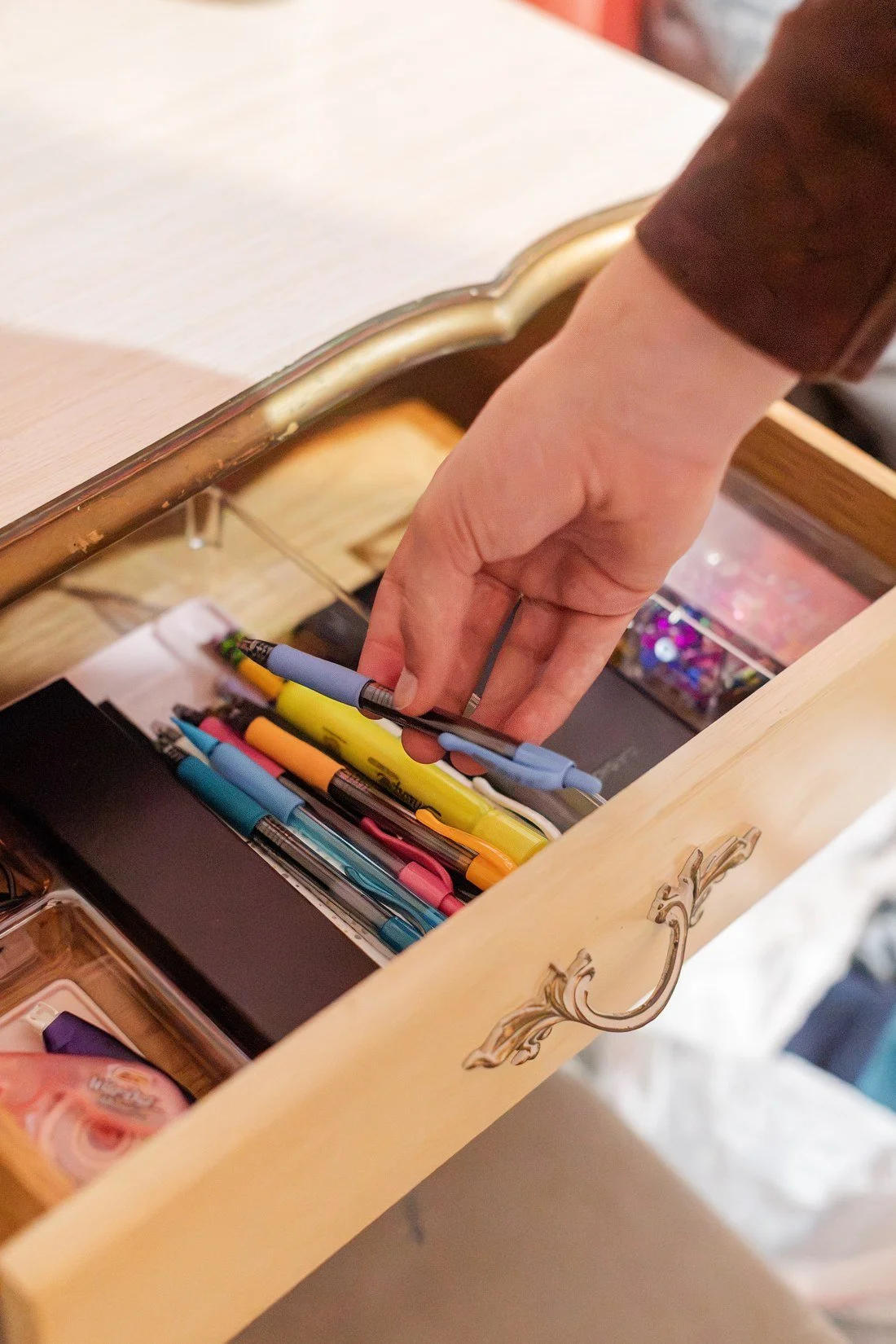
Pick one small habit for keeping the room usable. Clear the desk before you leave, put your bag in the same spot, or gather the trash once a week. You can also try organizing one drawer at your workspace.
The room will need another small reset as you use it. Aim for a setup you can put back during a busy week.
When it is a shared room and half the mess is not yours
Start with your own part of the room. Then ask your roommate about one shared spot that needs attention.
Keep the request small and specific. You might ask to keep the path between the beds clear or move bags away from the door. If you need help with the conversation, try these ways to set boundaries with your roommate.
If your roommate is not ready to change the shared space, you can still keep your own part usable.
Choose the surface you use most and give it fifteen minutes tonight. Clear a place for the next thing you need to do.
You might also like
Creating a study environment that helps you focus
How to sleep better in college when dorm life has other plans