Your keys have a spot. The grocery list already has the milk on it. Your friend knows you're free for coffee on Saturday. None of these things needs a whole Sunday afternoon, but each one is nice to have handled before you need it.
That's the kind of small habits we're talking about: ordinary things that help a day run a little more smoothly at home, on errands, and between plans. Some happen every day. Others happen when you finish a carton, open the mail, or get back from the store.
You might already do a few of them. For the rest, look for the one that solves a familiar little annoyance. A tray for the keys gets a strong vote if you've ever checked the same coat pocket three times.
Small habits for coming home and heading out
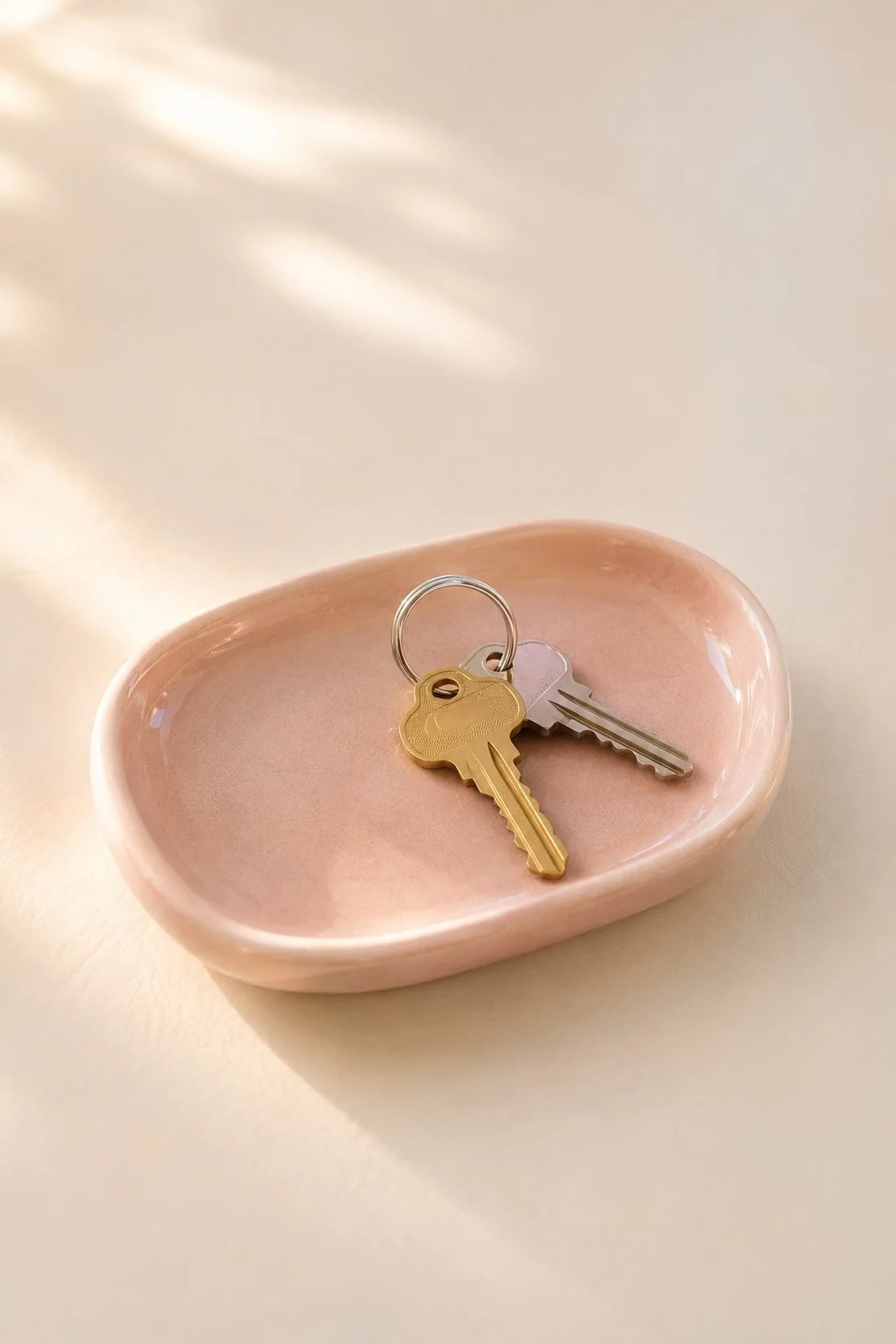
1. Give your keys one landing spot

A shallow dish, a hook, or one pocket in your bag can work. The useful part is choosing somewhere close to where you already put things down when you get home.
If you walk in carrying groceries, a jacket, and the mail, a tray on the surface you pass is easier to reach than a box inside a cabinet. If you live with other people, your own hook or bag pocket gives the keys a spot that doesn't get mixed up with everyone else's things.
The habit happens when you arrive: keys out, keys in their spot. You can keep sunglasses there too if you wear them most days, or give your glasses their own case beside the tray. A small dish doesn't need to become storage for everything you own. It has one excellent job already.
2. Put the reusable bag back after you unpack
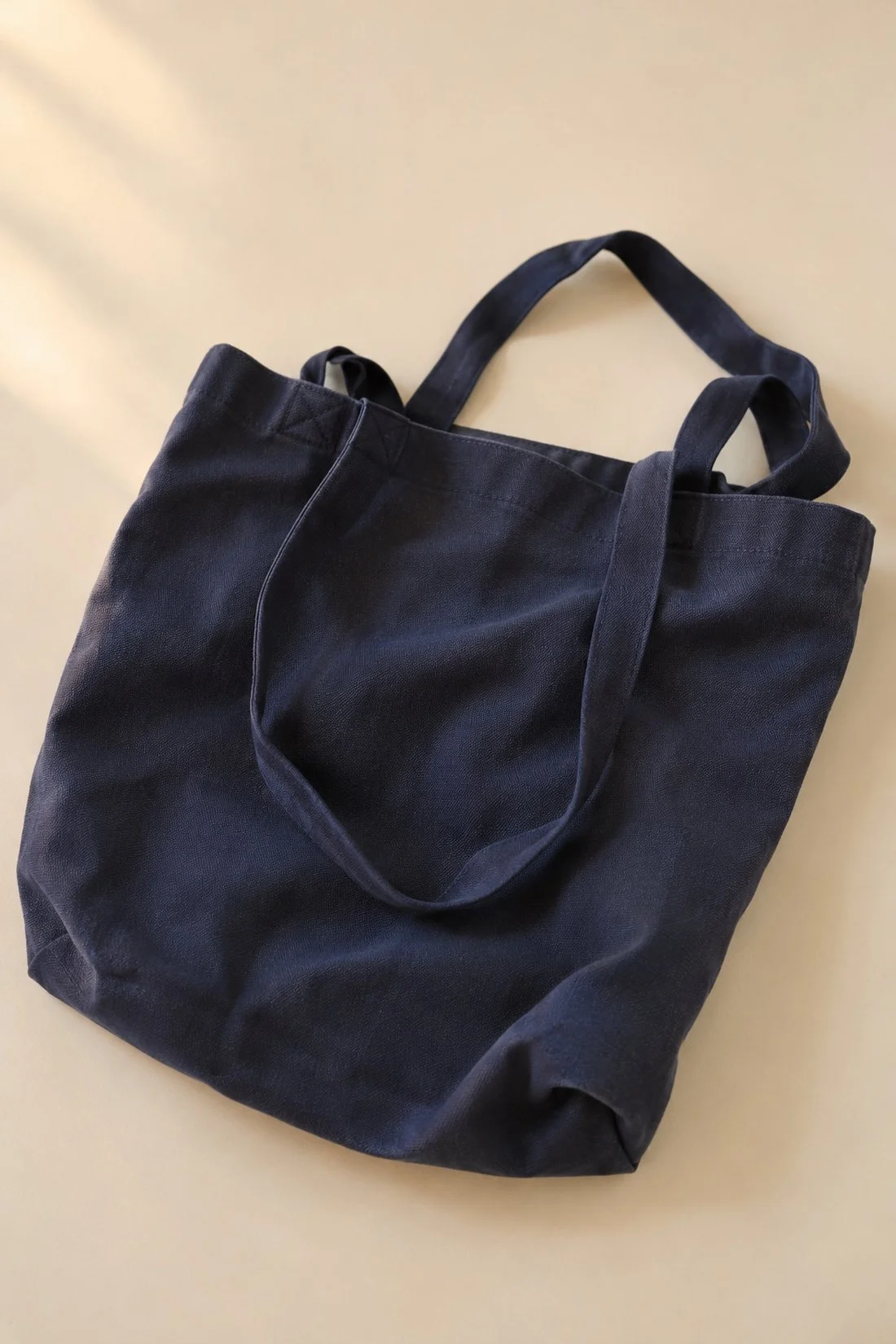
The grocery trip has a second ending: the bags going back where you'll grab them next time. After the food is away, fold the empty bags and return them to your usual tote, the entry hook, or the place you keep your shopping things.
For a walk to the store, one lightweight bag tucked into your everyday tote might be plenty. For a bigger shop, gather the bags together so you're picking up one bundle when you leave. Choose the amount you use rather than keeping a whole collection in rotation.
This also works for a library tote or the bag you take to return borrowed things. When the last item comes out, the bag goes back to its starting place. That familiar bag hanging by the door is a much better reminder than remembering it halfway down the grocery aisle.
3. Reset the pocket you use every day
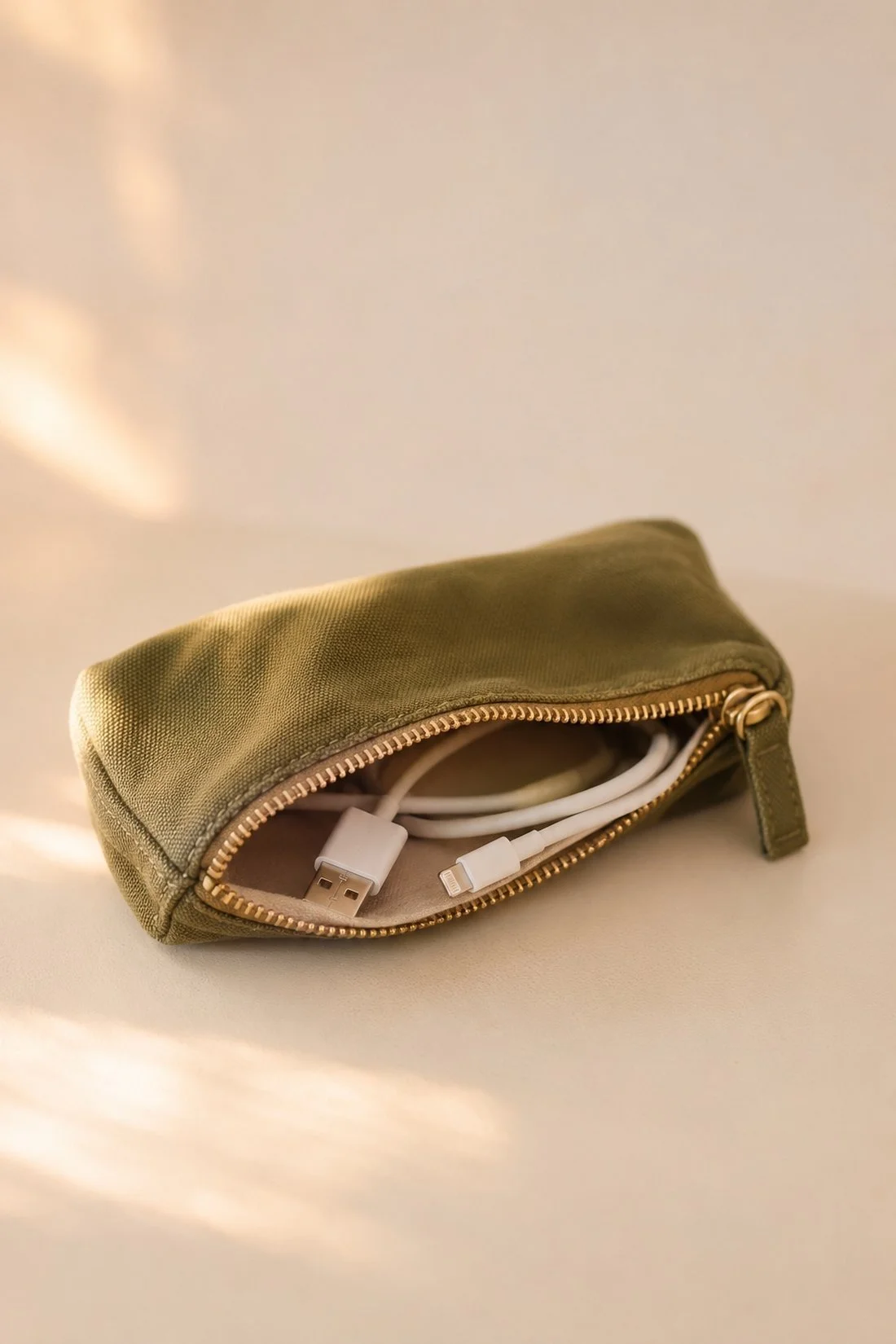
When you move your keys or put your bag down, take a quick look in its most-used pocket. A receipt can come out. A charging cable can go back in its pouch. The lip balm you moved to a jacket can return to the bag you'll carry tomorrow.
You're checking a few things you reach for often, so there's no need to empty every compartment onto the bed. The useful question is what you normally want from that pocket when you're standing at the checkout or leaving for the day.
Keep the arrangement easy to repeat. If your cable has a pouch, a loose coil that fits is enough. If your glasses have a case, leave the case where you'll reach for it. Giving these items a regular spot makes it easier to see what's there before you zip the bag.
Small habits for groceries and the kitchen
4. Add it to the list when you notice it
The moment you use the last of something is a good moment to add it to the grocery list. Milk, dish soap, olive oil: one running list can hold all three, even if they're in different aisles.
A phone note works well if you shop with your phone. A paper list can live where you notice what needs replacing, then come along to the store. In a shared home, a list everyone can reach means the person finishing the coffee can add it even when someone else does the shopping.
Before you leave, give the fridge and cupboards a quick look. The EPA's tips for planning a grocery shop recommend checking what you already have and buying for the meals you'll eat at home. A list that says “tomatoes for two lunches” gives you more to work with than “vegetables.” It also leaves room for the spinach that's already waiting in the fridge.
5. Return one kitchen item to a ready-to-use state
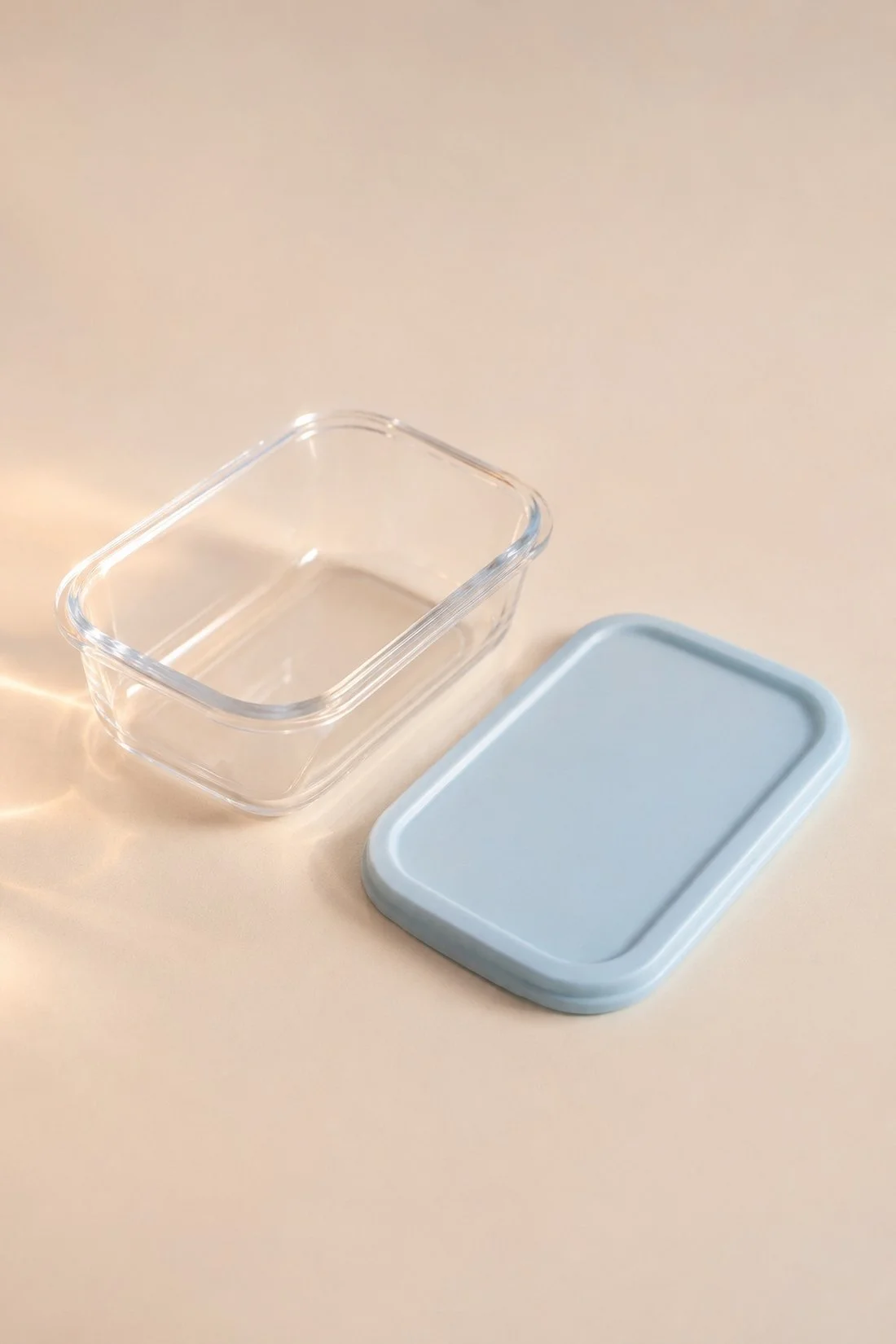
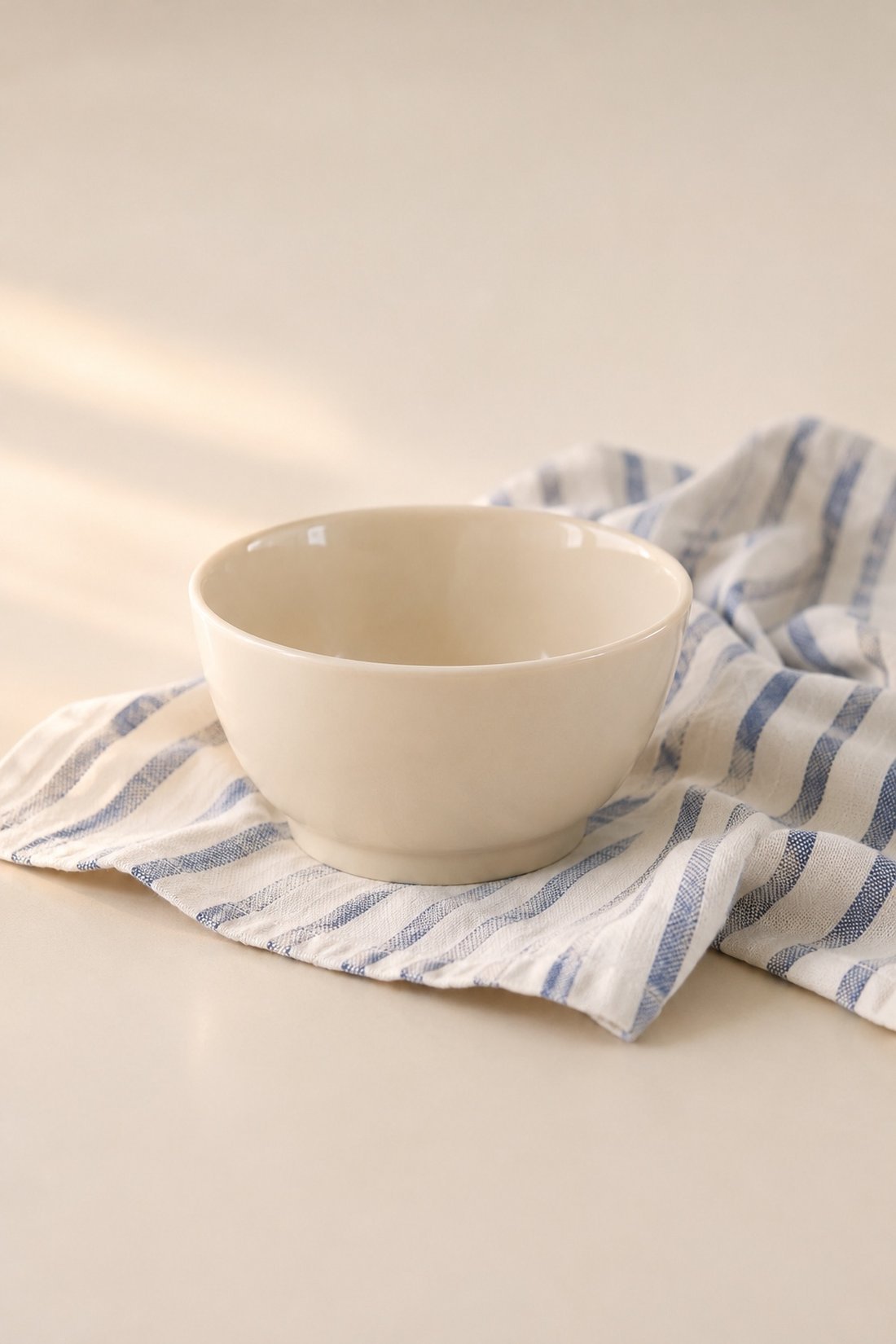
Choose something you use often: the lunch container, the bowl you have breakfast in, or your travel mug. When it's clean and dry, put it back with the piece it needs. A container and its matching lid are a particularly satisfying pair.
The repeatable part is finishing that one item's trip through the kitchen. For a container, that might mean washing it with the dinner dishes, letting it dry, then putting its lid beside it on the shelf. For a mug, it might be returning it to the same cupboard each evening.
This can stay small on a night when the rest of the kitchen is waiting. You still have the bowl or container you need in the morning. And if three nearly matching lids are currently living in three different drawers, getting one pair together is a useful place to begin.
Small habits for the little things that need a decision
6. Give incoming mail a place and a next step
Open the mail when you bring it in, if that fits your day. Recycle the ordinary unwanted inserts, put something you want to read where you'll read it, and give anything that needs a reply a place you can find again.
For an item with a date, put the date and the next step in your calendar. “Return form by Thursday” tells you more than “mail.” You can keep the paper in one folder or tray while you're waiting to deal with it.
If the kitchen counter is where the mail lands, keep the tray there rather than designing a whole new system across the room. The habit is noticing what came in and deciding where it goes. For the bigger picture, using a calendar for real-life plans can help you give those dates a place alongside appointments and other commitments.
7. Name the next errand while it's fresh
When you notice a small errand, write down what you'd need to do it. “Return library books” might get a note about the due date and where you've put the books. “Take donation bag” could include the drop-off place you already use.
Keep the details together so the errand is ready when a suitable trip comes up. A return parcel can sit with its label and receipt. Borrowed baking dishes can go together in one bag. You won't have to gather the same pieces again when you're ready to leave.
This doesn't mean every errand needs to happen today. A specific note lets you choose a time that makes sense. You can look at it when you're already planning a trip rather than trying to remember which cupboard held the thing you meant to bring.
Small habits for plans with friends
8. Offer one real option when you'd like to meet
“Coffee soon” is a nice thought. “I'm free Saturday morning if you want coffee” gives your friend something they can answer. When you think of someone you'd like to see, offer a day or an activity that fits the time you have.
The plan can be ordinary. A walk after dinner, a trip to the market, or an hour at home with tea all count as spending time together. If you're looking for ideas, these easy things to do with friends at home offer a few options that don't need much preparation.
Your friend might suggest another day, and you can work from there. When the plan is set, put it in the calendar with the place and time. The habit is giving a friendly thought a small, practical follow-through while you still have your phone in hand.
9. Put the next date in the calendar before you close the chat
A dinner invitation, a birthday plan, or a friend's visit can arrive in the middle of several other messages. When you've agreed on the details, add them to the calendar you check.
Include the useful bits: where you're meeting, what time, and anything you've agreed to bring. If you're bringing the serving bowl you lent a friend last month, that can go in the note too. Small details are easiest to add while they're still on the screen.
You can also add a reminder at a time when you can act on it. A note to bring the bowl is useful before you leave home. If you enjoy seeing different kinds of plans at a glance, a simple approach to calendar colors can help you choose a few colors you'll recognize without giving every errand its own shade.
Choose one small habit that has an obvious home
Look for a moment that already happens and put the new action beside it. After you unpack groceries, return the bags. When you use the last of the dish soap, add it to the list. When you confirm a plan, save its details.
In the University of Surrey's conversation with habit researcher Pippa Lally, she explains that a clear plan for when and where you'll do something is more useful than a vague intention. She also points out that the time a habit takes to form varies widely. There's no need to give the key tray a 21-day deadline.
Try the habit where you'd naturally use it. If the bags keep ending up on a chair, their storage spot may need to move closer to where you unpack. If a paper grocery list stays at home, a phone note might suit you better. You can change the setup as you see what works.
The nicest result may be a very ordinary one: tomorrow, you reach for your keys and they're there.
You Might Also Like
Making new friends after college